Journal
Practical guides on shopping smarter: where to find the best prices, how coupons and offers work, and how to tell a real deal from a fake one.
 Furniture financing and store credit offers: working out the true cost
Zero-percent and no-payment offers can help spread the cost of furniture, but fees, deferred interest and missed payments can change the picture. Learn to compare financing with paying cash or saving first.
 Five sale tags checked step by step: worked examples
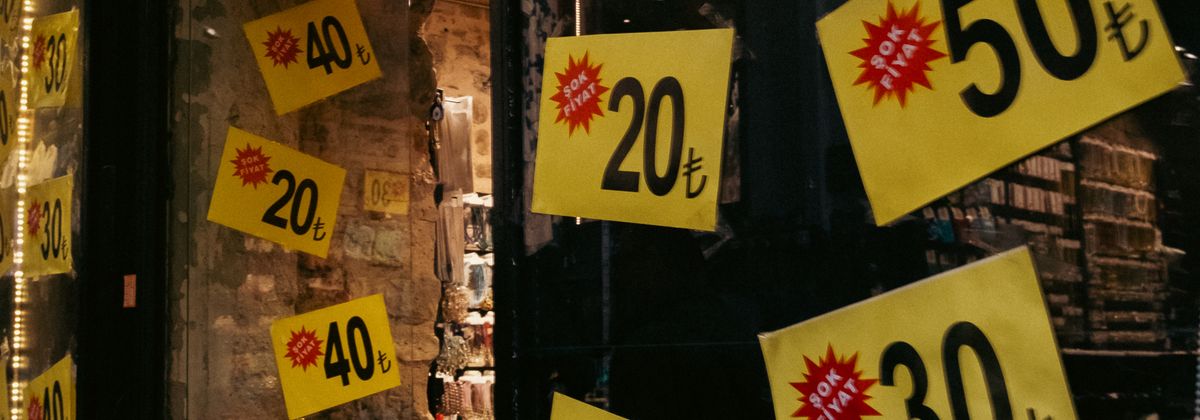
Five realistic-looking sale tags, each checked with simple arithmetic. See how to catch a mismatched percentage, a weak comparison, a tricky multi-buy and a shrunken pack.
 Choosing one store for the week: comparing flyers without driving everywhere
Chasing every sale across town can cost more in fuel and time than it saves. Use a short basket comparison to pick the best store for the week, and know when a second stop pays off.
Tablets and e-readers: how to match the device to the habit
Tablets and e-readers overlap, but they suit different habits. Learn how to choose by the way you read, watch, draw or work, and which features and accessories add to the price.
 Pet food costs: a cost-per-day comparison for dry, wet and fresh diets
Compare pet foods by the cost of feeding your animal for a day, not by the price of the bag or tin. A short method with worked arithmetic and tips for stocking up safely.
 Out of stock, backorders and preorders: what to know before you order
"Out of stock," "backorder" and "preorder" sound similar but mean different things for when you pay and when the item arrives. Learn how to read the labels and protect yourself from long waits.
 New Year sales: what actually goes on sale in January
January has its own pattern of sales, from winter clearance to home goods and fitness offers. See which categories tend to drop, which do not and how to plan a smaller, calmer round of shopping.
 How comparison shopping sites make money and what it means for the results
Price comparison sites are useful, but the order of results is not always purely by price. Learn common ways they earn money, how to spot paid placement and how to use them without being steered.
 Default options and "recommended" badges: how pre-selected choices steer you
The option that is already selected, or labelled recommended, is the one most people keep. Learn how defaults shape your order and a short routine for checking each pre-selected choice.
 What your library card unlocks: digital loans, passes and free classes
A library card often opens more than books. Learn the services many libraries offer, how to check what yours includes, and how to use them to cut spending on media, learning and outings.
 The sell, donate, keep sort for a move or downsize: a four-week plan
Every item you move costs money, time and space. This four-week plan helps you sort belongings into sell, donate, keep and recycle before a move, so you pay to move only what you will use.
 Specialty and international grocers: where fresh food can cost less
Independent and international grocers often sell some items for less than large supermarkets, especially produce, spices and staples. Learn how to compare fairly and shop respectfully.