Specialty and international grocers: where fresh food can cost less
By Today Offers Journal · Nov 12, 2026 · 5 min read
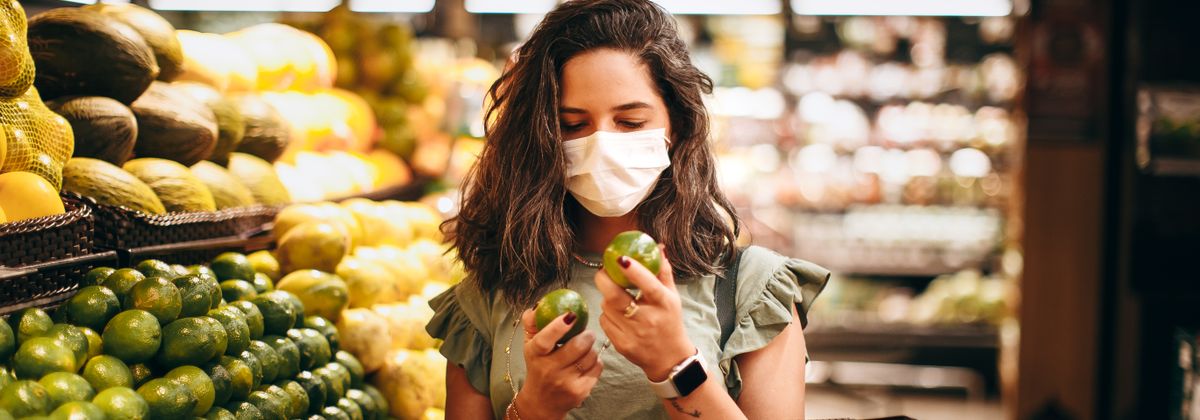
Independent and international grocers often sell some items for less than large supermarkets, especially produce, spices and staples. Learn how to compare fairly and shop respectfully.
Large supermarkets are convenient, but they are not always the cheapest place for every item. Independent and international grocers, including those focused on particular cuisines, often stock produce, spices, rice, noodles, legumes, fresh herbs and other staples that can cost less per kilogram. It is not a rule, since prices vary by neighbourhood, but it is worth a comparison trip. This article explains what to look for, how to compare and how to shop with courtesy.
Why prices can differ
There is no single reason, and you should not assume it. Possible factors include:
- Different supply chains. Some shops buy in larger volumes from wholesalers or import directly.
- Different stock choices. Items with high turnover in a community sell fast, so they stay fresh and can be priced competitively.
- Larger pack sizes. Rice, flour, lentils, spices and oil are often sold in big bags, which lowers the price per kilogram.
- Lower overheads in some independent shops.
- Different margins. Stores choose which items to price low to attract customers.
On the other hand, small shops may charge more for some items, such as pre-packaged goods, because of lower volumes.
Items often worth comparing
Treat these as ideas to check, not guarantees.
- Fresh produce, especially herbs, leafy greens, peppers, chillies, ginger, garlic and vegetables common in the cuisines the shop serves.
- Spices and dried herbs, often sold in bags rather than small jars.
- Rice, noodles, flour and legumes in large bags.
- Tinned and jarred staples, such as beans, tomatoes, coconut milk and sauces.
- Tofu, bread, flatbreads and tortillas.
- Meat and fish cuts that the shop specialises in.
Items that may be more expensive include brands marketed to mainstream customers, snacks and household goods.
A fair comparison method
You can test a shop in four steps.
- Pick ten items you buy every week, such as onions, carrots, rice, eggs, chicken, lentils and tomatoes.
- Write down your usual price for each at your regular store, per kilogram or per litre.
- Visit the other shop and note its unit prices for the same items.
- Add up the totals for the items you would buy there.
Remember to compare like for like. Check the quality of the produce and the date labels, and factor in the cost of getting there.
The mixed approach in the example is often the realistic one. You buy produce, rice and spices at one shop and dairy, meat or specials at another, based on your own comparison. That only works if the trip is practical.
Checking quality and freshness
Low prices are no use if the food does not last.
- Look at turnover. Busy shops tend to have fresher stock.
- Check dates and packaging, particularly on imported goods. Labels may be in other languages, so ask or use a translation app if needed.
- Inspect produce. Choose items with firm texture, good colour and no mould.
- Check weights. Some items are priced per piece or bunch, so weigh them or estimate the price per kilogram.
- Ask questions if you are unsure how to use an item. Staff are often happy to explain.
Shopping with respect
Many of these shops are small family businesses serving a community, and they welcome newcomers too.
- Be polite and patient, since the shop may be busy.
- Ask before taking photos.
- Respect local custom, such as payment methods and whether bargaining is welcome. In many shops, prices are fixed.
- Learn the names of ingredients, and ask what a product is if you are unsure.
- Buy what you came for, and also something new, if you like. Trying a new ingredient is part of the fun.
Practical points
- Payment. Some small shops prefer cash or have a minimum card spend. Check before you fill your basket.
- Opening hours. Hours may differ from big chains.
- Parking and transport. Include the trip cost in the comparison. Our guide on what a store trip really costs shows how.
- Flyers and offers. Many independent shops publish weekly specials, and you can look for them in local flyers and offers.
Make the trip count
Plan a combined route, as described in our article on combining errands, so that the cost of travel is shared across several purchases. Bring bags and a cooler bag if you plan to buy perishable food. Store bulk items properly when you get home, in airtight containers, to keep them fresh.
If you find a good shop, tell others in the community, so more neighbours can benefit.
Keep in mind that you do not need to switch stores entirely. Many households use a large supermarket for convenience, an international grocer for staples and produce and a market for seasonal items. Each has strengths, and the combined approach can lower the bill without taking much more time than a single store, if you plan the route.
Also keep an eye on pack sizes. A large bag of rice or lentils is a bargain only if you have a dry, airtight place to store it. Buy a size you can use within a few months, and pour it into a sealed container as soon as you get home. That keeps the food fresh and protects the saving.
Frequently asked questions
Are international grocery stores always cheaper?
No. They can be cheaper for certain items, such as produce, spices and staples, but not for everything. Compare a basket of items you actually buy.
How can I judge freshness in an unfamiliar shop?
Check the dates, the look and smell of produce and how quickly stock seems to sell. Busy shops generally rotate stock faster.
Is it fine to ask staff how to cook an ingredient?
Yes, most staff are glad to help, especially when the shop is quiet. A friendly question is welcome.
Ready to put this to use? Browse today's offers Share a deal you found
 A grocery savings plan: flyers, unit prices and loyalty offers
 When a loyalty program changes its rules: how to react without panic
 Slow cooker, rice cooker or air fryer: which small appliance pays for itself?