Journal
Practical guides on shopping smarter: where to find the best prices, how coupons and offers work, and how to tell a real deal from a fake one.
 Write your number first: setting your own price before you see the tag
The first price you see tends to colour every price after it. Learn a simple habit of deciding what an item is worth to you before you look, and how to use that number at the till.
 Blackout dates and booking windows: reading the limits on service vouchers
A voucher can be valid for a year and still be hard to use. Learn how blackout dates, booking windows and capacity limits shape what a deal is really worth.
 A five-minute method for checking whether a sale price is good
A simple five-step routine that takes about five minutes and tells you whether a sale price is genuinely good, using only a phone, a calculator and a few comparisons.
 Subscribe or buy once? Finding the break-even month
Many products now come in two versions: a small monthly fee or a bigger one-time price. Learn a simple break-even calculation and the questions that decide which version really costs less.
 The zero price effect: why "free" is so persuasive and what to check first
The word free can make a poor deal look excellent. Learn why zero feels special, where the cost hides, and a short test for deciding whether free is actually worth it.
Gift-with-purchase offers: the conditions that decide whether the gift is free
A free gift can be a nice extra or a reason to overspend. Learn what the terms usually require, what happens if you return the main item and how to value the gift honestly.
 Anchor prices: how a high number changes what feels cheap
The first price you see shapes how you judge every price after it. Learn how anchoring works in shops, how to spot it, and simple ways to keep your own sense of value.
 Bundle or singles? The "would I buy this anyway" test
A bundle is a good deal only on the parts you would have bought anyway. Use a simple line-by-line test to price a bundle against buying singles.
 Polite exit lines: how to pause a sales conversation without feeling rude
When a salesperson pushes for an answer today, a few calm sentences let you pause, ask for the offer in writing and leave without conflict. Learn the lines and when to use them.
Shipping conditions in the fine print: cutoffs, excluded regions and delivery estimates
Free or fast shipping often comes with conditions. Learn to spot cutoff times, excluded regions, item exceptions and the difference between an estimate and a guarantee.
 A lower price from an unfamiliar seller: how to put a price on the risk
The lowest price is not always the lowest cost. See a simple way to weigh a cheaper offer from an unfamiliar seller against a higher price from a seller with clear returns and support.
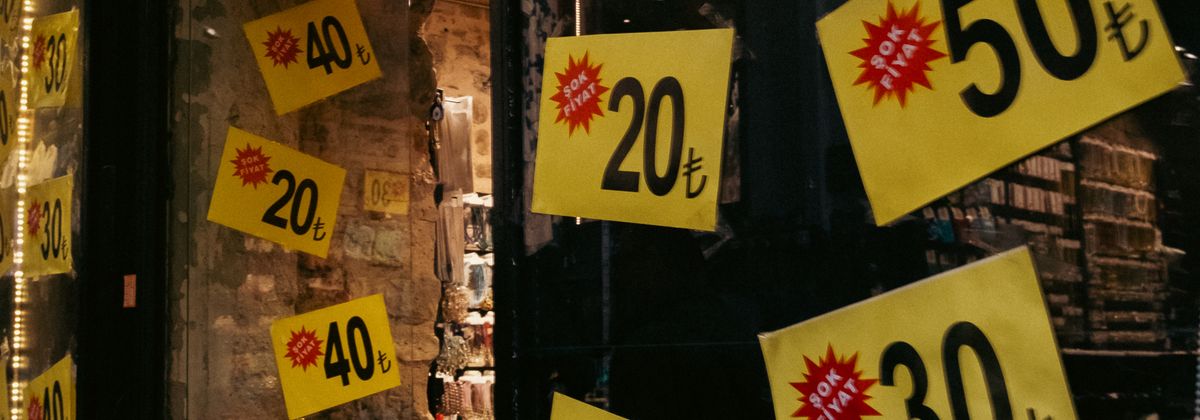 Reverse percentages: finding the original price from the sale price
Sometimes you only see the sale price and the percentage off. This guide shows how to work backwards to the original price, and why subtracting the percentage gets it wrong.