Year-round gift buying: how to collect good deals without clutter
By Today Offers Journal · Oct 28, 2026 · 5 min read
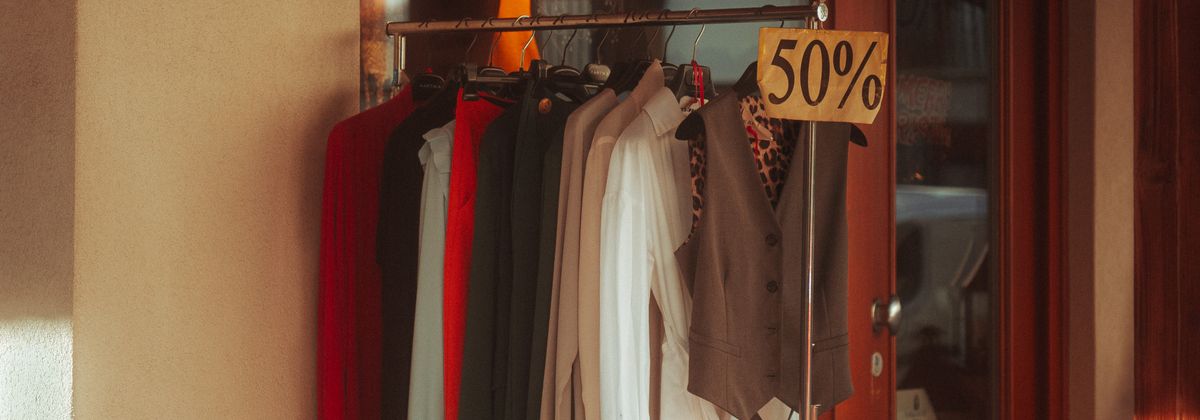
Buying gifts through the year lets you wait for good prices, but it can lead to clutter and forgotten purchases. Learn a tidy system for stocking up on gifts with purpose.
Buying a gift at the last minute usually means paying the price on the shelf. Buying one at the right moment, weeks or months ahead, can save money, but only if it is done with care. Without a plan, a gift stash becomes a pile of items nobody remembers, bought because they were cheap. The aim is to spread your gift buying across the year and still give people something they will like.
The case for buying ahead
Buying early has real advantages.
- You can wait for sales, instead of paying whatever is available the week before.
- You can spread the cost, so December or a birthday month does not break the budget.
- You avoid shipping fees and deadlines, since early orders can use slower, cheaper delivery.
- You think more about the person, which usually leads to a better gift.
It also has risks. Items can be forgotten, tastes can change, returns may no longer be possible and storage takes space. A good system manages these.
Step one: build a gift calendar
List the occasions you buy for in a year. Include birthdays, holidays, anniversaries, new babies, weddings and thank-yous. Write the date and person next to each, and add a rough budget.
- Make the list once, from your phone's calendar or a notebook.
- Sort by date, and note how many fall in each month.
- Mark busy months, such as when several birthdays cluster.
- Add a quiet buffer for surprises, like an invitation you did not expect.
This is a short exercise, but it often reveals how many gifts you really buy.
Step two: decide on a budget per person
A budget per person prevents accidental overspending. Choose amounts that match your finances and relationships, not an imaginary standard. Add the figures to get an annual total, and divide by twelve to see what to set aside each month. The article on sinking funds explains the method.
If the total shocks you, it is a sign to adjust. Many families agree on lower limits, group gifts or homemade presents. See the article on secret santa and group gifts for ways to set fair limits.
Step three: keep a person-by-person list
Under each name, write ideas you notice through the year, such as a hobby they mention, something they need or a size. Notice, and write down, what they said they like. Do this without any intention to buy yet.
When a good price turns up on something on the list, you can buy it with confidence. If it does not appear, you are not tempted by random bargains. This approach protects against the most common problem with early gift buying: purchases made because the price was low, not because the person would love the item.
Step four: only buy items that pass four tests
Before buying a gift early, check:
- Does it match a named person and occasion?
- Is the price at or below my target? Compare it with the usual price, not just the crossed-out one.
- Can I return it if needed? Check the window and whether it covers gifts. The article on return policies explains what to look for.
- Will it last until the occasion? Avoid items that spoil, expire or go out of style.
If an item fails any test, let it go.
Step five: store and track
A gift stash only helps if you can find it.
- Pick one spot, such as a box or a shelf, and keep gifts there.
- Keep a simple list with the item, person, price paid and where it came from.
- Keep the receipt in the same box or photograph it, in case you need a return or exchange.
- Label the box, so other household members do not use the items by accident.
- Review the stash every few months, and check that each item still suits its person.
Also write down the return deadline for each item, and check it before it passes. If you decide an item is wrong, you may still have time to return it.
What to buy early, and what to leave
Some gifts are good candidates for early buying: durable items, items whose prices fall at predictable times and items with a known recipient. Others are best left to the time: perishable gifts, experiences with dates, items that depend on current fashion and gifts for people whose tastes change quickly, like fast-growing children. Gift cards are flexible, but read the terms and see the article on gift cards before buying.
Watch for clutter
If your stash is growing faster than your gift list, stop. Ask whether you are buying for people or for the pleasure of a bargain. A good rule: the stash should shrink to near zero after each occasion. If it does not, you are overbuying.
You can check seasonal and local offers when planning, and the community is a place to ask what other people have found useful as gifts.
A gift bought early, on purpose, at a fair price, is a pleasure for both people. A pile of bargains is just a pile.
Frequently asked questions
Is it really cheaper to buy gifts early?
It can be, if you wait for fair prices and only buy for named people. It is not cheaper if the bargains lead to extra gifts or forgotten items.
What should I do if I forget what I bought?
Keep a simple list with the item, person and price, and store everything in one place. Review it every few months.
Can I return a gift I bought months ago?
Often not, because return windows are limited. Check the policy at purchase and note the deadline so you can act before it passes.
Ready to put this to use? Browse today's offers Share a deal you found
 Price matching and price adjustments: how to get the lower price after you find it
 How to use price history and alerts to buy at the right time
 When to stop looking: the time cost of deal hunting