Virtual and single-use card numbers: when they protect your checkout
By Today Offers Journal · Sep 17, 2026 · 5 min read
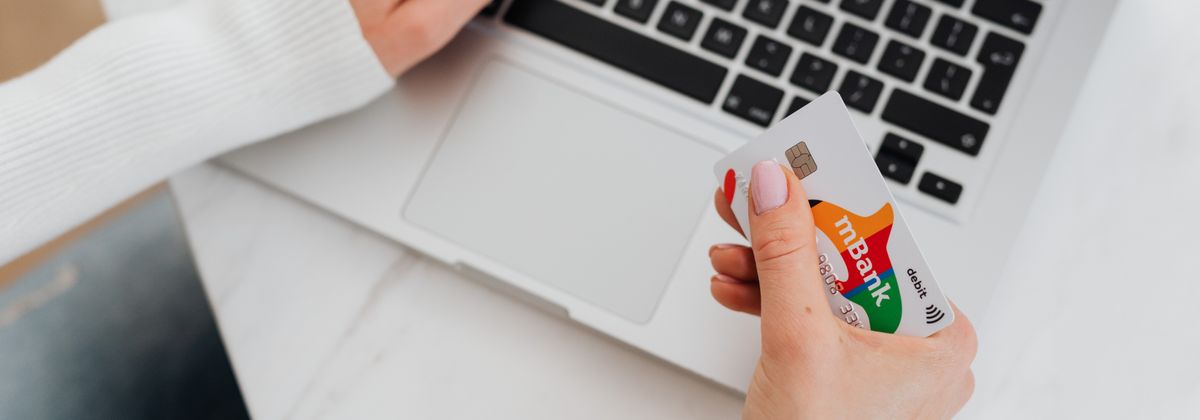
A virtual card number stands in for your real card at one store, so a breach there does not expose the card itself. Learn how they work, when to use them and what they cannot do.
Every time you enter your card number at a new store, you trust that store to keep it safe. Most do. A few do not, and some small shops use systems that were never built well. A virtual card number reduces that trust you have to extend, by giving the store a stand-in number instead of the real one.
This article explains what they are, how to use them, and where they fall short.
What a virtual card number is
A virtual card is a separate card number, with its own expiry date and security code, linked to your real account. It exists mainly online. When you pay with it, the funds come from your usual account or credit line, but the store never sees your actual card number.
Depending on your bank, card provider or payment wallet, there are a few styles.
- Single-use numbers. Created for one purchase and then useless. Even if the number leaks, nothing more can be charged.
- Merchant-locked numbers. Linked to one store, so they only work there. Useful for stores where you shop regularly.
- Limit-set numbers. You choose a spending cap or an expiry, which makes them good for trials or subscriptions.
- Wallet tokens. Some payment wallets store a device-specific number instead of your real card. That works in a similar way, even though you may never see the number.
Not every bank or provider offers all of these, and the names differ. Check what your own provider offers and read their terms.
Why they help
Most card problems for shoppers fall into three groups, and virtual numbers address each.
- A store is breached. The leaked number is a virtual one that is already locked, limited or expired.
- A store charges more than expected. A cap stops a surprise charge from going through.
- A free trial turns into a paid subscription. A single-use number or a card with a tiny limit means the second charge fails.
When a real card is exposed, you usually have to cancel and replace it, which interrupts all the bills and subscriptions attached to it. With a virtual number, you can cancel the one number and carry on.
When they are most useful
- A store you do not know. If you are trying a new retailer, a single-use number limits the exposure while you see how it behaves.
- Free trials. Create a number with a low limit or a short life, and note the date the trial ends. Check the store's cancellation rules as well, since a blocked card does not always cancel an agreement.
- Subscriptions you may want to leave. A merchant-locked number lets you stop charges from one provider at any time.
- Shared devices. If a family member or a roommate also uses a device, a limited number reduces what can go wrong.
- Marketplace purchases from individuals. Where you do pay through a platform, a one-time number is one more layer.
When they are less useful
Virtual numbers are not right for everything.
- Hotel, car rental and some in-person pickups. These may want to see the physical card that was used to book. A virtual number might not match, so check before relying on it.
- Returns and refunds. Refunds usually go back to the original payment method. If a single-use number has expired, the refund may take extra steps or go elsewhere. Ask your provider how it handles refunds before you use one for something you might return.
- Deposits and pre-authorisations. Some stores place a hold and then charge later. A number that closes straight after the first charge can cause a problem.
- Loyalty points or card benefits. Check that purchases made with virtual numbers still earn the same rewards and carry the same purchase protection as your main card.
How to set one up
- Find the option. Look in your banking app, your card provider's site or your payment wallet. Search for "virtual card", "temporary card number" or "digital card".
- Choose the type. Single-use for a one-off, merchant-locked for a store you will use again, capped for a trial.
- Set a limit and expiry that fits the purchase. Leave a little headroom for tax and shipping.
- Copy the details into the checkout. Save them in a safe note only if you may need them again.
- Record the purchase in your order notes with the number type, so you remember it later if you need to dispute something.
Staying protected
A virtual card is a payment tool, not a trust badge. It does not tell you the store is honest. If you pay a fake shop with a virtual number, the shop still has your money. Keep using the usual checks on the seller, and keep the receipt.
Also remember that some fraud involves the information a store collects beyond payment, such as your address and phone number. Virtual cards do nothing for that. Consider whether the store really needs it, a topic covered in our guide to what a checkout form really needs.
If you want a place to ask about experiences with a type of card or a store's payment methods, try the community.
Frequently asked questions
Are virtual card numbers the same as a prepaid card?
No. A virtual number is linked to your existing account and spends from it. A prepaid card holds a loaded balance. Both can limit exposure, but they work and are protected differently, so check the terms of each.
Do virtual cards cost extra?
It depends on your provider. Some include them at no charge and others do not offer them. Check your own provider's fees and terms.
Can I still dispute a charge on a virtual card?
Usually you can raise a dispute with your provider as with a normal card, but rules vary. Check the terms and keep your order records.
What happens if I cancel a virtual number but the store still bills me?
The charge should be declined, but you may still owe the store under its terms. Cancel through the store as well and keep proof.
Ready to put this to use? Browse today's offers Share a deal you found
 The smart way to shop online: a checklist before you click buy
 Remote-area, oversize and fuel surcharges: the shipping extras that appear late