The best days and hours to shop in store, and how to check yours
By Today Offers Journal · Sep 7, 2026 · 5 min read
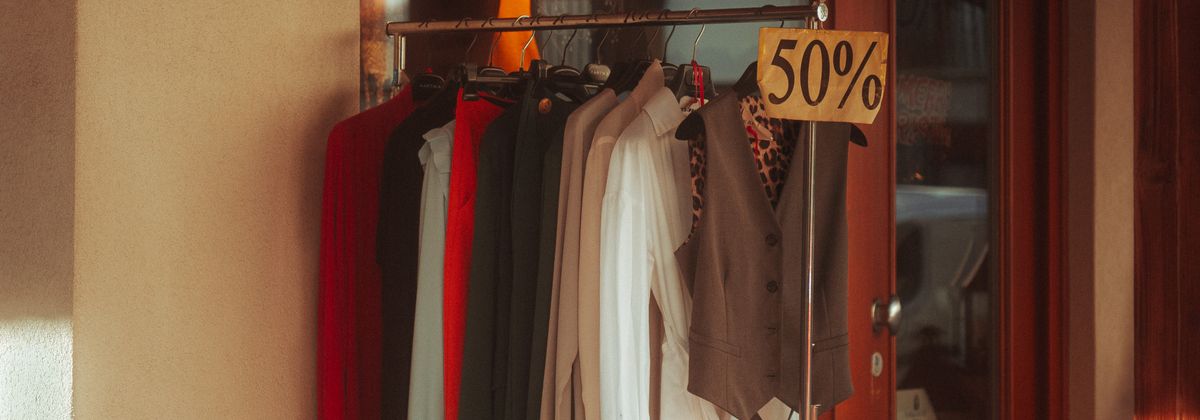
There is no single best day to shop, but there are patterns worth testing. Learn what to look for, what to ask staff and how to run a simple two-week experiment at your own store.
Advice about the "best day to shop" usually comes with a confident answer. In practice, the best time depends on your store, your city and what you are buying. What you can do is learn the common patterns, test them where you live and pick a rhythm that suits your schedule.
Why timing matters at all
Timing can affect four things:
- Crowds. Quiet periods mean shorter lines, easier parking and more time to compare prices.
- Stock. Popular items run low late in a promotion week and are restocked on delivery days.
- Prices. Weekly promotions start and end on set days, and markdowns on perishables often happen late in the day.
- Staff availability. When the store is calm, staff have more time to answer questions or check for a better price.
None of these is guaranteed. They are tendencies that you can verify.
The usual weekly pattern
Many stores run weekly promotions that begin on a particular day and last about a week. Early in the cycle, shelves are full and deals are fresh. Late in the cycle, popular promoted items may be gone. If a deal matters to you, going early is safer. If you are flexible, going mid-week often means fewer shoppers.
Weekends tend to be busy in most places, especially late morning and early afternoon. Evenings after typical work hours are another common peak. Early mornings and mid-afternoons on weekdays are often calmer, although this changes with local routines, school terms and nearby workplaces.
Delivery and restocking
Stores receive deliveries on a schedule, and shelves are usually restocked soon after. If you want the widest choice of fresh products, a visit after restocking is better. If you want the lowest price on short-dated items, a visit later in the day may be better, because stores may reduce prices on items nearing their date. Both are common, neither is universal, and staff are the best source of local information.
Ask staff, politely
The simplest way to learn your store's rhythm is to ask. A few questions that staff often answer happily:
- "What day does the new flyer start here?"
- "When do you usually restock this section?"
- "Do you mark down items close to their date, and roughly when?"
- "When is it usually quietest?"
Be understanding if they cannot give exact times. Some stores avoid promising markdown times because they vary day to day.
Run a two-week experiment
You can find your own best times without relying on general claims. Choose a store you visit regularly and a few items you buy often. Over two weeks, visit at two different times and note what you see.
Record these things on each visit:
- Total minutes from parking to leaving.
- Whether your promoted items were in stock.
- Whether you saw any reduced items and what they were.
- How rushed or relaxed you felt, since stress leads to impulse buys.
After two weeks you will have a small data set. If the quiet slot saves 20 minutes and you value your time, you have your answer.
Weigh the price of your time and your travel
A calm time slot is only worth it if it does not cost more elsewhere. If the quiet slot means taking time off work, or driving at a more expensive hour, the saving may disappear. A parking meter, a toll or a longer trip because you went to a different location all count. Add the extras to your trip total, then compare.
If you shop for a family, include the logistics. A quiet weekday morning may be perfect for one adult and impossible for another. A trip with small children might work best right after a nap or a meal, whatever the crowds are doing.
Special cases to remember
- Holidays and events. Pay day, long weekends, school breaks and local events can shift the busy times. Expect the day before a holiday to be crowded.
- Weather. Rain or snow can send more people to indoor shops at once.
- Limited-time sales. Door-opening deals often run out early. If the item matters, arrive at the start.
- Accessibility. Some stores offer quieter hours for shoppers who find crowds difficult. Ask the store whether it has such a period.
Reading the results
When you review your notes, look for differences big enough to matter. A gap of two or three minutes is noise: queues and parking vary from day to day. A gap of fifteen minutes, or a promoted item that was missing on one visit but present on another, is a pattern. Repeat a promising slot at least twice before you rely on it, because a single quiet Tuesday can be a coincidence. Keep the notes short, a few words per visit, so that the habit survives past the second week.
Build a rhythm, not a rule
Rather than searching for one perfect time, build a routine that works for your week. Perhaps you plan on the weekend, do the main shop on a calm weekday and use a short top-up trip for perishables. Then adjust. If your store changes its flyer day, your rhythm changes too.
You can also ask other shoppers in your area. The community is a good place to compare notes on when local stores are calm or when new markdowns show up.
Frequently asked questions
Is there a day that is always cheapest for groceries?
No. Promotion cycles differ by store and by country. Check the flyer start day for your store and watch what happens over a few weeks.
Are late-day markdowns guaranteed?
No. Some stores reduce items near their date, but timing and selection vary, and not every store does it. Staff can tell you what happens locally.
Is shopping at quiet times safer for budgets?
Often yes, because you feel less rushed and can compare prices. It helps only if you also bring a list and a limit.
Ready to put this to use? Browse today's offers Share a deal you found
 In-store shopping tips that actually save money
 Buying gift cards from small shops: helping a business without taking on risk
 A category-by-category markdown calendar: when each aisle tends to get cheaper