Shop local this season: how to find and support nearby businesses
By Today Offers Journal · Oct 30, 2026 · 5 min read
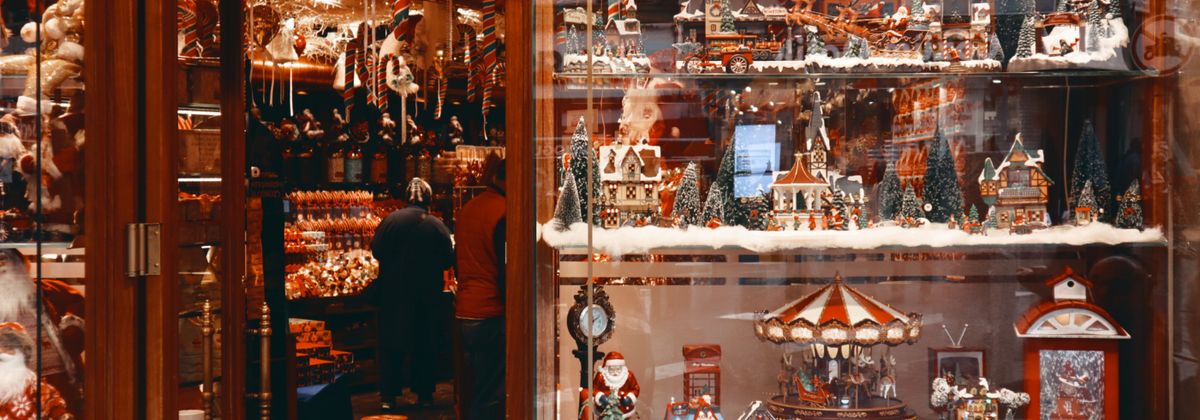
Local shops can offer good gifts, useful service and their own seasonal offers. Learn how to find them, compare prices fairly, use local deals and keep your spending within budget.
Large retailers and online marketplaces dominate sale season advertising, but local shops are part of the picture too. Independent bookshops, bakeries, hardware stores, craft markets and neighbourhood boutiques often have gifts and seasonal goods that you will not find elsewhere. Shopping locally can also keep money circulating in your community and give you service that is hard to get online.
This article is practical rather than sentimental. Local shopping works best when it also fits your budget, so it covers how to find businesses, compare prices honestly and use local offers.
What local shops are good at
Different businesses have different strengths. Local shops often offer:
- Unusual or handmade items. Good for gifts that are not found everywhere.
- Personal service. Staff can help you choose, wrap a gift and answer questions.
- Convenience. Items are available the same day, with no shipping delays.
- Flexibility. Some will take special orders, offer custom gifts or accept local gift certificates.
- Local knowledge. They may know which products suit your area's weather and needs.
They are not always cheapest, and they cannot match every large-store sale. The goal is to use them where they add value.
Where to find nearby businesses
Finding them takes a little effort.
- Walk or drive through a nearby shopping street. Many shops have window displays and posted offers.
- Check local noticeboards and market listings. Seasonal markets and craft fairs often advertise in community spaces.
- Browse local offers and flyers. Many businesses post seasonal deals and event details.
- Follow local businesses online. Many post about new stock, sale days and opening hours. See our guide to following local businesses on social platforms.
- Ask neighbours. The community is a good place to ask for recommendations.
- Look for business associations. Districts and malls sometimes run joint promotions, passports or draws during the season.
Compare prices fairly
Local shopping should not mean paying whatever is asked. Use the same comparison habits that you use anywhere.
- Compare the total price, including tax, delivery and any assembly or wrapping.
- Check product details. A local shop may carry different models, so compare the specifications rather than the name.
- Ask about price matching. Some independent shops will match or come close. Others will not. There is no harm in asking politely.
- Consider value beyond price. Service, warranty handling, returns and the time you save have worth.
In this example, the local shop costs a little more than the chain store but includes wrapping and avoids shipping. Whether the extra $2 is worth it depends on you. Many people are happy to pay a small difference for service and a gift ready to give. Others prefer the cheapest option. Both are reasonable.
Use local offers and gift certificates
Many local shops run small promotions, such as a discount for early shoppers, a bundle price or a loyalty stamp. Ask at the counter whether there are any current offers. Local gift certificates can be a good gift if the recipient likes the shop, but check the expiry date and what happens if the business closes. See our guide to gift cards for the questions to ask.
Some districts run shared gift cards that work at several businesses. Check the terms and the list of participating shops before you buy.
Keep it within the budget
It is easy to overspend when a shopping street is full of lovely things. Protect your plan.
- Bring a list and a limit. Know what you want and the most you will spend.
- Pay with a method you can track. Cash from an envelope or a single card limits surprises.
- Resist the add-ons. Small extras at the counter can add up.
- Ask about returns before paying. Many small shops have their own policies, and some do not accept returns on sale items.
- Keep receipts. You may need them for exchanges.
If a purchase is above your budget, put it on hold if the shop allows it, and think it over before you commit.
Supporting businesses without overspending
Support does not have to mean large purchases. You can help by:
- Buying a few small items rather than nothing.
- Telling friends about places you like.
- Leaving an honest review if you have a good experience.
- Following their updates, so you know when sales and events happen.
- Paying promptly and politely, which helps small businesses with cash flow.
- Shopping at quieter times, when staff can give you attention.
Tips for markets and craft fairs
Seasonal markets are a good source of handmade goods.
- Bring cash and a card. Not every stall takes cards, and some accept only certain methods.
- Check opening hours. Some are open only for a few days.
- Ask about the materials and care of handmade items.
- Compare stalls before buying.
- Be polite about prices. Handmade goods take time to make, and bargaining is not always expected. Follow the local custom.
A simple local shopping plan
If you want to shop locally without losing control of the budget, give it a defined share. For example, decide that three gifts on your list will come from nearby shops and set an amount for each. Visit on a weekday morning, when shops are quieter and staff have time to help. Take your list with the recipients' interests written beside each name so that the shop can suggest ideas within your limit. Keep a note of the businesses you liked, with their opening hours, and share it with friends. That small habit helps both the shops and your own planning next year.
Summary
Local shops offer variety, service and convenience, and they can fit a careful budget if you plan. Find them through flyers, offers and community, compare the total price with other options and use small purchases to give support. Choose where a local shop adds value and use bigger retailers where price matters most.
Frequently asked questions
Are local shops always more expensive?
No. Some are, and some are competitive, especially on unusual items. Compare the total price including delivery and wrapping.
How can I find out what local businesses are offering?
Check local offers and flyers, follow businesses online, look at community noticeboards and ask neighbours.
Are gift certificates from small shops safe to buy?
Usually, but check the expiry date and terms, and keep the receipt. Consider what would happen if the business closed.
Ready to put this to use? Browse today's offers Share a deal you found
 How to plan for seasonal sales without overspending
 How to review your holiday spending and plan next year in an hour
 A yearly full-price audit: what you paid too much for and how to use it