Seven mistakes that make grocery sales cost you more
By Today Offers Journal · Oct 7, 2026 · 5 min read
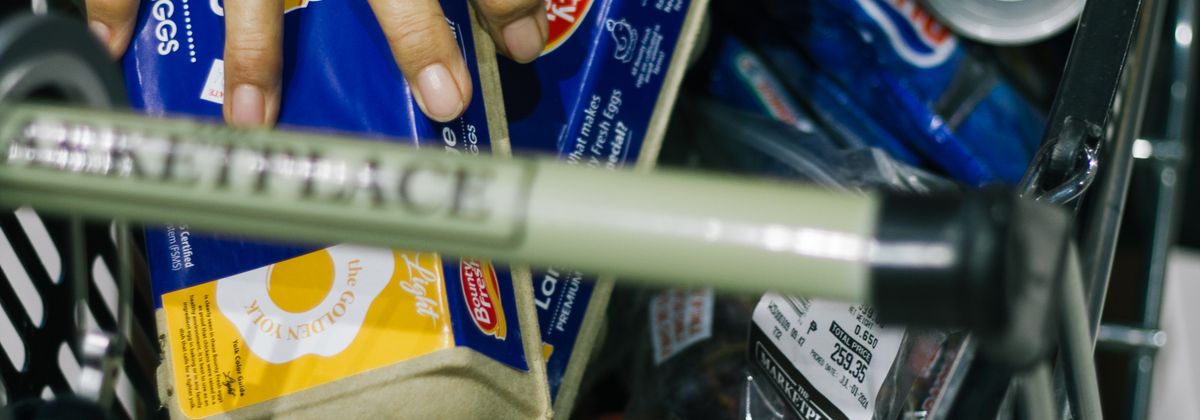
A sale sticker is not the same as a saving. These seven common mistakes turn grocery promotions into extra spending, and each one has a simple fix.
Grocery sales are meant to save you money, and often they do. But a promotion only helps when it changes what you pay for something you really needed. When it changes what you buy, the result can be a bigger bill than before. These are seven common ways that sales cost shoppers more, and what to do about each.
1. Buying because it is cheap, not because you need it
The most common mistake is also the simplest. A low price pulls you towards an item that was not on your list. The saving is real per unit, but you spent money you would not have spent otherwise.
The fix: before you put a sale item in the cart, name the meal or purpose. If you cannot, leave it. The cheapest food is the food you do not buy.
2. Buying more than you can use
A multi-buy deal such as "5 for $10" encourages you to take five. If you use two, the other three may spoil. The effective price of the ones you used was higher than it looked, and the rest is waste.
Here is a quick example. Fresh berries are $4 each, or 3 for $9. You eat two before the third goes mouldy. You spent $9 for two, which is $4.50 each, more than the regular price.
The fix: buy the number you will use before the date. Often the per-unit sale price applies even if you buy fewer, so check the wording.
3. Ignoring the unit price
A sale on one size can make it look like the best deal, while another size or brand is still cheaper per unit. The large shelf label shows the sale price, but the small one beneath it shows what you really pay per 100 g or per litre.
The fix: compare unit prices, including the unsold sizes. The guide to unit prices shows the method.
4. Trusting "was" prices
A sticker may say "was $5, now $3.50", which sounds like a saving of 30 percent. But if the product normally sells for $3.60, the true saving is a few cents. Some "was" prices reflect brief periods at a higher level rather than what most people usually pay.
The fix: learn the regular price of your usual staples. A short list on your phone is enough. A sale is only a sale if it is below the price you typically see.
5. Chasing sales across several stores
Driving to three shops for the best price on each item can use up the saving. Fuel, time and extra impulse purchases at each store all count. If a trip saves $4 but costs $3 in fuel and an hour of your time, it is not worth it.
The fix: choose the store with the most useful items and make that your main shop. Only add a second stop if the savings are large, or if it is on your regular route. Check local offers before you go to see whether the extra stop is worth it.
6. Shopping the sale when you are not ready
Buying a big discount on meat or produce without a plan for where it will go is a recipe for waste. The freezer may be full, the fridge may have no room, or you may not have time to cook it.
The fix: before you buy extra, check your storage and your week. If you cannot freeze it or cook it in time, pass. There will be another sale.
7. Letting loyalty offers drive your choices
Loyalty programmes, points and member prices can be useful, but they can also nudge you into buying items you would not normally choose. A bonus points offer on a product is only valuable if the product is something you need at a fair price.
The fix: treat points as a small bonus on top of a good price, not a reason to buy. Compare the real cost, not the number of points. If you are unsure how much points are worth, divide the price of the reward by the points needed.
A quick check before you commit
Run through these questions at the shelf:
- Is this on my list, or does it fit a planned meal?
- Is the price clearly below the normal price I know?
- What is the unit price compared with other options?
- Will I use all of it before it spoils?
- Do I have room to store it?
If you answer yes to all five, buy with confidence. If you answer no to any, pause. A deal that fails one of these checks is a convenience for the store, not for you.
Keep a record of your mistakes
After a few shopping trips, look at what ended up in the bin. If the same item shows up again and again, whether it is a sale-priced loaf, a bag of salad or a multipack of yogurt, you have found a pattern. Stop buying that item in that quantity, or change how you store or use it.
Learning from small mistakes is the easiest way to improve. Grocery savings do not come from one great trick. They come from steadily removing the errors that quietly cost you money.
Frequently asked questions
Is a multi-buy deal always a good deal?
Only if you will use everything you buy and the unit price is lower than your normal price. Check whether the sale price applies when you buy fewer items.
How can I tell if a sale price is real?
Compare it with the price you normally pay for the same product. Keeping a short note of staple prices helps you recognise a real reduction.
Are loyalty points worth chasing?
They are a small bonus when you were going to buy the item anyway at a fair price. Do not buy something you do not need just to earn points.
Ready to put this to use? Browse today's offers Share a deal you found
 A grocery savings plan: flyers, unit prices and loyalty offers
 When a loyalty program changes its rules: how to react without panic
 Slow cooker, rice cooker or air fryer: which small appliance pays for itself?