Journal / Cashback and rewards
Prepaid cards and rewards: when they help and when fees take the gain
By Today Offers Journal · Sep 20, 2026 · 5 min read
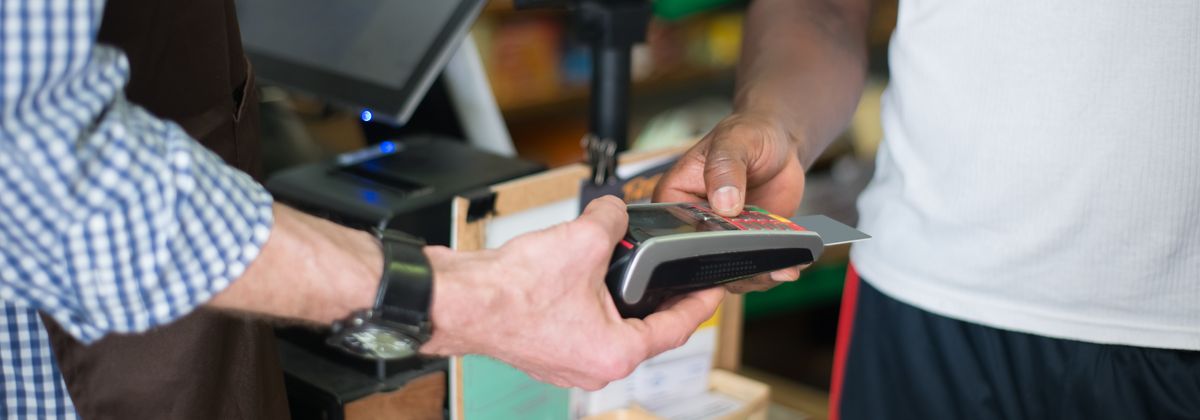
Prepaid cards let you spend only what you load, which suits budgeting. Rewards are usually rare and fees common, so here is how to compare costs, check protections and decide whether one fits you.
A prepaid card works like a payment card with a built-in limit. You load money first, then spend up to that amount. There is no borrowing and no bill at the end of the month. That makes prepaid cards attractive for budgeting, for teenagers learning to manage money, for people who prefer not to use credit and for online purchases where you would rather not expose your main account.
The catch is that rewards on prepaid cards are uncommon, and fees are not. Whether one is worth using depends on what it costs against what it gives back.
Types of prepaid cards
Not every prepaid product is the same, so it helps to know the main kinds.
- Single-use or gift-style cards. Loaded once and spent down. Often sold in shops with a purchase fee.
- Reloadable cards. You add money again and again, sometimes through direct deposit.
- Payroll or benefit cards. Issued by an employer or an agency to pay wages or benefits.
- Travel cards. Loaded with one or more currencies for spending abroad.
- Teen or family cards. Linked to a parent's account with limits and controls.
Each has different terms. A card sold as a gift may expire or lose value through inactivity fees, while a reloadable card may charge monthly fees. Before buying, read the fee table, which should be provided by law in many places, though rules differ.
The fees to look for
Fees are usually where the real cost sits. Common ones include:
- Purchase or activation fee, paid when you buy the card.
- Reload fee, charged each time you add money, especially at cash locations.
- Monthly or inactivity fee, which can drain the balance when the card is not used.
- ATM withdrawal fee, sometimes charged by both the card issuer and the machine owner.
- Foreign transaction fee, when you spend in another currency.
- Replacement or closure fee, when you lose the card or cash out the balance.
Add up the fees you would really pay in a year, then compare them with any reward. A small percentage cashback rarely covers a monthly fee.
In this example the card still comes out a small way ahead, but with a different fee table the result could easily be negative. Always run the sum for your own use.
Where prepaid can make sense
- Strict budgeting. Load the amount for groceries or entertainment and stop when it runs out. It is a simple form of envelope budgeting.
- Teaching money skills. A teen card with parental limits can help a young person practise.
- Online privacy. Using a prepaid card for a store you do not know well limits what could be taken if details leak, though protections differ from a regular card.
- People without a bank account, where a prepaid card can be a way to pay bills or shop online, provided fees are understood.
Where prepaid may not be best
- Hotel and car hire deposits. Some businesses will not accept prepaid cards or may place holds that tie up the balance.
- Fraud and dispute protection. Some prepaid products have protections similar to debit or credit, while others offer less. Check whether the balance is protected if the card is lost and how disputes are handled.
- Building credit. Prepaid use usually does not build a credit file, so it does not help someone who wants to qualify for a loan later.
- Rewards. Few prepaid cards offer meaningful rewards. If cashback is your goal, a no-fee debit or credit card used responsibly may do more.
Gift cards are not the same
A store gift card is limited to that store, while a general-purpose prepaid card works almost anywhere that takes the network. Both can carry fees and expiry conditions, and rules differ by region. If you receive a prepaid gift card, use it soon, keep the packaging with the terms and check the balance occasionally.
A checklist before you buy
- What is the total fee on purchase, reload, monthly use and withdrawal?
- Is there an expiry date or inactivity fee?
- If the card is lost or stolen, is the balance protected?
- Does the card offer any cashback, and under what conditions?
- Can you easily withdraw or transfer the remaining balance?
- Will you be able to see transactions online or in an app?
If you want to compare payment options for a specific purchase, browse local offers first. Some stores offer discounts for certain payment types, and it is worth knowing before you decide how to pay.
Keeping the card safe
Treat a prepaid card like cash. Do not share the number except at checkouts you trust, and register the card if the issuer allows it, since registered cards are often easier to replace. Keep the card number and customer service contact in a safe place apart from the card itself. If the card is lost, report it quickly, because unregistered cards may not be replaced.
Finally, remember that prepaid cards are not a cure for overspending. They simply move the limit from the bank to you. If you find yourself reloading frequently and paying fees each time, a basic bank account may serve you better and cost less.
This article is general information, not financial advice. Prepaid card rules, fees and protections differ by country, province and state and by issuer, so read the cardholder agreement carefully before you buy or load a card.
Frequently asked questions
Do prepaid cards earn cashback?
A few do, but rewards are uncommon and often small. Compare any reward with the fees you would pay in a year before choosing one.
Can a prepaid card help me build credit?
Generally not, because prepaid spending is your own money and is not usually reported as borrowing. Ask a credit counsellor or your bank about options that do build a credit file.
Is my money safe on a prepaid card?
It depends on the product and where you live. Check whether the balance is protected if the card is lost or the issuer fails, and register the card if you can.
Ready to put this to use? Browse today's offers Share a deal you found
 Cashback and rewards explained: how to earn more and avoid the traps
 Putting a big purchase on a card: rewards, protections and a payoff plan