Pre-cut, bagged or whole: what convenience produce really costs
By Today Offers Journal · Sep 25, 2026 · 5 min read
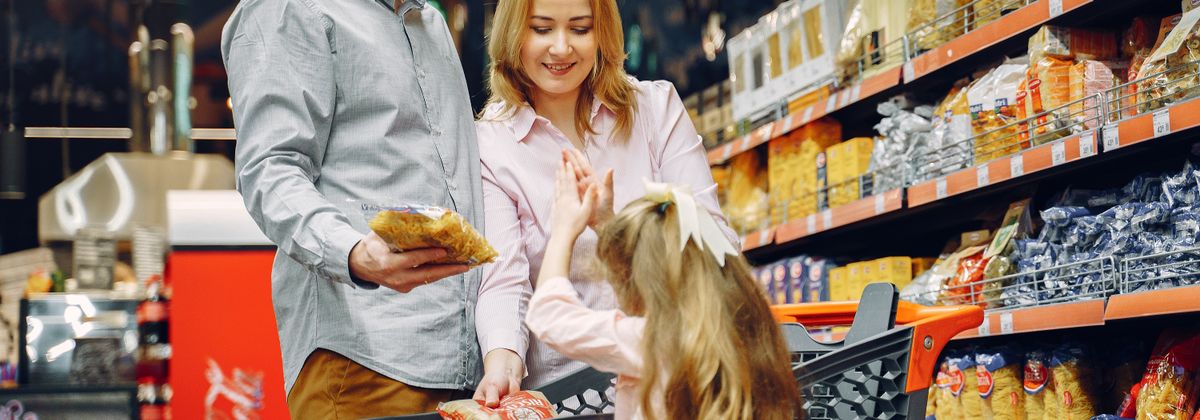
Washed, chopped and bagged produce saves time but often costs several times more per kilogram. Work out when convenience is worth paying for and when a knife and ten minutes will do.
Walk through the produce section and you will find the same vegetable in several forms: whole, trimmed, chopped, spiralled, bagged with a sauce and packed in a tray. Each step of preparation adds labour and packaging, and that cost shows up on the label. Sometimes it is worth paying, since time is valuable, and sometimes it is not. The only way to know is to compare the price per kilogram and the waste.
What you pay for in a convenience product
When produce is pre-cut or packaged, several costs are folded into the price.
- Labour for washing, peeling, cutting and packing.
- Packaging that keeps cut produce fresh.
- Shorter shelf life, which means the store throws more away and prices that in.
- Less waste for you, since there are no peels, stalks or tops to discard. That is a genuine saving worth counting.
The last point is the one most people forget. A kilogram of whole cauliflower includes leaves and stalk, so a smaller proportion of it is edible. A bag of florets is mostly edible, which narrows the gap.
A worked example: the real cost of edible weight
Suppose whole cauliflower costs $4.00 per kg, and about 60% of the weight is edible after trimming. Florets in a bag cost $9.00 per kg and are 100% edible.
- Whole: $4.00 divided by 0.60 is about $6.67 per kg of edible cauliflower.
- Florets: $9.00 per kg of edible cauliflower.
- Difference: about $2.33 per edible kg, or roughly 35% more for the bag.
That is a smaller gap than the sticker prices suggest, and some shoppers will gladly pay it for the time saved. Other produce shows a bigger gap: pre-cut fruit trays, spiralled vegetables and salad kits with toppings can cost many times as much as the raw ingredients.
The example also shows a useful middle path: frozen florets. They are already cut, and they keep for months.
Where convenience is usually worth it
- When time is the limiting factor. If you would otherwise order takeaway because dinner prep feels too hard, a bag of chopped vegetables may be the cheaper option overall.
- When you only need a little. A small bag of washed spinach costs less than a large bunch that half wilts.
- When it enables more vegetables. A household that eats more vegetables because they are ready to cook gets a different value from the same price.
- When a disability or injury makes cutting difficult. Convenience is a legitimate need.
Where whole is usually better
- Staples used in large amounts, such as carrots, onions, potatoes and cabbage. These are cheap whole and expensive pre-cut.
- Items you will cook for a long time, like stews, where size and uniformity do not matter.
- Fruit. Whole melons, pineapples and apples cost much less per kilogram than trays of cut fruit, though you must handle the waste.
- Items with long shelf life where you can buy bulk.
Shortcuts that cost little
You can capture most of the convenience for less with a few habits.
- Prep in one batch. After shopping, wash and chop carrots, peppers and celery in one session, and keep them in containers for the week.
- Use a food processor or good knife for repetitive jobs. A decent knife and a stable board speed everything up.
- Choose frozen chopped vegetables, which are frequently cheaper per serving than fresh equivalents and have no waste.
- Buy salad ingredients separately and mix them yourself. A head of lettuce, a cucumber and some tomatoes usually cost less than the equivalent salad kit, and they last longer.
- Take the peel-and-chop test. If you spend five minutes to save $2, that is $24 an hour. Decide whether that is a good rate for you.
Compare with the right numbers
When you compare two products at the shelf, look at three things.
- The unit price, per kilogram, per pound or per 100 g.
- The share of the product you will eat.
- The use-by or best-before date, which tells you how quickly you must use it.
Comparing against the weekly flyer helps, because stores sometimes discount pre-cut items. If a bagged salad is cheaper than whole lettuce for a week, take it.
Be honest about what you will actually do
Many households buy whole vegetables with good intentions and let them rot because chopping feels like a chore. If that sounds familiar, convenience produce may still save money because you will eat it. The cheapest vegetable is the one that gets eaten.
A simple test is to track one month. Note how many whole vegetables were thrown away, and how many bags of convenience produce you finished. Use that evidence rather than guilt to decide.
A final tip is to treat convenience as something you buy for a reason, not by default. Decide in advance which two or three items you will pay extra for, perhaps a bag of washed spinach or pre-cut onions for busy nights, and buy everything else whole. Setting that limit keeps the extra cost small and deliberate, and it stops convenience pricing from spreading across the whole basket without anyone noticing.
It is also worth checking whether your store offers a lower-cost version of the same prepared item. Store-brand salad bags and frozen chopped vegetables are often noticeably cheaper than the named alternatives, and they do exactly the same job. If you cook for a family, the saving can be larger than you expect once you repeat it every week.
Frequently asked questions
Is pre-cut produce less nutritious?
Cutting can slightly reduce some nutrients over time, but the difference for most people is small compared with eating more vegetables. Eating vegetables in any form is generally better than skipping them.
Are salad kits ever good value?
Occasionally, when they are discounted or when you would not otherwise eat salad. Compare the cost with buying the ingredients separately.
Is frozen chopped produce cheaper than fresh pre-cut?
Often it is, since frozen products have longer shelf life and less waste. Check the unit price to be sure.
Ready to put this to use? Browse today's offers Share a deal you found
 A grocery savings plan: flyers, unit prices and loyalty offers
 When a loyalty program changes its rules: how to react without panic
 Slow cooker, rice cooker or air fryer: which small appliance pays for itself?