Pop-up shops and limited-run sales: checking returns, contact details and seller history
By Today Offers Journal · Oct 25, 2026 · 5 min read
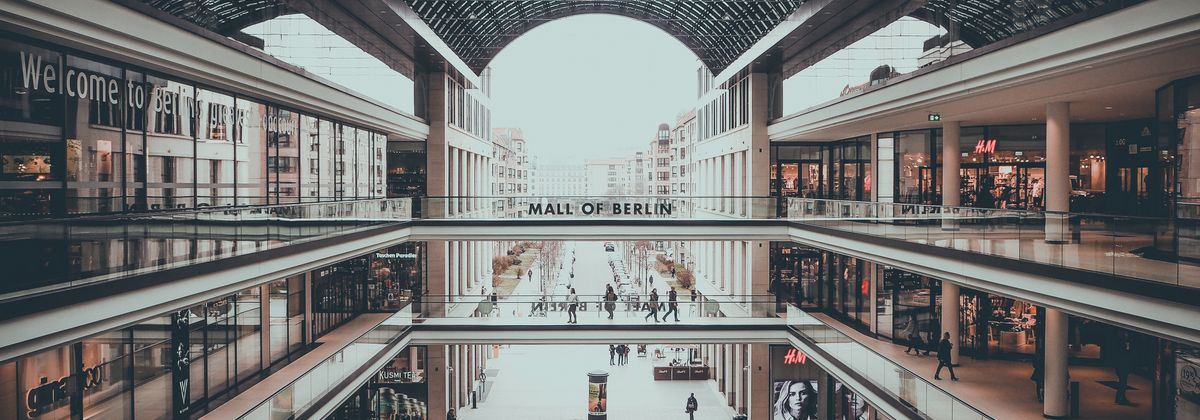
Pop-up shops can be a great source of interesting products, but temporary sellers are harder to reach if something goes wrong. Learn the quick checks to make before you pay.
A pop-up shop appears for a few days or weeks, often in an empty storefront, a market or a shared space. Some are run by established brands trying a new area. Others are small makers or new businesses testing demand. They can bring unusual products and a friendly atmosphere. The risk is that a temporary seller may be harder to find later if something goes wrong. A few quick checks protect you without spoiling the fun.
Why pop-ups exist
Understanding the model helps you read the situation. A pop-up avoids the cost of a long lease, lets a business try a location, and creates a sense of an event. For shoppers, the attraction is novelty and the chance to meet the maker.
There are different kinds.
- Brand pop-ups from known companies, often with a clear online presence and a returns policy.
- Maker or craft pop-ups from small producers with limited stock.
- Seasonal pop-ups, such as holiday or summer shops.
- Resale and clearance pop-ups, with stock from other sources.
Each type calls for slightly different checks, but the principles are the same: who is selling, how can you reach them and what happens if the item is wrong?
Five checks before you pay
- Who is the seller? Look for a business name on signs, receipts or a card. A brand or maker with an online page, a social account or a market listing is easier to follow up.
- What are the contact details? Ask for an email address or phone number and a website. If you only see a first name and no contact route, be cautious on larger purchases.
- What is the return or exchange policy? Ask before you buy, and look at the receipt. Many pop-ups allow exchanges but not refunds, and some are final sale.
- What is the warranty? For electronics, appliances or higher-priced goods, ask who provides support after the pop-up ends.
- How does the seller take payment? A card or mobile payment from a business account generally leaves a record. Cash is also common, but it leaves less documentation.
You do not need to question every seller. Scale your checks to the price. A $6 candle needs little. A $300 item needs more.
A simple risk scale
It can help to think about what you stand to lose.
This is not a rule, but a reminder to match effort to risk. An inexpensive item that is a pleasure to own is an easy yes. A costly item with no contact route deserves a second thought.
Receipts and records
A receipt is your main proof of purchase, so make sure it is clear.
- It should show the business name, date, item and price.
- If the seller writes by hand, check the details are legible.
- Take a photo of the receipt and the item.
- Keep any warranty paper, care instruction or product page.
- Note the seller's page or contact details on your phone.
If the seller does not give a receipt, ask for one, or ask for an emailed copy. Honest sellers usually agree, and it protects both sides.
Quality and authenticity
Because stock is unfamiliar, inspect it properly. Look at stitching, finish, packaging and labels. If the seller says an item is handmade, ask how and where. If a brand name appears, check that the labels and packaging look consistent. Counterfeit goods are a risk for some products, and a price far below normal for a well-known brand deserves care.
For food, cosmetics and children's products, look for ingredient lists, allergy information and any required labelling. Rules differ by country, so if you have allergies or concerns, ask the seller and check the product label.
Pop-up pricing
Prices at pop-ups reflect small batches, short leases and the cost of a temporary space, so they are not always lower than in permanent shops. Sometimes you pay a little more for something rare. Sometimes the maker sells directly at a price below what a store would charge, because no middle seller is involved. The best test is the one you use elsewhere: would this be a fair price for what I am holding, with or without the story that goes with it?
Staying fair as a shopper
Pop-up sellers often work long hours with limited help, so a bit of courtesy goes a long way. Ask questions politely, handle goods carefully and avoid blocking the entrance. If you like the shop, tell others, follow its page and return when it reopens. Many small businesses use pop-ups to build a following, and your support can help them move to a permanent site.
If you would like to know what a pop-up has been like for other people, ask in the community, or look for notes in local offers for your area, where businesses sometimes post dates and locations.
What to do if something goes wrong
If an item is faulty or not as described, contact the seller as soon as you notice. Use the contact details you saved, keep messages polite and include your receipt and photos. If the seller cannot be reached, your payment method may offer a route to dispute the charge, depending on the method and your country. Consumer rules vary, so check local guidance.
The best insurance is a small bit of preparation: ask the five questions, keep your records and buy with the right expectations. With that done, a pop-up is an enjoyable way to find something different.
Frequently asked questions
Can I return something I bought at a pop-up?
It depends on the seller. Many allow exchanges only, and some mark items final sale. Ask before you pay and keep your receipt.
How do I know a pop-up seller is legitimate?
Look for a business name, contact details and an online presence, and check that the stock and labels look consistent.
What if the pop-up has closed when I need help?
Use the contact details on your receipt or the seller's page. If you cannot reach them, ask your payment provider about options, and check local consumer guidance.
Ready to put this to use? Browse today's offers Share a deal you found
 In-store shopping tips that actually save money
 Buying gift cards from small shops: helping a business without taking on risk
 A category-by-category markdown calendar: when each aisle tends to get cheaper