Pickup, delivery or in-store: counting the true cost of each
By Today Offers Journal · Nov 9, 2026 · 5 min read
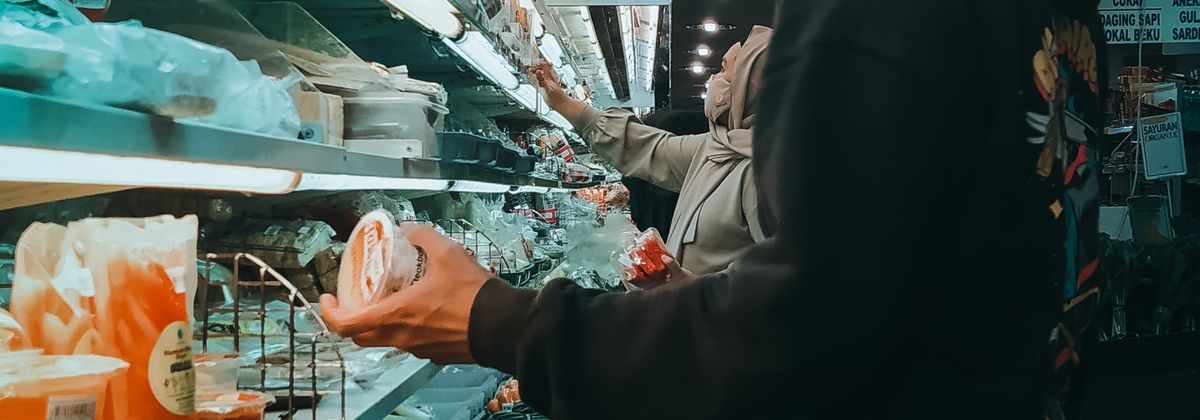
Ordering groceries online can save time and curb impulse buying, but fees, substitutions and tips change the total. Compare the real cost of pickup, delivery and a normal trip.
Groceries can reach you in three main ways: you walk the aisles yourself, you order online and collect, or you order online and have the food delivered. Each has a different mix of cost, time and risk. The price on the shelf is only part of the picture. To choose well, count everything: fees, tips, travel, time, substitutions and the effect on what you buy.
What each method really costs
Start by listing the costs for each option. Not all of these apply to every method or store, and fees differ widely by place, so check current terms before you decide.
- Item prices. Some services list the same prices as in the shop, while others add a markup. Check on a few items.
- Delivery or service fees. Many services charge a flat fee, a percentage or a minimum order. Some waive fees above a spending level or with a subscription.
- Tips. If you tip a driver or shopper, include that.
- Membership or subscription fees. If you need one to unlock free delivery or pickup, spread the cost over the number of orders you will place.
- Travel. For in-store and pickup, count fuel, parking or transit fares.
- Time. Your hours have value. Shopping in a store may take an hour or more, a pickup may take ten minutes, and delivery may take almost none.
A worked comparison
Suppose a household has a $120 weekly shop. These numbers are made up to show the method.
- In-store: $120 of food, $3 in fuel and parking, and 90 minutes of time, including travel. Total money cost is $123.
- Pickup: $120 of food, a $4 pickup fee, $2 in fuel, and 25 minutes. Total money cost is $126.
- Delivery: $120 of food, a $7 delivery fee, a $5 tip and no travel. Total money cost is $132, with almost no time.
Now include the effect on spending. If shopping in person leads to $12 of impulse purchases and ordering online reduces that to $3, the in-store trip would actually cost $135 against $129 for pickup and $135 for delivery. The conclusion can flip, depending on your habits.
The point is that the cheapest-looking option on the shelf may not be the cheapest overall. Your own numbers will differ.
Watch for substitutions and quality
When someone else picks your order, a few risks appear.
- Substitutions. An out-of-stock item may be replaced with a different size, brand or price. Check whether you can approve substitutions, refuse them or choose a preferred alternative.
- Freshness. You cannot see the produce or check dates. Some services let you set preferences, such as ripeness, and many offer a way to report problems.
- Missing items. Check the order when it arrives, and report anything wrong promptly. Policies differ, so read the store's terms for refunds or credits.
In pickup, you can often inspect the bags before you leave. For delivery, check quickly, take a photo if something is damaged and contact support.
Use online ordering as a budgeting tool
Online ordering has real advantages beyond convenience.
- A running total. You see the cost of your basket as it builds, and can remove items before you pay.
- No impulse displays. You skip the end-of-aisle stacks and the checkout sweets.
- Saved lists. Recurring items are easy to add, and you can build a list from a meal plan.
- Easy price comparison. Searching by unit price or filtering by deals is faster than walking the aisles.
To benefit, set a budget before you start, and remove items until the total fits. Check the weekly flyers first and search for the sale items by name. If the store offers digital coupons, apply them before you check out.
Know when in-store still wins
Shopping in person has its own strengths. You can:
- Choose your own produce, meat and bread, which avoids quality concerns.
- Spot markdowns and short-dated bargains that never appear online.
- Compare unit prices side by side, and see the actual pack sizes.
- Pick up a bargain that you did not expect.
If you have a strong list and discipline, in-store shopping can be the cheapest option. If you are tempted by displays, a pickup may be better.
Mix the methods
Many households get the best result by combining methods. For example:
- Order heavy, non-perishable items, such as cleaning supplies, drinks and tinned goods, online for pickup or delivery.
- Visit the shop in person for fresh produce, meat and reduced items.
- Use delivery only when you are unwell, busy or have a large order that crosses the fee-free threshold.
This keeps fees small while still saving time and effort in the heaviest part of the shop.
Reduce the fees
If you use pickup or delivery regularly, a few habits cut costs.
- Consolidate orders. One larger order per week costs less in fees than several small ones.
- Meet the free threshold only if you need the extra items. Do not add things to reach it.
- Check for introductory offers or time slots that carry lower fees, and read the terms.
- Compare services in your area. Use local offers to see current promotions and whether a delivery or pickup deal is worth it.
- Calculate any subscription's break-even point by dividing the fee by the saving per order.
Decide with your own numbers
Run the comparison for two or three weeks, including time and impulse spending, and note the results. You may find that pickup is the best balance, or that you save most by walking the aisles with a list. There is no universal answer. The best method is the one that gives you the food you need at the lowest total cost for your household, and that you can sustain.
Frequently asked questions
Is grocery pickup cheaper than delivery?
Usually, because pickup fees are lower and there is no tip, but you pay with your time and travel. Compare the full cost for your own situation.
Can I refuse substitutions in an online order?
Many services let you approve or decline substitutions or set a preference when you order. Check the options in your store's app or website.
Does online shopping reduce impulse buying?
It often does, because you see a running total and avoid in-store displays, but only if you set a budget and stick to your list.
Ready to put this to use? Browse today's offers Share a deal you found
 A grocery savings plan: flyers, unit prices and loyalty offers
 When a loyalty program changes its rules: how to react without panic
 Slow cooker, rice cooker or air fryer: which small appliance pays for itself?