Open-box and floor-model electronics: what to inspect and negotiate
By Today Offers Journal · Oct 13, 2026 · 5 min read
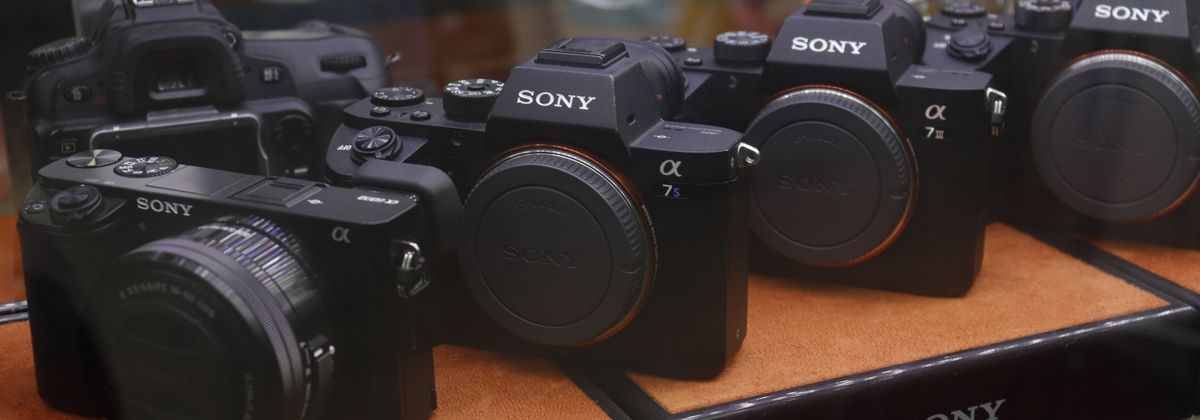
Open-box and floor-model electronics can cost noticeably less than new ones, but conditions vary. Learn what to inspect, which questions to ask and how to ask for a fair discount.
Every shop has a few items that were returned, displayed or unpacked and cannot be sold as sealed. They are called open-box, floor models, ex-display or demo units, and they are sometimes discounted. Whether the discount is good depends on the condition, the warranty and the price you could get for a new one. A short inspection and a few direct questions are enough to find out.
What the terms usually mean
Shops use these labels in different ways, so ask what they mean in the shop you are visiting.
- Open-box: the package was opened. It might be an unused customer return or a unit that was used briefly.
- Floor model or display unit: it was on show, often powered on for many hours a day, and handled by many people.
- Demo or ex-display: similar to a floor model, sometimes sold after a promotion ends.
- Returned item: may have been tested by the shop, or only checked for missing parts.
None of these is automatically poor quality. Some are as good as new. But none can be assumed to be, either.
Questions to ask
Ask these before you talk about price, and note the answers.
- Why is this unit open-box? A customer change of mind is different from a reported fault.
- Has it been tested? By whom, and when?
- Is everything included? Accessories, cables, remote, manual, stand and original box.
- What is the warranty? Is it the manufacturer's full warranty, a shorter store warranty, or none?
- What is the return policy? It may differ from the policy for new units.
- Where will the warranty start? From the date of the original sale or from your purchase?
- What are the cosmetic marks? Ask to see them.
What to inspect in the shop
Spend a few minutes looking rather than hurrying.
- Check the body for scratches, dents and cracks, especially at corners and edges.
- Turn it on if possible and check the screen on a plain colour for dead pixels, uneven lighting or burn-in marks, which are fading images left by long use.
- Test the buttons, ports and any moving parts.
- Look at the serial number and note it on the receipt.
- Check the accessories against the list on the box or the manufacturer's website.
- Look inside the box for packing material and condition of the cables.
A TV that has run a demonstration loop for hours deserves extra attention to the screen. A laptop that was on display may have a worn keyboard or trackpad.
How much discount is fair?
There is no formula. The price should reflect the risk you are taking and the condition. A useful approach is to compare the open-box price with three other prices: the new price, the price for a refurbished model and the lowest recent sale price for new.
In this made-up example, an unused open-box unit at $600 is only $50 below the recent new sale price. That saving may be too small to give up a full warranty and a long return period. The floor model at $520 is $130 below the sale price, which may justify some cosmetic wear.
How to ask for a discount
Politeness works better than pressure, and being specific helps.
- Find the cosmetic marks and point them out calmly.
- Check the recent price of a new unit.
- Ask whether the shop can offer a better price, a longer warranty, or a free accessory.
- Be ready to walk away. The shop may have another unit or a similar deal later.
A request might be as simple as asking whether the price is flexible given the marks on the corner. Some shops have set policies and cannot negotiate, but asking costs nothing. If the shop will not reduce the price, you can ask for something else, such as a bracket, a cable or free delivery.
A worked example
Suppose a floor model laptop is marked at $520 and a new one sells for $650 after a recent promotion. The $130 saving is 20 percent. Now imagine the warranty on the display unit is ninety days, while the new one has a full year. If you would otherwise buy a one-year protection plan for $60, you should count that against the saving, leaving a net saving of about $70, or roughly 11 percent. Whether that is enough depends on how much wear you can see and how comfortable you are with the shorter cover. Doing this small calculation takes a minute and keeps the decision grounded.
Protect yourself
- Ask for the condition, warranty and return terms in writing on the receipt or order.
- Photograph the item and its marks in the shop.
- Keep the receipt and the serial number.
- Test it fully at home within the return window.
- Confirm that the manufacturer's warranty is valid and that you can register it.
When it is not worth it
- The saving is small compared with the sale price of a new unit.
- The warranty is shorter and the return window is final sale.
- The item is a safety-related product or something that must be sealed, such as certain personal devices. Check the policy.
- Parts are missing and cannot be replaced easily.
- The item has a known fault.
Where to find them
Open-box and clearance items appear in stores, in online sections for returned goods, and in local flyers. Browse local offers and check the flyers for your area, and keep in mind that stock changes quickly and each unit is different, so look at the one you are buying.
The short version
Treat an open-box item as a negotiation with three parts: condition, protection and price. When all three are clear and the saving is meaningful, it can be an excellent way to buy. When any of them is vague, buy a new one.
Frequently asked questions
Is an open-box product as good as new?
Sometimes, but not always. It may be an unused return or a lightly used item. Ask why it was opened and what the warranty and return terms are.
Can I negotiate the price of a floor model?
Often you can ask. Point out marks or missing items and ask for a better price or an extra such as free delivery. Some shops have fixed prices, but asking costs nothing.
Does an open-box item have a warranty?
It depends on the seller. Ask whether the full manufacturer warranty applies, who provides it and when it starts.
Ready to put this to use? Browse today's offers Share a deal you found
 When to buy electronics and other big purchases
 When the delivery date slips on a big order: your options and what to record
 When a water heater or furnace fails: how to plan an emergency replacement