Off-peak shopping: what you gain and what you might lose
By Today Offers Journal · Oct 16, 2026 · 5 min read
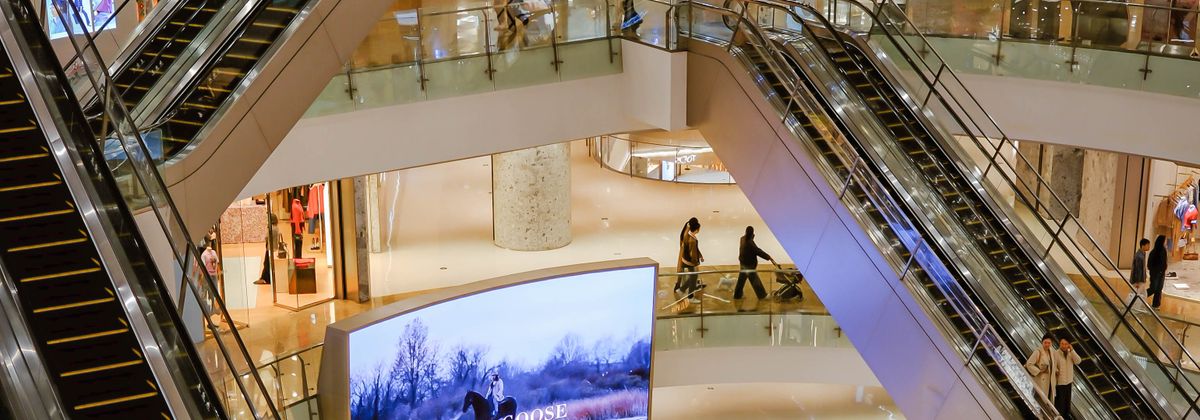
Shopping when stores are quiet can save time and stress, but it is not free of trade-offs. Weigh the gains and losses of early, late and weekday trips against your own schedule.
Shopping at quiet times has a good reputation. Shorter lines, empty aisles and less noise sound appealing, and they often are. But off-peak shopping also has costs: smaller selection at certain hours, awkward schedules and sometimes fewer staff. This article lays out both sides so you can decide whether to shift your trips.
What counts as off-peak
Off-peak means the hours when your local store has fewer customers. That differs by place. In many areas it includes weekday mornings and mid-afternoons, and the first hours after opening. It often excludes lunchtime, the hours after work and the weekend middle of the day. A store near offices has a different pattern from a store in a residential area. Watching your own store for a couple of weeks tells you more than any general rule.
What you may gain
Shorter queues. Fewer people at the tills means less time standing in line, which has real value if your time is limited.
Easier parking and movement. Car parks are less full, and aisles are easier to move through, which matters for trolleys, strollers and mobility aids.
Calmer decisions. In a quiet store you can compare labels and unit prices at your own pace. Being rushed or crowded is a factor in impulse buying.
More attention from staff. When the store is quiet, staff may have time to answer questions, check stock or look up a price.
Better stock of freshly delivered goods. If deliveries arrive before opening, early shoppers may find shelves full and tidy.
What you might lose
Smaller choice later in the day. On busy days, popular items and sale items may run out by afternoon. Late shoppers sometimes find gaps.
Fewer staff or services. Some departments, such as a deli counter or customer service desk, may have shorter hours. Check what is open.
Less choice on short-dated reductions. If a store marks down items near their date, the choice may be best late in the day, which is not always off-peak. Timing depends on the store.
Awkward schedules. A weekday morning shop may need time off work or childcare arrangements, which carry their own cost.
Reduced opening hours. Late-night and early-morning opening hours differ by store and may vary on holidays.
A way to weigh it
Rather than asking "Is off-peak better?", ask which benefits matter for this trip.
- Is the trip time-sensitive? If a promotion is likely to sell out, going early in the sale beats going at a quiet time later.
- How long do you want to spend? If you only have twenty minutes, quiet hours help most.
- Who is coming? Children, older relatives and people with mobility needs may find quiet times more comfortable.
- What are you buying? Fresh food benefits from fresh deliveries. A single known item does not need a long browse.
- What else does it cost? Take into account lost work time, extra transport or other trips.
Score each option, and choose the one with the best balance.
Combining peaks and off-peaks
You do not have to choose one slot for everything. A common mix is:
- The main weekly shop at a quiet time. It is the largest and most time-consuming trip.
- Quick top-ups at whatever time suits. These are short, so crowding matters less.
- Sale-day pickups early in the promotion week. This protects stock for the items you want.
- Browsing or large non-urgent purchases at quiet times, when you can inspect and compare.
Special-case quiet periods
Some retailers offer reduced-stimulus or quiet hours with lower lighting and sound. If you or someone you shop with finds busy stores difficult, ask whether your local stores offer such sessions. Others have senior or community hours. Offerings vary, so check with the store directly.
A worked comparison
Imagine a weekly shop that takes 70 minutes on a busy Saturday and 45 minutes on a weekday morning. The saving is 25 minutes a week, which is more than 20 hours over a year. If getting to the weekday slot costs nothing extra, that is a clear gain. If it means taking unpaid time off work, or paying for childcare, the gain may vanish. Put a figure on both sides, even a rough one, before changing your habits. Also keep in mind that the store itself may change its pattern: a new nearby office, a school term or a flyer day can all move the crowds, so recheck your slot every few months.
Safety and comfort
Late-evening or very early trips are not always comfortable for everyone. Choose times when the car park and surroundings feel safe, and when public transport is available for your return. Convenience is no use if the journey is unpleasant.
Test and decide
Try a new time slot twice before judging it. Note how long you spent, whether your items were in stock and how you felt. If a different slot clearly beats your current one, switch. If not, stay where you are. You may also check the community to see what other local shoppers report about when stores are calm.
Off-peak shopping is a tool, not a rule. Used where it fits, it can make a trip cheaper, shorter and less stressful.
Frequently asked questions
Is off-peak shopping always cheaper?
Not necessarily. It tends to save time and stress rather than money directly, though calmer shopping can reduce impulse buys.
Will sale items sell out at quiet times?
Possibly. Popular promoted items may run out later in the week, so go early in the sale period if the item matters.
How do I find out my store's quiet hours?
Ask staff, watch the store over a couple of visits and compare notes with other local shoppers.
Ready to put this to use? Browse today's offers Share a deal you found
 In-store shopping tips that actually save money
 Buying gift cards from small shops: helping a business without taking on risk
 A category-by-category markdown calendar: when each aisle tends to get cheaper