Meal planning for one or two people without waste
By Today Offers Journal · Oct 16, 2026 · 5 min read
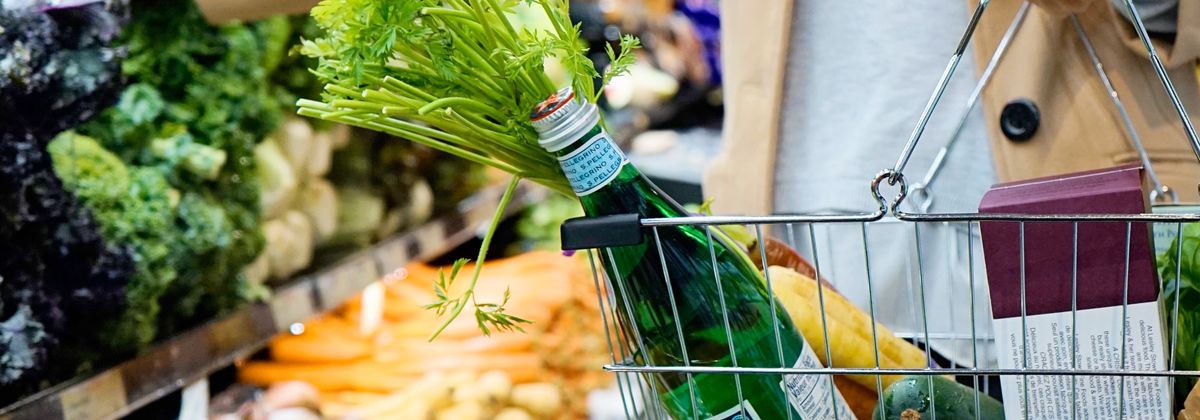
Packs, recipes and deals are often built for families. If you shop for one or two, here is how to plan meals, pick pack sizes and freeze extras so the savings are not lost to waste.
Grocery shopping is set up for families. Recipes serve four, multipacks come in sixes and the best-looking deals are often for the largest pack. If you cook for one or two, you can end up either paying more per unit or throwing away food you could not finish. With a few adjustments, you can still shop sensibly, eat well and keep the bill under control.
Start with what is realistic
For a small household, the first rule is to plan for the number of meals you really eat at home. Perhaps you eat lunch at work, have dinner out once a week or skip breakfast. Counting those accurately avoids buying for meals that do not exist.
A rough way to start is to write down a normal week, and mark each meal as "at home", "away" or "leftovers". You may find that you need five or six dinners, not seven, and fewer lunches than you expected.
Cook larger, then divide
Many recipes are written for four, but you can still make them. The trick is to treat the extra portions as planned future meals.
- Cook for four, eat for two, and chill or freeze the rest in single or double portions.
- Make a base and vary it. A pot of chilli can become a baked potato topping, a burrito filling and a pasta sauce over the week.
- Freeze in small containers, so you can take out exactly what you need.
This approach is often cheaper than cooking a tiny portion, because ingredients are cheaper in larger quantities and you spend less time cooking overall.
Pick pack sizes with care
Large packs are cheaper per unit but only if you use them. Smaller households need to be selective.
- Compare unit prices, but ask whether the larger pack can be used or frozen in time.
- Choose long-lasting items in larger sizes, such as rice, pasta, oats and canned goods.
- Choose perishables in smaller sizes, such as bread, salad and soft fruit, or divide and freeze them right away.
- Use the deli and loose produce sections, where you can buy exactly the amount you need, such as two peppers or a few slices of meat. Prices per unit can be higher, so compare.
- Look at frozen options. Frozen vegetables and fruit let you take out only what you need, and nothing spoils.
In the example, the large bag costs $3.00 and the small bag $2.50. When only two portions are eaten, the large bag costs $1.50 per portion eaten and the small one $1.25. Frozen vegetables avoid the problem altogether, since you can take out two portions and leave the rest in the freezer.
Share and swap
If you live near friends or neighbours, sharing can make big packs useful. You might split a bulk pack of chicken, a large tray of fruit or a case of tinned goods. Agree the split and the payment, and keep it simple. Even sharing with one other household can bring the unit price down without the waste.
You can also swap portions of cooked food. A neighbour with a spare serving of soup might enjoy a portion of your lasagne. Only do this with people you trust, and follow basic food safety rules.
Use deals selectively
Flyers and promotions are often aimed at families, so be careful. A deal like "buy 3, save $2" is only a saving if you will use all three. For a small household, the best deals are usually on:
- Foods that keep, such as pasta, rice, canned goods and frozen items.
- Foods that freeze well, such as meat, fish and bread.
- Household items you need anyway, such as soap or cleaning products.
You can check the weekly flyers and focus on those categories. Skip anything that would force you to eat the same thing for a week.
Build a simple rotation of meals
Cooking for one or two is easier when you have a short list of go-to meals that you know scale well. Examples include soups, stir-fries, pasta dishes, omelettes, grain bowls and sheet-pan dinners. These use flexible ingredients, and you can adjust portions without changing the recipe much.
Write down five to eight of these meals and keep the list handy. When you plan the week, choose a few from the list and then check the flyer for items that fit. This reduces decision fatigue and ensures that most of what you buy has a purpose.
Watch the treat creep
Small households sometimes spend more per person on convenience food, because buying a single serving of a ready meal is easy. Convenience can be worth the price on busy days, but make it a decision rather than a default. Keep one or two simple back-up meals at home, such as eggs and toast, so that a tired evening does not turn into an expensive takeaway.
A short routine
- Count the real number of meals you will eat at home this week.
- Check what you already have, and plan to use it.
- Choose two or three base dishes to cook in larger amounts.
- Write a short list, with attention to pack sizes.
- Portion and freeze extras as soon as you get home.
Over time, you will learn which items you always run out of and which tend to linger. Adjust your habits accordingly. A small household can save as much as a large one on percentage terms, if it pays attention to waste and pack size. You can find more ideas by browsing local offers for smaller formats and single-serve deals.
Frequently asked questions
Is it cheaper to cook for one or to buy ready meals?
Cooking larger amounts and freezing portions is usually cheaper per meal than ready meals, though convenience has value on busy days. Compare the real cost per portion.
How do I avoid waste when packs are too big?
Choose smaller sizes for perishables, freeze portions of items like bread and meat, and share large packs with a friend or neighbour.
Should I skip multi-buy deals?
Only take them when the food keeps or freezes well and you will use all of it. Otherwise the per-item saving is lost to waste.
Ready to put this to use? Browse today's offers Share a deal you found
 A grocery savings plan: flyers, unit prices and loyalty offers
 When a loyalty program changes its rules: how to react without panic
 Slow cooker, rice cooker or air fryer: which small appliance pays for itself?