Leftovers that become a second meal, not a sad lunch
By Today Offers Journal · Sep 22, 2026 · 5 min read
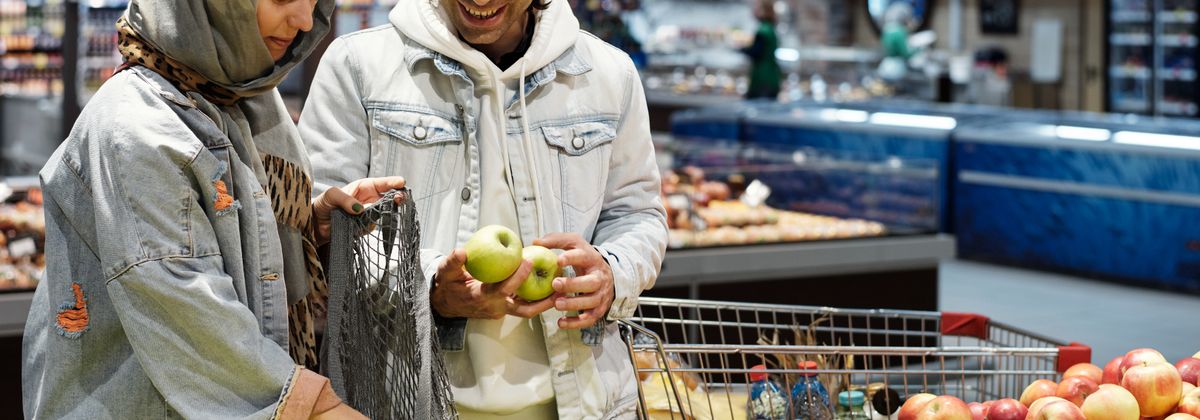
Leftovers save money only if they get eaten. Plan them in advance, transform them into something new and store them so they are still appealing two days later.
Leftovers have a reputation problem. Most of us have opened the fridge to find a container of something grey and unloved, and quietly closed the door. Yet leftovers are some of the cheapest food you will ever eat, because the ingredients are already paid for and the cooking is done. The difference between a useful leftover and a wasted one is usually a plan.
Plan leftovers on purpose
The best leftovers are not accidents. When you cook, decide whether tonight's dinner will become part of another meal. If it will, cook a little more than you need and treat the extra as an ingredient, not as remains.
This matters because ingredients are cheaper in larger amounts. A bigger roast, pot of rice or tray of vegetables costs a bit more than a small one, but far less than cooking twice from scratch. If you know the extra will be eaten, the deal is good.
A simple test before you cook a larger amount: name the meal it will become. If you cannot, cook the normal amount.
The transformation method
A leftover is more appealing when it is changed, not just reheated. Think in terms of a change of form, flavour and temperature.
- Change the form. Roast chicken becomes sandwiches, fried rice or a pie filling. Cooked potatoes become hash or a salad.
- Change the flavour. The same base gets a new sauce or spice mix. Plain rice can go from a curry side to a lemon and herb salad.
- Change the temperature. A hot dinner becomes a cold lunch, such as pasta salad, grain bowls or wraps.
- Change the dish type. Vegetables from a tray become soup, a frittata or a topping for toast.
A little fresh seasoning, a squeeze of lemon or a handful of herbs can lift a leftover. The pantry usually holds enough to do this.
Examples of leftover pathways
These examples show how one cooked item can lead to a second and third meal. The foods are illustrations, not a menu you must follow.
- Roast vegetables: serve as a side, blend into soup, then fold into a frittata or stuff into a wrap.
- Cooked rice: serve as a side, then fry with egg and frozen peas, then use as a base for a rice pudding or a stuffed pepper.
- Pasta sauce: serve over pasta, then use as a pizza base or a sauce for baked eggs.
- Cooked beans or lentils: serve in a stew, then mash into a spread or fill tacos.
- Roast meat: serve with sides, then slice for sandwiches, then simmer bones or scraps into stock.
In each case the second meal takes less time than a fresh one and costs less because the main component is already cooked.
Store them so they stay appealing
Food that has been stored badly is unpleasant before it becomes unsafe. A few habits help both quality and safety.
- Cool and refrigerate promptly. Do not leave cooked food out for long periods. Local health guidance has details on time limits, so check it.
- Use shallow, sealed containers. They cool faster and keep food from drying out or picking up smells.
- Label with the date. A strip of tape and a marker takes seconds and ends the guessing.
- Store sauces separately when you can. Crisp items stay crisp and pasta does not turn mushy.
- Keep leftovers at eye level. If you can see them, you will eat them. Food at the back of the bottom shelf tends to be forgotten.
Many cooked dishes can be frozen. If you will not eat something within a few days, freeze it soon instead of waiting for it to become questionable.
Make a leftover night
One of the simplest habits is to set aside one evening a week as a leftover night. Take everything that has built up in the fridge, line it up and let each person choose. It costs almost nothing, it clears the shelves and it prevents the slow build-up of forgotten containers.
If your household resists, try a twist. Turn it into a build-your-own night, with bowls, wraps or tacos where each person assembles a meal from the pieces. The same food tastes better when people feel they chose it.
When to let something go
Not every leftover should be saved. Use judgment, and follow general safety guidance.
- If food has been left out too long, do not eat it.
- If it smells wrong or looks unusual, discard it.
- If you are unsure how long it has been in the fridge, it is safer to throw it away.
- Reheat food thoroughly before eating, and do not reheat the same portion repeatedly.
Throwing out food is a small loss, but being ill is a larger one. Use dates and labels to avoid reaching this point.
Build leftovers into your shopping
Leftover planning helps at the shop too. When you write your list, count the extra servings you expect and shop for a smaller number of dinners. If your meal plan has four main dinners and two leftover meals, you need ingredients for only four.
You can also use sales to feed the system. A discounted whole chicken, a large bag of rice or a bulk pack of vegetables fits this method well. Check the weekly flyers for items that make a good base for multiple meals.
Start small
You do not need to overhaul everything. Next time you cook, make one extra portion and decide on its next life. Write the plan on the container if that helps. After a few weeks, the habit becomes automatic, and the fridge becomes a source of lunches rather than guilt.
Frequently asked questions
How long can I keep leftovers in the fridge?
Guidance varies by food and by country, so check your local health authority's advice. In general, label containers with the date and eat them within a few days or freeze them.
Can I freeze any leftover?
Many cooked dishes freeze well, but some, such as salad greens or dishes with a lot of raw cream, do not. Cool the food first and use sealed containers.
How do I get my family to eat leftovers?
Change the form or flavour, and let people build their own meals. A leftover night with wraps or bowls often works better than reheating the same plate.
Ready to put this to use? Browse today's offers Share a deal you found
 A grocery savings plan: flyers, unit prices and loyalty offers
 When a loyalty program changes its rules: how to react without panic
 Slow cooker, rice cooker or air fryer: which small appliance pays for itself?