Journal / Cashback and rewards
Keeping your rewards and card accounts secure: practical habits
By Today Offers Journal · Nov 8, 2026 · 5 min read
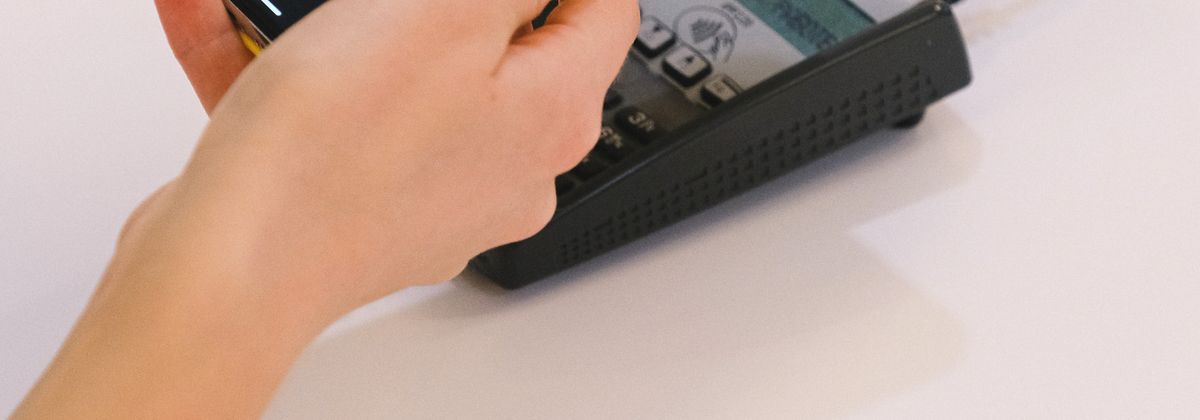
Rewards balances are an attractive target for fraudsters. These practical habits cover passwords, alerts, phishing messages, public networks and what to do quickly if something looks wrong with your card or points.
A rewards balance can be worth real money, and it often sits behind a login that is less protected than a bank account. Fraudsters know this. The good news is that a handful of habits, each easy on its own, make an account much harder to take over and much easier to recover if something goes wrong.
Why rewards accounts are targeted
Points and cashback can be redeemed for gift cards, merchandise or transfers, which are easy to turn into cash. People also tend to check these accounts rarely, so problems can go unnoticed for weeks. Card accounts themselves are worth protecting for obvious reasons, since a stolen number can be used for purchases.
Start with the login
- Use a unique password for each account. If one site is breached, a reused password lets attackers try it elsewhere.
- Make passwords long. A passphrase of several unrelated words is easier to remember and harder to guess than a short, complex one.
- Use a password manager if you can, since it removes the need to remember or reuse passwords.
- Turn on two-step verification where it is offered, using an app or a security key where possible. Text-message codes are better than nothing, but they can be intercepted in some cases.
- Keep your recovery email and phone current, and secure that email account as well, since it can reset all the others.
Set up alerts
Most issuers let you receive alerts by text or app notification. Useful ones include:
- Every transaction above a small amount.
- Any online or card-not-present purchase.
- Changes to your contact details or password.
- Redemptions of rewards.
- Payments due and payments received.
An alert for each purchase can feel noisy at first, but it lets you catch an unfamiliar charge within minutes. You can raise the threshold later if the alerts become too many.
The chart is a simple self-audit idea. Score your own accounts the same way and fix the lowest first.
Recognise phishing
Phishing messages try to make you act without thinking. Common signs include:
- Urgency. "Your points will expire today" or "Your account will be closed."
- A link to log in. Real issuers do not usually ask you to click a link in a message and enter your password.
- A request for full card numbers, PINs or one-time codes. An issuer calling you should not ask for a code that you received, because that code is meant to protect your account from them.
- A strange sender address or a mismatch between the name and the real address.
- Prizes you did not enter for, or rewards that require a fee.
- Poor spelling or odd formatting, although better-made scams look polished too.
If a message worries you, do not click it. Go to the issuer's website by typing the address yourself, or use the official app, and check your account there. You can also call the number on the back of your card.
Public Wi-Fi and shared devices
- Avoid logging in to financial or rewards accounts on public Wi-Fi when you can. Use mobile data or wait.
- If you must use a shared computer, log out fully and do not save passwords.
- Keep your phone and apps updated, since updates fix security flaws.
- Lock your phone with a passcode or biometric method, so that a lost phone does not open your wallet apps.
Protect the card itself
- Shield your PIN at machines and terminals.
- Be cautious about handing your card out of sight where you can, such as at restaurants. Use contactless or a portable terminal if available.
- Check card readers at fuel pumps and machines for anything that looks loose or unusual.
- Keep your card number, expiry and security code private, and avoid sending them by message.
- Review statements regularly, ideally weekly.
If something looks wrong
Act quickly. Speed makes recovery more likely.
- Contact the issuer using a number from the back of your card or the official website, not from a message.
- Report unauthorised transactions or redemptions, with dates and amounts.
- Change your password and update your recovery details, starting with the email account.
- Ask for a replacement card if the number may be exposed, and update recurring payments.
- Keep records of calls, emails and reference numbers.
- Report fraud to the relevant authority in your country if appropriate, and check your credit file if you think your identity was stolen.
Consumer protections for unauthorised use vary by country, card type and how quickly you report, so read the terms for your account.
Tidy up old accounts
Every shopping or rewards account you no longer use is a risk if it is breached. Once or twice a year, close accounts you do not need and remove saved card numbers from stores you rarely visit. Keep a short list of the accounts that hold balances, with where you log in, so you do not forget one.
For more on avoiding bad offers, see our guidance in the journal, and ask other shoppers in the community if you are unsure whether a message is genuine.
This article is general information, not security or financial advice. Security practices and consumer protections differ by country and provider, so follow your issuer's own guidance.
Frequently asked questions
Can someone steal my rewards points?
It is possible if they gain access to your account. Strong unique passwords, two-step verification and alerts reduce the risk. Report any unauthorised redemption to your issuer immediately.
How can I tell a real message from my issuer?
Avoid clicking links in messages. Go to the issuer's official website or app by typing the address yourself, or call the number on your card.
Should I use the same password for all my loyalty accounts?
No. A password reused across sites can let one breach affect all of them. Use a unique password for each and consider a password manager.
Ready to put this to use? Browse today's offers Share a deal you found
 Cashback and rewards explained: how to earn more and avoid the traps
 Putting a big purchase on a card: rewards, protections and a payoff plan