Is an outlet trip worth it? A worked cost comparison
By Today Offers Journal · Sep 8, 2026 · 5 min read
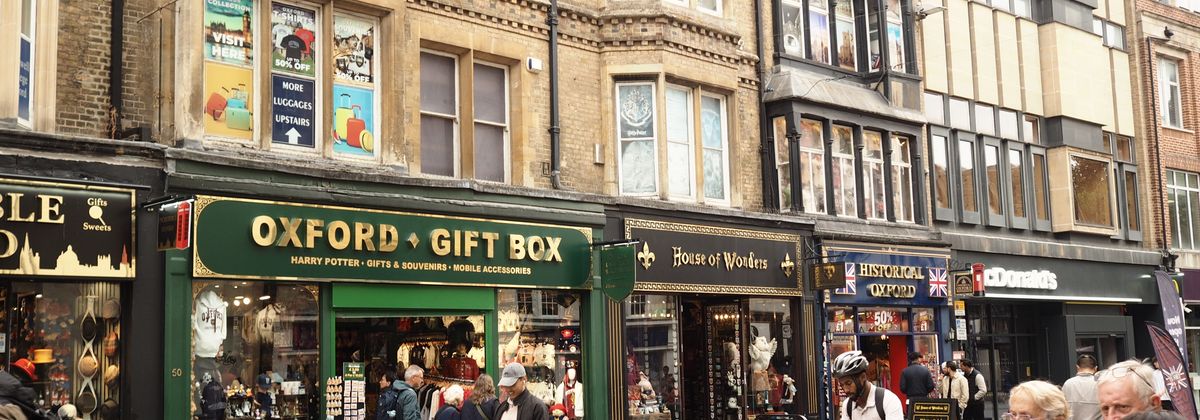
A big outlet discount can shrink once you add fuel, parking, time and impulse buys. Work through a simple cost comparison before you plan a long outlet trip.
An outlet centre often sits on the edge of a city or along a highway, and the trip can take an hour each way. The tags may be lower than in the shops near home. The question is whether the total saving is still there after you count what the journey costs. This article walks through a simple method with example figures, so you can plug in your own numbers.
Count the costs outside the price tag
A trip has costs that never appear on a receipt. Write them down before you leave.
- Travel. Fuel or fares, plus any tolls. For a car, a rough per-kilometre or per-mile cost is more honest than fuel alone, because wear and parking are part of the picture.
- Parking. Many outlet centres have free parking, but some city-edge and mall locations charge.
- Food and drink. A long day often means a meal out.
- Time. If you could be earning money, resting or doing something you value, the hours are worth something. Even if you do not put a dollar figure on them, note them.
- Extras. Items you did not plan to buy, which are the largest hidden cost for many shoppers.
None of this means outlets are poor value. It means the price on the tag is only part of the cost of the trip.
A worked example
Suppose you need winter boots, a work shirt and a kitchen item. In the shops near home, the three items cost $180 in total at ordinary prices. At an outlet an hour away, you find the same three for $135.
The gross saving is $45. Now subtract trip costs, using made-up figures:
- Travel for a round trip of 120 kilometres at an estimated $0.25 per kilometre: $30.
- Lunch: $14.
- Parking: $0.
The net saving is $45 minus $44, which is about $1. You spent most of a day to save a dollar. If you add an unplanned $25 purchase, you are down money.
Change one detail and the result flips. If you combine the trip with a visit to relatives, a planned stop for other errands, or a purchase list of $400 instead of $180, the same trip pays off. The same journey is poor value for a small list and good value for a large one.
Three ways to improve the result
You can tilt the numbers in your favour without turning shopping into a spreadsheet exercise.
- Increase the shopping list. A trip that covers several planned purchases spreads the fixed cost of travel across more items.
- Reduce the trip cost. Share the car with someone, travel off-peak, or check whether transit runs to the centre. A route that combines errands is worth considering.
- Raise the saving per item. Concentrate on large-ticket needs, such as footwear, outerwear or cookware, where a percentage difference becomes real dollars.
If a trip fails all three tests, buying near home or online is probably better.
Compare with the alternatives
The outlet is not the only low-price option. Before you commit to the trip, check at least two alternatives.
- Regular shop sale events. Many stores have predictable sale periods. Your target item may fall to a similar price near home.
- Online prices. Delivery costs and return rules matter, so include shipping and the cost of a return in your comparison.
- Local flyers and clearance racks. Check the flyers for your city for current promotions.
The cheapest option is often the one that needs the least extra effort. If a near-home sale comes within $10 of the outlet price, it will usually win once you count fuel and time.
A quick rule you can remember
A simple rule of thumb is that the expected net saving should be clearly bigger than the travel and food costs, with a margin for surprises. If the margin is thin, treat the trip as a day out rather than a savings plan, and spend accordingly.
Another useful habit is to set a limit before you arrive. Decide the maximum you will spend and which categories you will browse. A fixed budget protects you from the cheerful drift that happens when every tag looks reduced.
What to bring and what to check
A short checklist makes the trip more efficient.
- A written list with sizes, measurements and model codes.
- Photos of items you already own, so you do not duplicate them.
- A price floor for each item, based on your earlier research.
- Your coupons, loyalty cards and any outlet-centre offers saved on your phone.
- A plan for returns, including how far you would have to travel to exchange something.
That last point matters more than it seems. If an item turns out not to fit, a second trip doubles the travel cost. Some outlet items are final sale. If you are not sure about the size, you may be better off buying at a regular store with an easy exchange.
When the trip is clearly worth it
Some trips are good value without much calculation. You need several expensive items, the centre is close, parking is free, and you already know the regular prices. Or the trip is already happening for another reason. In those cases, the outlet is a bonus, and a few minutes of price checking will confirm the saving.
On the other hand, if the main attraction is a feeling of a bargain, treat the plan with care. A day of browsing is fine as an outing. It simply should not be presented to yourself as a way to save money.
Frequently asked questions
How do I put a cost on my time?
You do not have to. Simply note how many hours the trip takes and whether you would rather spend them elsewhere. If the net saving is small, time is the deciding factor.
Should I include the cost of impulse buys?
Yes, if they happen often. Track what you spend beyond your list on a few trips and use that as a realistic estimate.
Is it better to shop online instead of travelling to an outlet?
Sometimes. Compare the total after shipping and the cost of returns, and consider whether you need to try the item on first.
Ready to put this to use? Browse today's offers Share a deal you found
 In-store shopping tips that actually save money
 Buying gift cards from small shops: helping a business without taking on risk
 A category-by-category markdown calendar: when each aisle tends to get cheaper