If you think you have been scammed: a first-hour response plan
By Today Offers Journal · Oct 27, 2026 · 5 min read
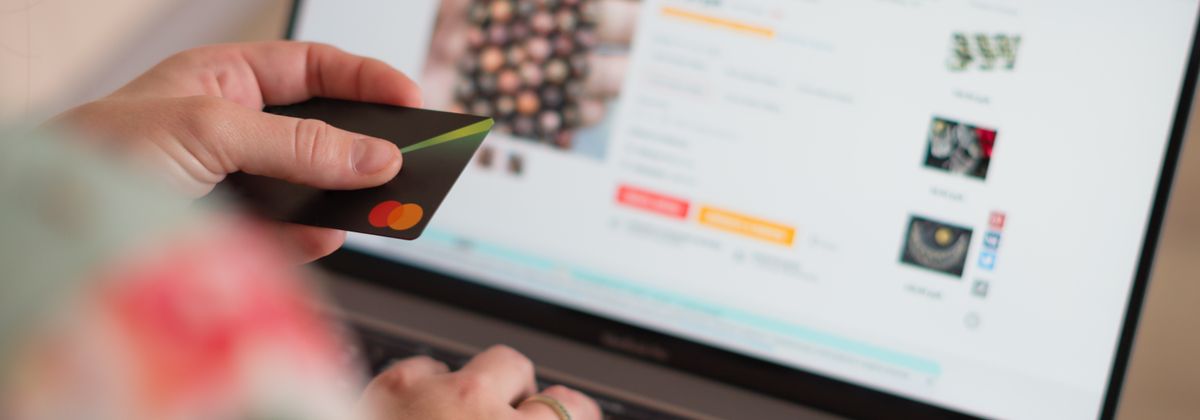
Quick, calm action in the first hour can limit damage after a scam or a compromised account. Follow this ordered plan, from stopping the loss to reporting and recovery.
Realising you may have been scammed is an awful moment: a mix of embarrassment, panic and the urge to fix everything at once. Scams are designed by professionals to work on careful people, so there is no need to blame yourself. What helps most is a clear order of actions. This plan is general information, since rules, reporting bodies and protections vary by country and region. Check official local sources for specifics.
Minute zero: stop the damage
Before anything else, make sure the situation is not getting worse.
- Stop all contact. Do not reply to the message, call back or click anything else.
- Do not send more money, even if the other party offers to "fix it" or says you must pay a fee to get a refund.
- Disconnect if something was installed. If you opened a file or allowed remote access, switch off Wi-Fi or unplug the network cable, and close any remote-control app.
- Take a breath. A few minutes of calm will save you more than speed alone.
The first fifteen minutes: protect money
Money moves fastest, so start there.
- Call your bank or card issuer. Use the number on the back of your card or the official app, not any number given by the scammer. Say what happened, what was taken and when.
- Ask them to block or replace the card if details were exposed, and to stop or recall any payment still pending.
- Ask about disputing or recalling the transaction. Time limits and chances depend on the payment method.
- For a bank transfer, ask whether the receiving bank can be contacted to freeze the funds. Speed matters.
- For gift cards, contact the card issuer with the numbers and the receipt, and ask whether the balance can be frozen.
- For crypto, contact the service you used. Recovery is difficult, but report it anyway.
Write down the time you called, the name of the person you spoke with and any reference number.
The next fifteen minutes: lock down accounts
If you entered a password, a code or personal details, assume that the information is in the wrong hands.
- Change the password for the affected account. Go to the real site by typing its address yourself.
- Change it anywhere you reused it. This is one of the reasons unique passwords matter.
- Start with your email, since it can reset everything else.
- Turn on two-step sign-in if it was off, and sign out of all other sessions or devices if the account allows it.
- Check account settings for new forwarding rules, new recovery addresses, new linked devices and new saved payment methods. Remove anything you did not add.
- If you gave a code to someone, treat the account as compromised and change the password immediately.
The rest of the hour: evidence and reports
Once the urgent steps are done, gather proof before it disappears.
- Take screenshots of the messages, the listing, the website, the payment confirmation and the sender details.
- Save emails with their full headers if you know how, or forward them to yourself.
- Write a short timeline: what you saw, what you did, when and how much.
- Report it. Most countries have an official reporting service for fraud or consumer complaints, and many police services accept online reports. Search for your country's official page. Report to the platform or store involved too, and to your email or phone provider if the scam arrived that way.
- Warn others by sharing the pattern of the scam, not personal details. You can post in the community so neighbours know what to watch for.
The next days: recovery and watching
- Watch your statements and credit file. Check accounts daily for a week, then weekly for a month. In many places you can place an alert or freeze on your credit file if personal data was exposed. Look at your national guidance for what is available.
- Expect follow-up scams. People who have been scammed are sometimes contacted by "recovery services" that promise to get money back for a fee. Treat these with great caution.
- Update your devices and run a security scan if anything was installed.
- Replace cards and documents if details that could be used for identity theft were shared. Ask your bank and the relevant authorities for advice.
- Keep your records in one folder until the case is closed.
If you shared identity details
If you gave a national identification number, a passport or a driving licence, contact the relevant authority about next steps. The right action varies by country, so look for official guidance.
Looking after yourself
Scams affect people emotionally. Shame keeps many victims quiet, which helps scammers. Tell someone you trust. If money was lost and you are struggling, speak to your bank about hardship options and consider local support services.
Preventing the next one
After the immediate steps, take ten minutes to strengthen your habits.
- Use a password manager and unique passwords.
- Turn on two-step sign-in for email and key accounts.
- Set purchase alerts on your cards.
- Use a virtual card number or a wallet for unfamiliar stores.
- Keep the checks from our guides on fake receipts and delivery texts handy.
For more routine guidance you can read the journal or use the FAQ.
Summary
In the first hour: stop contact, call your bank, change passwords, collect evidence and report. Then watch your accounts and look after yourself. Acting quickly gives you the best chance of limiting harm, and acting calmly keeps you from making a second mistake.
Frequently asked questions
Should I tell the scammer I know it is a scam?
There is no benefit. Stop contact, and do not reply or call back. Use the time to protect your accounts and report it.
Can I always get my money back?
No. It depends on the payment method, how fast you act and your local rules. Quick contact with your bank gives the best chance, but there are no guarantees.
Are recovery services that promise to get my money back legitimate?
Be very careful. Many are scams targeting people who have already lost money. Use your bank, official reporting services and, if needed, a regulated professional.
Do I need to report even a small loss?
Reporting helps authorities see patterns and may help others. It is worth doing even if the amount is small.
Ready to put this to use? Browse today's offers Share a deal you found
 The smart way to shop online: a checklist before you click buy
 Remote-area, oversize and fuel surcharges: the shipping extras that appear late