Journal / Cashback and rewards
How to spot fake cashback sites and reward scams
By Today Offers Journal · Nov 4, 2026 · 5 min read
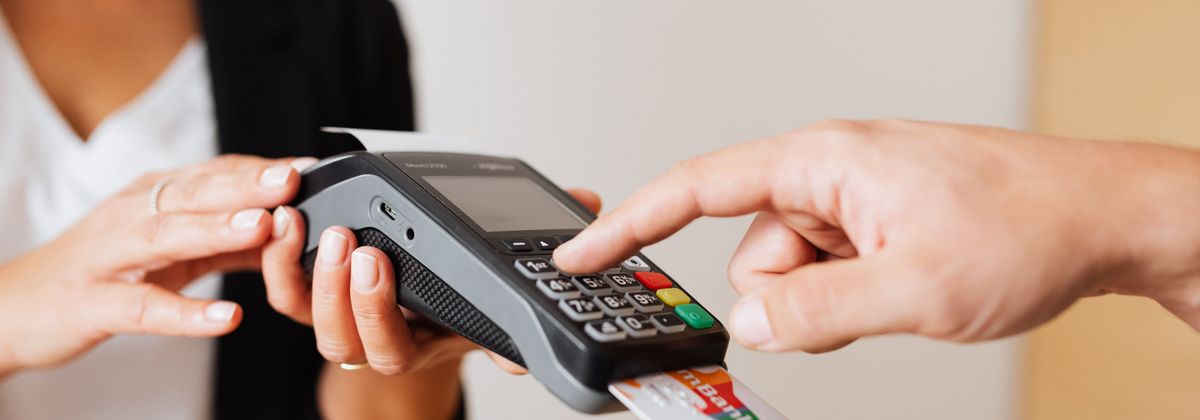
Most cashback services are legitimate, but fakes copy their look and promise too much. Learn the warning signs, the safe checks to run and what to do if you have already shared something you should not have.
Cashback and reward offers attract scammers for a simple reason: people expect to be paid for small actions, so a message promising a reward does not feel strange. Scammers copy that expectation. This guide lists the common warning signs, simple checks you can do in a few minutes and steps to take if something goes wrong.
The common patterns
Scams around rewards come in a handful of forms.
- Fake portals that look like real ones but exist only to collect your login details or payment information.
- Fake payout pages claiming you have a balance and asking you to pay a fee or share bank details to withdraw it.
- Phishing emails and texts that say your reward is waiting, expiring or on hold, with a link to a page that asks you to sign in.
- Impossible offers such as "50 percent cashback on everything", designed to excite you into acting quickly.
- Fake receipt or survey apps that promise large payments for tiny tasks, then never pay or collect data.
- Social media giveaways that ask you to share a post and enter personal information.
Red flags in the offer
- The reward is far too large. Cashback is normally a few percent. Huge rates on everything are not realistic.
- You must pay to receive money. A genuine service does not charge a fee to release your earnings. Be cautious about any small upfront payment.
- Pressure and deadlines. "Claim within 10 minutes" is a tactic to stop you thinking.
- Requests for sensitive details. A cashback service never needs your store passwords, your card's security code or your full banking login.
- Vague terms. If you cannot find clear rules about rates, tracking and payouts, be suspicious.
- Payment in gift cards or cryptocurrency on request. These are hard to reverse.
Red flags in the message or page
- Odd web addresses. A small misspelling, an extra word or an unusual ending can signal a fake. Type the address yourself, or use a bookmark you saved earlier, rather than clicking links in messages.
- Poor writing and mismatched branding. Not every scam has typos, but many do.
- Unexpected contact. A message about a reward from a service you do not use is suspicious.
- Generic greetings. "Dear customer" instead of your account name.
- Attachments from unknown senders.
Checks you can run in five minutes
- Look up the service yourself, rather than through the message. Search for its name and open the official site.
- Read the terms and privacy policy. Real services publish them in detail.
- Check how long it has existed, and what independent, varied feedback says. Be wary of pages with only glowing, repeated comments.
- Look for contact details and a clear process for complaints.
- Check the web address for a secure connection indicator, but remember that scam sites can have one too. It is not proof.
- Ask the community. Other shoppers may have seen the same message. You can ask in the community.
Safe habits
- Use unique passwords for each service and a password manager if you can.
- Turn on two-step sign-in where it is offered.
- Never reuse your email password on a cashback site.
- Keep your device and browser updated.
- Install extensions only from the official browser store, and check the developer.
- Do not send money to receive money.
What to do if you shared something
Act quickly but calmly.
- Passwords. Change the password on the affected account and anywhere else you used it.
- Card details. Contact your bank or card issuer, report the issue and ask about replacing the card.
- Banking login. Contact your bank straight away using the number on your card or official website.
- Gift cards. Contact the issuer immediately to see whether anything can be done, though recovery is often difficult.
- Report it. Most countries have a consumer protection or fraud reporting service. Look up the official one for your country, province or state.
- Watch your accounts for unusual activity over the following weeks.
This is general information, not legal or financial advice. Consumer protection and fraud reporting arrangements differ by country and region, so check local official guidance.
A realistic example
A shopper receives a text saying a $48 cashback balance is about to expire, with a link to claim it. The page asks for a card number "to verify identity" and charges a $2 fee to release the money.
The red flags are:
- The pressure of an expiry.
- A request for card details.
- A fee to receive money.
- A link in a text rather than a visit to the known site.
The safe response is to ignore the link, open the official portal by typing its address and look at the balance in the account. If there is nothing there, the message was fake. These details are an example.
Keep it balanced
Most cashback services are honest businesses and you do not need to avoid them. A bit of attention to the basics protects you. If you want to see current offers from verified listings, you can browse local offers.
Frequently asked questions
Should I ever pay a fee to withdraw cashback?
A genuine cashback service does not ask you to pay a fee to receive your own earnings. A fee request before payout is a strong warning sign.
How can I tell a real portal from a copy?
Type the address yourself or use a trusted bookmark, then check the terms, privacy policy and contact details. Do not rely on links in unexpected messages.
What if I already entered my card details on a fake page?
Contact your bank or card issuer straight away, using official contact details, and ask about blocking or replacing the card. Also change any passwords you shared.
Ready to put this to use? Browse today's offers Share a deal you found
 Cashback and rewards explained: how to earn more and avoid the traps
 Putting a big purchase on a card: rewards, protections and a payoff plan