How to shop the markdown and clearance shelf safely
By Today Offers Journal · Oct 22, 2026 · 6 min read
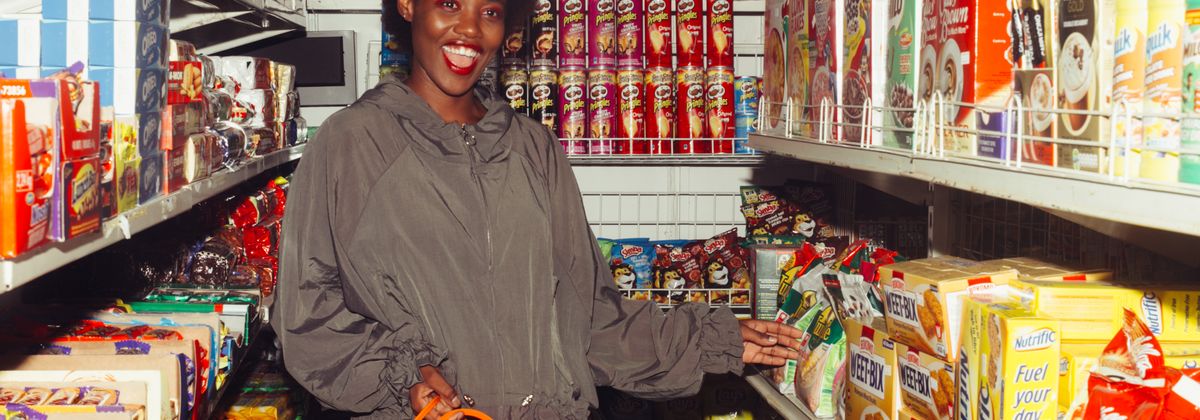
Reduced-price food near its date can be a real bargain, if you know what to check and what to cook right away. Learn how to judge dates, plan meals and freeze to make markdowns count.
Most grocery stores mark down food that is nearing the end of its shelf life. The discount may be small or large, and the food is often perfectly good. For a careful shopper, the markdown shelf can cut the cost of meat, bread, dairy and prepared foods. But a lower price is only a bargain if the food gets eaten, and it only works if the food is still safe. Here is how to approach it sensibly.
Know why items are marked down
Stores reduce prices for a few common reasons:
- The date is approaching. The item is close to its use-by or best-before date and the store wants to sell it before it expires.
- The package is damaged. A dented can or a torn box may be cheaper, though some damage affects safety.
- Stock is changing. A seasonal item, an old package design or a discontinued product may be cleared to make room.
- Overstock. Too many units were ordered, and the store wants to reduce inventory.
Each case needs a slightly different check. Date-based markdowns require you to think about timing. Damage-based ones require you to inspect the product carefully.
The key check: use-by versus best-before
Date labels do not all mean the same thing, and local rules vary. As a general guide:
- A use-by date is about safety. After that date, the food should not be eaten. If you buy a use-by item on the day before it expires, plan to cook or freeze it that day, subject to the packaging instructions.
- A best-before date is about quality. The food may still be safe to eat after the date if stored properly, but it may have lost some freshness or texture.
Check the label's storage instructions too. If the packaging says "freeze on day of purchase" or similar, follow it. When in doubt, follow the label and local food authority guidance, and do not buy if you cannot use the food in time.
Inspect the product
Before you place a markdown in your cart, look it over.
- Check the packaging. Avoid anything with swollen cans or lids, leaks, broken seals or heavy dents on the seams.
- Look at the item. Check for unusual colours, slime or mould.
- Smell where appropriate. A bad smell is a warning sign.
- Check the temperature. Chilled and frozen items should feel cold. If a frozen item seems partly thawed, leave it.
If anything seems wrong, leave it and tell staff. A small saving is not worth a risk.
Plan what you will do with it
The best approach is to decide before you buy. For each marked-down item, answer: when will I use it, and how?
- Meat and fish: cook the same day or freeze at once, in portions. Check that the packaging is suitable for freezing, or rewrap it.
- Bread and baked goods: slice and freeze, or turn into breadcrumbs, croutons or bread pudding.
- Dairy: use in baking, sauces or cooking, or check whether the product can be frozen. Many cheeses can be grated and frozen.
- Produce: use in soups, sauces, smoothies or stir-fries. Overripe fruit works well in baking.
- Prepared foods: eat that day or the next, following the label.
If you cannot name a use within a day or two, the discount is probably not worth it.
Do the maths
A reduction only helps if the food is eaten. Compare the price per portion you will use.
For example, a family pack of mince reduced from $10 to $6 saves $4. If you cook half and freeze half in time, the whole $6 buys two meals. If you cook half and throw away the rest, you paid $6 for one meal, which may be no cheaper than a regular small pack. You can use the same logic for any reduced item.
Also watch for the "bargain" that is no bargain. A markdown that remains more expensive per unit than another brand or the regular price of a smaller pack is not a saving. Check the unit price, as discussed in the guide to comparing unit prices.
Find out when markdowns happen
Stores differ in how and when they reduce prices. Many do so in the evening or early in the morning, but patterns vary, and some use stickers while others use an app. Staff can tell you roughly when the reductions go on, though they may not be able to say exactly.
You can adapt by shopping at a time that suits you and noting when reduced items tend to appear. If you plan around the markdown, keep your plan flexible. You may find a bargain on chicken but not on fish, and your meal can follow what is there.
For other discounts, check local offers and the weekly flyers. Regular promotions often offer fresher food with more days left, which suits planned meals.
Keep a freezer-friendly approach
A freezer turns a short-dated bargain into a long-term one. Keep some space free for these opportunities, and have bags, containers and labels ready. When you get home, portion, label and freeze right away. Do not wait until the next day.
When you later thaw the item, follow safe thawing practices, such as defrosting in the fridge, and cook promptly. General food safety guidance is available from your national or local food authority.
Avoid the traps
- Buying because it is cheap. A reduced treat you did not plan to buy is still an extra expense.
- Overbuying. One or two reduced items per trip is usually enough, unless you have a plan.
- Ignoring allergens and labels. Damaged packaging may hide labels, so check them.
- Forgetting about it. An item left at the back of the fridge defeats the purpose. Place it where you can see it, and make a note.
A simple routine
Make the markdown shelf one stop at the end of your regular shop, not a detour. Look for items that fit your plan, check dates and condition, and decide on a use. Buy only what you can use or freeze in time. In this way, you take the bargains that are real and skip the ones that are only tempting.
Frequently asked questions
Is it safe to eat food after its best-before date?
Often, if it has been stored correctly and looks and smells normal, but it is a quality guide rather than a safety one. For use-by dates, do not eat the food after the date.
Should I freeze marked-down meat?
If you will not cook it that day, freezing promptly in portions is a common approach. Follow the packaging instructions and local food safety guidance.
How do I know when markdowns happen?
It varies by store. Staff may be able to tell you roughly when items are reduced, and you can learn the pattern by noticing when reduced stickers appear.
Ready to put this to use? Browse today's offers Share a deal you found
 A grocery savings plan: flyers, unit prices and loyalty offers
 When a loyalty program changes its rules: how to react without panic
 Slow cooker, rice cooker or air fryer: which small appliance pays for itself?