How to plan a mall trip: parking, offers and where to start
By Today Offers Journal · Oct 19, 2026 · 5 min read
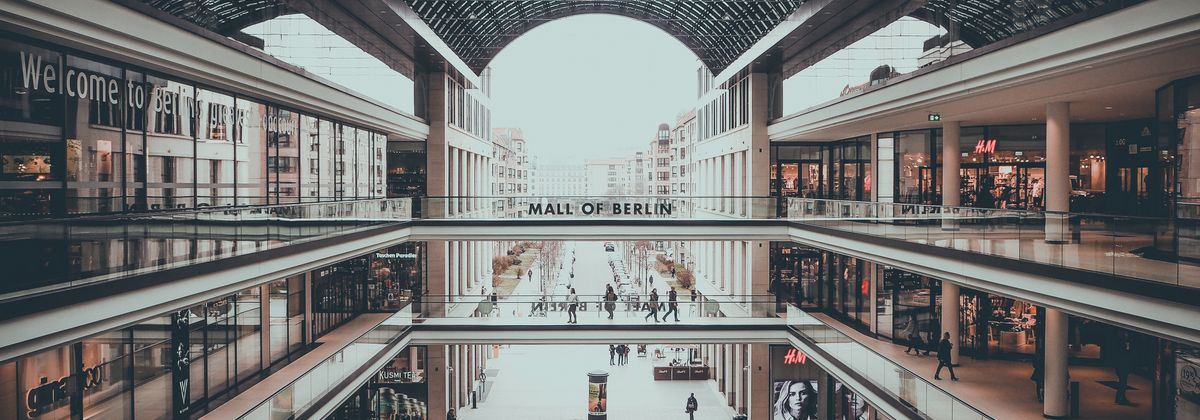
Malls put many stores under one roof, which helps and tempts at the same time. Plan parking, the order of your stops and your limits so a mall visit stays short and on budget.
A mall or shopping centre brings dozens of stores together, so you can compare, return and buy in a single visit. It is also built to keep you inside for as long as possible. With a little planning, you can use the convenience and avoid the drift.
Decide why you are going
There are two common reasons to visit a mall. One is a target trip: you need particular items, such as shoes for a child or a gift for a friend. The other is a browse trip: you want to look around or spend time with someone. Both are fine, but they need different plans.
For a target trip, write down the items, the stores that probably stock them and a budget. For a browse trip, set a small allowance and a time limit, and agree it with whoever is with you. Mixing the two without saying so is how a quick errand turns into a large bill.
Check parking and access first
Parking can change the cost and the mood of the trip.
- Free or paid? Some malls charge by the hour, some by the day and some offer a free period. Check before you leave.
- Where will you park? A space near the entrance you need saves walking, especially with heavy bags or children. An outer lot is often free or cheaper.
- Is there validation? Some stores or services validate parking when you spend. Ask at the till or check the mall's website.
- What are the hours? Mall opening hours may differ from individual store hours, and car parks may close earlier or later.
- Transit and accessibility. Check bus or train links and the location of accessible entrances and lifts.
Note where you parked, by photo or a landmark. A large car park looks different when you return with bags.
Use the directory and website
Most malls publish a directory, either on a screen at the entrance or online. Before you leave, find your target stores and check where they are relative to each other. Note which are on which floor, and whether any are closed or moved. This avoids a lot of walking.
Many malls also list current offers, events and sale periods for their stores. You can combine that with the flyers for your city and your own list.
Pick your route
Order your stops to reduce backtracking.
- Start with the most important store. Deals can sell out, and your energy is highest at the start.
- Group stores by area or floor. One sweep per floor is quicker than zigzagging.
- Leave food and heavy purchases for last. Cold items and heavy bags are better at the end, near the exit.
- Do returns first, if the store policy allows, so that credit is available for the rest of the trip.
- Put a break in the middle if the trip will last more than an hour.
Set limits inside the mall
A mall invites you to browse, so decide the rules before you enter.
- A spending limit, tracked as you go, either on paper or in a phone note.
- A time limit, so that a one-hour trip does not become three.
- A "waiting rule" for anything unplanned. Take a photo, note the price and leave. If you still want it after a day, you can return.
- A food plan. Eat before you go or bring a snack, since food courts add up and hunger weakens willpower.
If you are with children or friends, say the plan out loud before you start. It is easier to keep to a rule that everyone agreed to.
Look for real value, not mall sparkle
Malls often feature large banners and displays. Treat these as advertisements. To check whether a deal is genuine:
- Compare the price with what you know the item normally costs.
- Check the terms, including exclusions and dates.
- Look at similar items in two or three stores before you commit.
- Check unit sizes and quality, and look at the return policy.
Seasonal sales can be good value, but they also create pressure. If you feel rushed, step out and decide later.
Use mall services wisely
Some malls offer services that make shopping easier: lockers or parcel holding, gift wrapping, customer service desks and lost property. Some have free events or kids' areas. Check the website, and ask what is free and what is paid.
If you are shopping with a stroller, wheelchair or walker, look for lifts, wide aisles and rest areas. These details matter more than a small discount.
After the trip
Review your receipts and compare them with your plan. Did you stay within budget? Did you buy something unplanned? Was the parking cost what you expected? A short note will help you plan the next mall trip better. Also consider whether a mall trip was better than separate local trips, using the logic in our guide on what a store trip really costs.
If you are not sure which stores in a mall are worth visiting, ask other local shoppers in the community.
Frequently asked questions
Is mall parking usually free?
It varies. Some malls are free, some charge by time and some validate parking with a purchase. Check the mall's website or signs before you go.
How can I avoid overspending at a mall?
Set a spending and time limit before entering, bring a list and use a waiting rule for unplanned items.
Should I shop at the mall or at standalone stores?
It depends on prices, parking and convenience. Compare the total cost, including travel and time, for your particular trip.
Ready to put this to use? Browse today's offers Share a deal you found
 In-store shopping tips that actually save money
 Buying gift cards from small shops: helping a business without taking on risk
 A category-by-category markdown calendar: when each aisle tends to get cheaper