How to cut food waste with a first-in, first-out fridge
By Today Offers Journal · Oct 10, 2026 · 5 min read
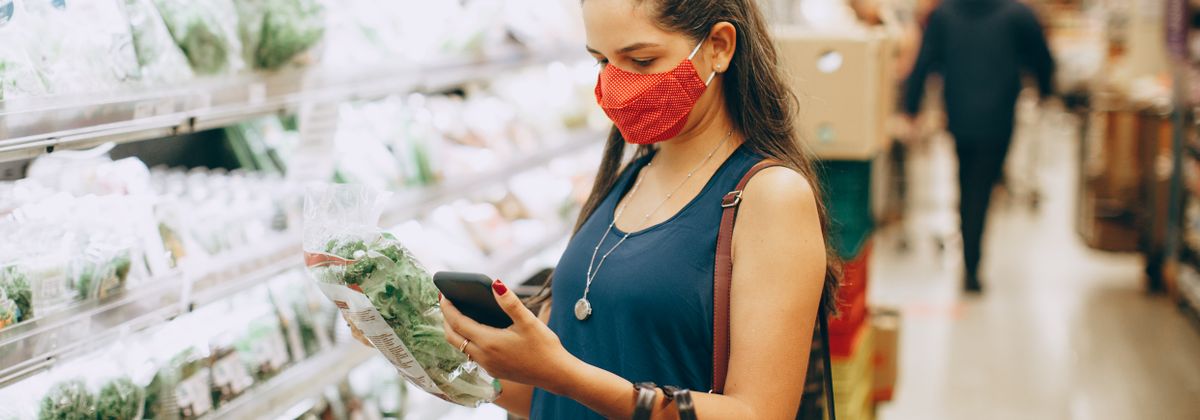
Food that goes in the bin is money you have already spent. A simple first-in, first-out fridge and a few labelling habits help you eat what you buy while it is still good.
Everyone has thrown away a wilted bag of greens or a forgotten tub of leftovers. It feels small each time, but across a year the cost is real, because every item was paid for at the till. Reducing waste is one of the cheapest ways to cut the grocery bill, since it does not mean buying less food you want. It means eating more of what you already bought. A well-organised fridge is the foundation.
The first-in, first-out idea
First in, first out, often shortened to FIFO, is a stock-control method used in shops and kitchens. The oldest items sit at the front and get used first. New items go behind them. At home, the principle is the same, and it only needs a few small changes in how you put groceries away.
When you unpack a shop, do not push new items in front of old ones. Take a moment to move older packages forward, put the new ones behind and check dates as you go. It adds a minute or two and prevents the slow build-up of forgotten food.
Set up zones in the fridge
A fridge works better when each area has a purpose. You do not need special equipment, only a few simple rules.
- A "use first" shelf or box. Place anything that needs eating soon here, at eye level. Whoever is hungry looks here first.
- Ready-to-eat foods up high. Leftovers, dairy and items that need no cooking go on the upper shelves.
- Raw meat and fish on the bottom shelf, in sealed containers, so juices cannot drip onto other food.
- Produce in the drawers, with the more delicate leaves apart from sturdier items if your fridge allows.
- Condiments and sauces in the door, where temperatures vary a little more.
Check the instructions or the label on each item for the right storage. Some produce, such as tomatoes and onions, does better outside the fridge.
Understand the date labels
Date labels cause a lot of unnecessary waste, because people treat them all the same. The wording and rules differ by country, so check the guidance from your local food authority. In general:
- Use-by dates are linked to safety. Do not eat the food after this date, and follow storage instructions.
- Best-before dates are about quality. The food may be past its best, but is often still safe if it has been stored properly and looks and smells normal.
Using your senses is sensible for best-before foods, but it is not a substitute for care with high-risk items such as cooked meat, fish and some dairy. When you are not sure, follow the label and local guidance.
Make a "waste log" for two weeks
To see where your waste comes from, keep a quick record. Each time you throw away food, write what it was and roughly what it cost. Do not judge yourself, just collect the facts.
After two weeks, look for patterns. Maybe salad always wilts, or bread goes stale, or a type of leftover is rarely eaten. Each pattern points to a change:
- If greens wilt, buy a smaller bag, use frozen vegetables more or switch to sturdier greens.
- If bread goes stale, freeze half the loaf as soon as you get home.
- If leftovers are ignored, cook smaller amounts, or plan a leftover night.
- If dairy expires, check dates before you buy and consider smaller containers.
In the example chart, the total is $17 a week, which would be about $884 over a year if the pattern did not change. Small improvements in even one area are worth the effort.
Shop with the fridge in mind
Waste often starts at the shop. If your fridge is already full, extra food will push older items to the back. Before you shop, look at what you have, and buy only what fits into the week's plan. A short list, based on a meal plan, makes this easier. If you want a method, see the guide to building a weekly plan around sale items.
Check the dates on food before you buy, especially on discounted items. Marked-down food can be a good bargain if you will eat it soon, but it has less time left. The local offers page can show you short-dated bargains as well as regular promotions.
Store food well
Good storage extends the life of food. A few general habits help:
- Keep produce dry, and store herbs like flowers in a jar or wrap them in a damp cloth, depending on the type.
- Seal opened packages tightly, using clips, containers or bags.
- Freeze bread, cooked portions and ripe fruit before they spoil.
- Keep the fridge at a safe, cool temperature as recommended in your local guidance, and avoid overfilling so air can circulate.
Rescue meals for the week's end
At the end of each week, you will probably have a mix of odds and ends. Plan a rescue meal to use them up. Soups, stir-fries, frittatas, fried rice, pasta bakes and smoothies are good for this, because they are flexible and forgiving.
Keep a short list of rescue recipes on your phone or the fridge door. When you see wilted vegetables or the last of the cheese, you do not have to think. You just pick one.
Keep it simple
The goal is not a perfectly ordered fridge. It is a fridge where you can see what you have, and where the food that needs eating is at the front. If you do only three things, make them these: put older items in front, label leftovers with dates and keep a "use first" spot. Those three habits catch most of the food that would otherwise be lost.
Frequently asked questions
What is the difference between use-by and best-before?
A use-by date relates to safety, so do not eat the food after it. A best-before date relates to quality, and food may still be fine after it if stored properly. Check your local food authority for the exact rules.
Where should I keep raw meat in the fridge?
On the bottom shelf in a sealed container, so that juices cannot drip onto other foods.
How can I tell how much food I waste?
Keep a simple log for two weeks, noting what you throw away and its approximate cost. Patterns show where to change your shopping or storage.
Ready to put this to use? Browse today's offers Share a deal you found
 A grocery savings plan: flyers, unit prices and loyalty offers
 When a loyalty program changes its rules: how to react without panic
 Slow cooker, rice cooker or air fryer: which small appliance pays for itself?