Fun money: how to budget a guilt-free personal allowance
By Today Offers Journal · Nov 11, 2026 · 5 min read
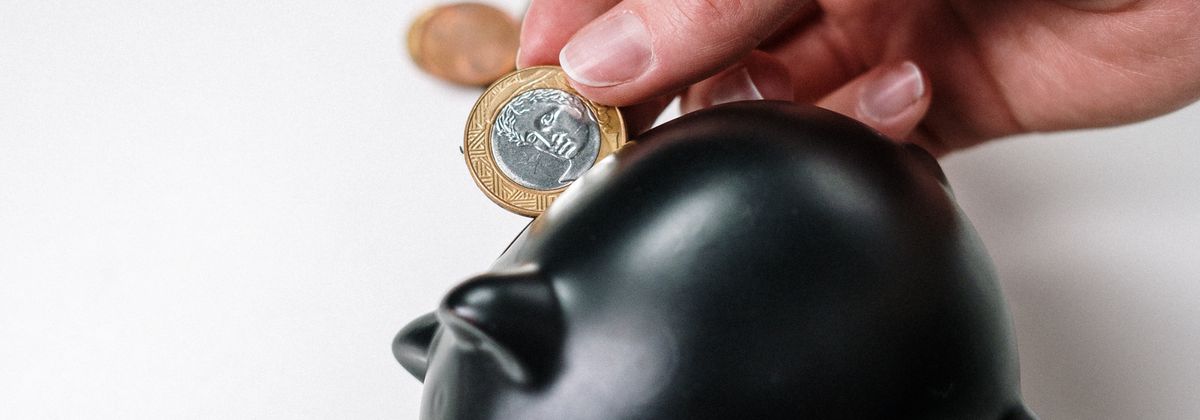
A small, fixed amount of money you can spend on anything makes a budget easier to keep. Learn how to size it, where to keep it and how to enjoy it without guilt.
Ask people why their budgets failed and a common answer is that the plan left no room to enjoy anything. Strict limits on everything feel manageable for a week or two, then a coffee, a book or a night out breaks the rules and the whole system is dropped. Fun money solves this problem by making enjoyment part of the plan. It is a set amount, decided in advance, that you can spend on anything you like, without explaining or feeling bad about it.
What fun money is, and what it is not
Fun money is a personal allowance. It is not your grocery money, your savings or a reward you earn by cutting other things. It is a regular, named line in your budget, as real as rent.
Because it is planned, it is different from impulse spending. Impulse spending takes money from somewhere else and often comes with regret. Fun money has been set aside, so spending it is a decision that the budget has already approved.
The point is not that spending is good in itself. The point is that people who feel deprived tend to overspend later, and a modest planned amount protects the larger plan.
How much to set aside
There is no correct figure, but you can reason your way to a reasonable one.
- Look at what you really spend on non-essentials. Track a month of coffee, snacks, hobbies, entertainment, small gifts to yourself and similar items.
- Decide what you would keep. Highlight the spending you enjoyed and the spending you barely noticed.
- Set a starting amount between the two. If you spent $180 and enjoyed about $120 of it, begin at $120 to $150.
- Check it against the whole budget. The amount must fit after essentials, savings and sinking funds. If it does not, reduce it a little, rather than removing it.
Some households give each adult the same amount. Others set different amounts according to income or interests. What matters is that both feel it is fair.
Where to keep it
Choose a method that makes the amount visible.
- A separate account or card. Transfer the allowance on payday. When the balance is zero, you are done until next month.
- Cash. The envelope method suits fun money, because you can feel it shrink.
- A labelled line in your tracker. Record purchases against it and watch the remaining balance.
- A prepaid or reloadable card, if you prefer one. Check fees and terms, which differ by provider and country.
Keeping fun money apart from your main account has a second benefit. You do not need to check each purchase against the household budget. The big plan is already protected.
Rules that make it work
A few simple rules keep fun money from becoming a loophole.
- No justification needed. It is yours to spend. If you have to explain each purchase, it is not an allowance.
- No borrowing from other categories. If the money runs out, wait. Do not take from groceries or bills.
- Rollover is allowed, if you choose. Unspent money can carry forward and build toward something larger, such as a hobby item or a day out. Or it can go back into savings. Decide the rule in advance.
- No guilt on either side. Do not feel bad about spending it, and do not judge a partner for how they spend theirs, within the agreed limit.
- Review it now and then. If you have a lot left over every month, reduce it and move money to a goal. If it is always gone in a week, ask whether the amount is too low or something else is going on.
Making fun money go further
Enjoyment does not always need a high price. A few ideas help your allowance stretch.
- Plan the treat. Decide in advance what you will spend it on. Anticipation is part of the enjoyment.
- Check for discounts on things you already enjoy. Local offers on cinema, food, classes or hobby supplies can lower the cost of what you would buy anyway. Treat this as a bonus, not a reason to buy more.
- Use cost per use. Items you use often give more value per dollar than one-off purchases, as our cost-per-use guide explains.
- Save for something bigger. A few months of rollover can buy something you would not afford in one go.
- Try low-cost enjoyment. Libraries, free events, parks and community groups cost little and still count.
Fun money and shopping temptation
Fun money has a particular role in shopping. When you see something you want that is not a need, you have a clear question: does it fit in my allowance? If the answer is yes, buy it with a clear conscience. If not, put it on a list and wait until the amount grows, or until a lower price appears. That is much easier than a vague feeling of "should I or shouldn't I". The answer is already built into the plan.
When money is very tight
If your budget barely covers essentials, you may think a fun-money line is unaffordable. Even so, a very small amount, such as $5 or $10 a week, can help make the plan sustainable. It signals that you are a person as well as a budget. If even that is impossible, look for free enjoyment and treat it as part of your plan.
Keep it honest
Fun money is not a trap door for guilt-free overspending. If you find yourself wanting more than the amount, that is information. It may mean that your allowance is too low, that you are using spending to cope with stress, or that you are surrounded by marketing. Notice what you feel, and decide whether to adjust the amount or the habits.
Frequently asked questions
How much fun money should I have?
It depends on your income and priorities. Start with what you currently spend on non-essentials, keep the parts you enjoy, and make sure the amount fits after essentials and savings.
Can I roll unspent fun money into next month?
Yes, if you decide so in advance. Rollover lets you save for something bigger. Another option is to move leftover money to a goal.
Should couples each have fun money?
Many do, and it reduces arguments over small purchases. Agree on amounts that both people feel are fair.
What if I run out before the month ends?
Wait until the next allowance. Borrowing from other categories defeats the purpose, and a pattern of running out early is a signal to review the amount.
Ready to put this to use? Browse today's offers Share a deal you found
 Cost per use: the simple habit that stops impulse buying
 Windfalls and found money: rules for refunds, bonuses and gift cash
 Growing your buffer from $500 to one month of essential costs