Fresh, frozen or canned: comparing the real cost of vegetables
By Today Offers Journal · Oct 19, 2026 · 5 min read
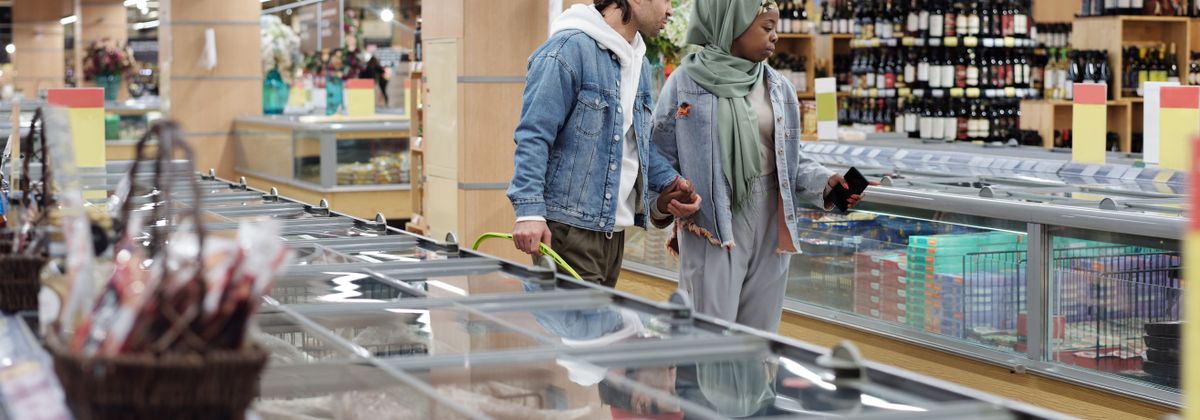
Fresh vegetables are not always the cheapest, and frozen or canned ones are not always second best. Compare cost per edible serving, including waste, to choose the right form each week.
Vegetables are good for you, and they can also take a large share of a grocery bill. Many shoppers assume that fresh is the best option and frozen or canned is a fallback. In reality, the right form depends on the vegetable, the season, the price and how fast you will eat it. The way to decide is not by shelf price alone, but by the cost of each edible serving after waste.
Why shelf prices mislead
A shelf price tells you what you pay for the package. It does not tell you what you can eat. Several things get in the way.
- Peel, stem and core. Fresh produce loses some weight when you trim and peel it.
- Spoilage. Fresh items may wilt or spoil before you use them.
- Liquid. Canned vegetables include liquid, and the label may show a drained weight as well as a total weight.
- Prep. Frozen vegetables are often washed and chopped, so there is less waste and less work.
The fair comparison is the cost per serving that ends up on the plate. A serving size is a matter of preference, but you can use a standard such as a cupful or about 80 to 100 grams, and compare each form on that basis.
A worked comparison
Here is an example using green beans. All prices are illustrative.
- Fresh: $4.00 per 500 g. About 10 percent is trimmed off, and you expect to waste another 15 percent because some goes limp. That leaves about 375 g edible, or about 4 servings of 90 g. The cost is about $1.00 per serving.
- Frozen: $3.00 for 500 g, with almost nothing wasted. That is about 5 servings, or about $0.60 per serving.
- Canned: $1.50 for a can with about 250 g drained weight. That is about 2.5 servings, or about $0.60 per serving.
In this example, fresh costs more per serving because of waste. In season, with a sale price and eaten quickly, the order could easily reverse. This is why it pays to recalculate occasionally rather than rely on a rule.
When fresh makes sense
Fresh vegetables have a strong case in several situations.
- In season and locally available, when supply is high and prices drop.
- On sale in the flyer, especially for sturdy vegetables like carrots, cabbage, onions and potatoes, which keep for a long time.
- When texture matters, such as salads and raw dishes, where frozen and canned versions are not a substitute.
- When you will use them within a day or two, so that spoilage is not an issue.
Plan the week so that the most delicate items, such as leafy greens, are eaten early, and use the sturdier ones later.
When frozen is a smart choice
Frozen vegetables are usually frozen soon after picking, and you can use as much or as little as you want. They shine in these cases:
- Soups, stews, stir-fries and sauces, where texture changes are not noticeable.
- Households that struggle to use fresh produce in time.
- Off-season periods, when fresh prices are high.
- Backup meals, since a bag in the freezer means a vegetable side is always available.
Check the ingredient list. Plain frozen vegetables should contain just the vegetable, but some mixes include sauces or seasoning that add cost and may add salt or fat.
When canned has a role
Canned vegetables are shelf-stable, inexpensive and ready to use. They are handy for tomatoes, beans, corn and some other items. A few notes:
- Check the label for added salt or sugar, and rinse if you want to reduce it.
- Compare drained weight, not just total weight.
- Use them in cooked dishes, where texture matters less.
- Store them in a cool, dry place, and check dates and the condition of cans.
Canned tomatoes, for example, are used so widely in cooking that they are often better value than fresh out of season. But always test with your own recipes, since your needs may differ.
Mix and match through the week
You do not need to choose one form. A flexible approach might look like this:
- Early in the week, use the delicate fresh items you bought.
- Mid-week, add sturdy fresh vegetables, such as carrots or cabbage.
- Late in the week, rely on frozen vegetables and canned goods from the pantry.
This pattern uses each form at its best and cuts waste. It also helps you stay within a budget without giving up variety.
Use the flyer to guide the choice
Weekly flyers often feature fresh produce at lower prices, and sometimes frozen or canned items too. Compare the sale price against your usual price per serving. If fresh broccoli is cheap this week, buy it and eat it early. If it is expensive, use frozen. You can also browse local offers for multi-buy discounts on frozen vegetables, which are good candidates for stocking up.
A quick checklist
- Choose a standard serving size.
- Estimate waste for fresh produce, based on your own habits.
- Divide the price by the number of edible servings for each form.
- Check labels for added salt, sugar or sauces.
- Pick the form that fits the dish and your schedule.
The cheapest vegetable is the one that you eat. A fresh bag that goes mouldy in the drawer costs more than a frozen bag that you finish. If you match the form to your week, you will usually find the saving without any sacrifice.
Frequently asked questions
Is frozen produce less nutritious than fresh?
It is not necessarily less nutritious, as vegetables are often frozen soon after harvest. Nutrition varies with the food and storage, so a mix of forms is a sensible approach.
How do I compare canned and fresh vegetables?
Use the drained weight for canned goods and an estimate of edible weight for fresh ones, then compare the cost per serving.
When is fresh produce the best buy?
When it is in season, on sale and eaten quickly, or when texture matters, as in salads and raw dishes.
Ready to put this to use? Browse today's offers Share a deal you found
 A grocery savings plan: flyers, unit prices and loyalty offers
 When a loyalty program changes its rules: how to react without panic
 Slow cooker, rice cooker or air fryer: which small appliance pays for itself?