Journal / Cashback and rewards
Foreign transaction fees and travel rewards: counting the whole cost
By Today Offers Journal · Oct 6, 2026 · 5 min read
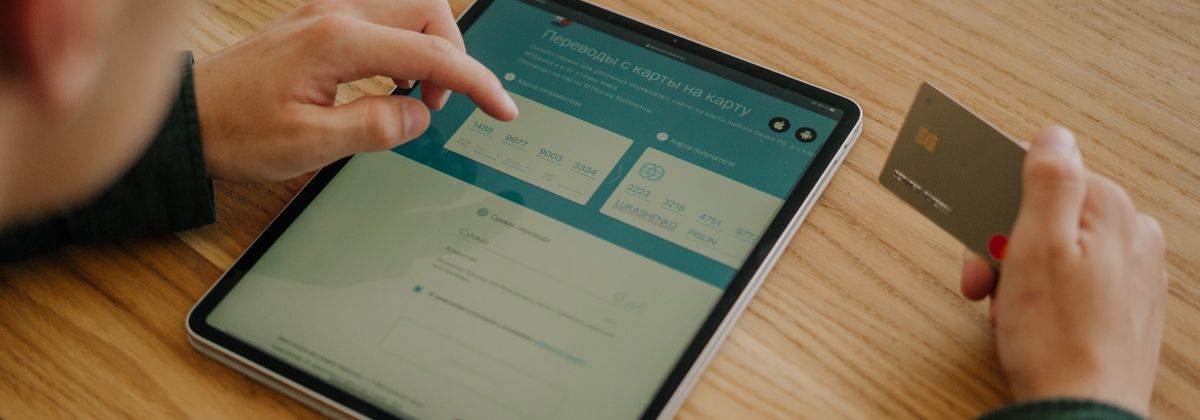
A good reward rate can be erased by currency conversion charges when you shop abroad or online from foreign stores. Learn where the costs come from and how to compare payment options before you pay.
Rewards look best on paper. A 2% return sounds fine until a 2.5% foreign transaction fee quietly takes it back. Shoppers in Canada, the US, the UK and elsewhere meet currency charges more often than they expect, not only on holidays but whenever they buy from an online store that bills in another currency. Knowing where the extra cost comes from lets you decide if the reward still wins.
Where the cost can come from
When you pay in a currency other than your card's, several things may happen.
- The exchange rate. The card network or issuer converts the amount using a rate that includes a margin over the market rate. The margin can be small or larger depending on the provider.
- A foreign transaction fee. Many cards add a percentage fee on top of the conversion. Some cards waive it. The fee is shown in your card's fee schedule.
- A currency conversion offer at the till. A merchant or ATM may offer to charge in your home currency. This is sometimes called dynamic currency conversion. It looks convenient, but the rate used may be less favourable than your card's own.
- ATM and cash fees. Cash withdrawals often cost more than purchases and may attract interest from day one on credit cards.
None of these is hidden, but they are easy to miss if you only look at the headline rewards.
A worked example
Suppose you buy something priced at 200 in a foreign currency and the market conversion is $1.30 per unit, which makes the base cost $260. These numbers are invented.
- Card A earns 2% and charges a 2.5% foreign transaction fee.
- Card B earns 1% and has no foreign transaction fee.
Assume the exchange margin is the same for both.
- Card A: fee $6.50, reward $5.20, net cost -$1.30, meaning it costs $1.30 more than the base price.
- Card B: fee $0, reward $2.60, net gain $2.60.
In this example the lower-reward card comes out $3.90 ahead. At larger amounts the gap grows. Your fees, rates and margins will differ, so redo the sum with your own numbers.
Choosing the currency at checkout
When a store or terminal asks whether to pay in your home currency or the local one, the usual advice is to choose the local currency and let your card do the conversion. Your card's rate is generally set by the network or issuer and is often more favourable than a merchant's own conversion, though this is not guaranteed. If you are unsure, compare the two totals and check your card's terms.
Online shopping from other countries
Currency charges are not only for travel. If a website bills in a foreign currency, your card may treat the purchase as foreign even if you never leave home. Look for:
- The currency shown at checkout. If it is not your own, expect conversion.
- Fees on the final screen, such as import duties, taxes and shipping, which may be added later.
- Your card's foreign transaction rule, which usually applies to any purchase with a foreign merchant.
- Return conditions. A refund may be converted at a different rate, so you could lose a little on a return.
Browse local offers to check whether a domestic store carries the same item, because a local seller can remove conversion costs completely.
Options for spending abroad
- A card with no foreign transaction fee and a decent reward rate, which many people prefer for travel.
- A travel or multi-currency prepaid card, loaded in advance. Check load fees, withdrawal fees and what happens to leftover money.
- Cash from a bank ATM, which may avoid some costs but can have its own fees.
- Mixing methods. Using a no-fee card for most purchases and a little cash for small items is common.
Each method has costs and protections that differ by country, so read the terms for your own accounts.
Travel rewards: do they pay?
A travel-focused card may offer a high earn rate, no foreign fee and some perks, but may also carry an annual fee. Value it as you would any rewards card: estimate the yearly spending, the rewards at a realistic redemption value and the fee. Count perks only if you will use them. For a person who travels once every few years, a simple no-fee card may beat a fancy travel card.
A pre-trip checklist
- Find your card's foreign transaction fee in the fee schedule.
- Check whether another card you hold has no such fee.
- Tell the issuer about your travel dates if they require it, to avoid blocked cards.
- Carry a backup payment method in case one card fails.
- Choose the local currency when asked at checkout.
- Keep receipts until the charges have posted.
This article is general information, not financial advice. Fees, exchange margins and protections differ by card, issuer and country. Prices and numbers here are examples only.
Small habits that limit the damage
A few simple habits help whether you travel or shop online from abroad. Decline any offer that adds an unclear fee, and ask staff to show the total in the local currency before you tap. Keep an eye on pending transactions, since the final converted amount can differ slightly from the first one shown. If you often buy from the same foreign seller, consider whether the total, including conversion, is still lower than a domestic option. Finally, note that rules about how issuers must disclose these charges differ between countries, so the fee schedule that came with your card is your best reference.
Frequently asked questions
Should I pay in my home currency when asked abroad?
Usually it is better to pay in the local currency and let your card convert, since the merchant's conversion rate is often less favourable. Compare the totals if you can and check your card terms.
Do foreign transaction fees apply to online purchases?
They often do when the merchant is based abroad or bills in another currency, even if you never travel. Check your card's fee schedule.
Are no-foreign-fee cards always the best for travel?
They remove one cost, but you should still compare the annual fee, earn rate and exchange margin before choosing.
Ready to put this to use? Browse today's offers Share a deal you found
 Cashback and rewards explained: how to earn more and avoid the traps
 Putting a big purchase on a card: rewards, protections and a payoff plan