Farmers' markets on a budget: when they save money and when they do not
By Today Offers Journal · Sep 4, 2026 · 5 min read
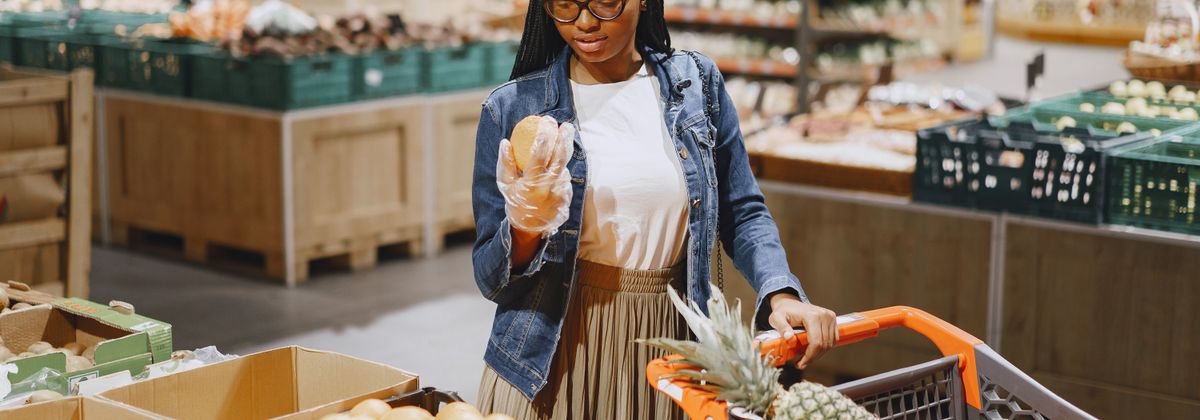
Farmers' markets can be a bargain or an expensive treat. Learn which items tend to be good value, how to compare with the supermarket and when to arrive for the best prices.
Farmers' markets have a reputation for being pricey, and some stalls certainly are. Others sell seasonal produce for less than the supermarket, especially in the peak weeks of a crop. The difference comes down to what you buy, when you arrive and how you compare. Treat the market as one more place to shop by price, not as a special outing where cost does not matter.
What markets are good at
Markets tend to do well on a few kinds of items.
- Peak-season produce. When a grower has a field full of something, selling it by the box or bag is often cheaper than selling it by the piece.
- Fresh, short-lived items. Salad greens, herbs, berries and soft fruit often last longer when they come straight from the grower, which means less waste.
- Eggs and some dairy. Prices vary, but eggs in particular are often competitive with higher-priced supermarket options.
- Odd sizes and "seconds". Bruised, misshapen or oversized produce is often sold at a lower price and is fine for cooking, sauces and freezing.
Markets are less likely to win on pantry staples, packaged goods and anything that is out of season locally, since those may be resold from elsewhere.
What markets are not good at
It helps to be honest about the downsides.
- Small stands can charge more per unit for premium or specialty items.
- Not every stall grows what it sells. Some resell wholesale produce, which can be priced like a shop. If it matters to you, ask politely where something was grown.
- Prices are rarely marked as unit prices. You often have to do the arithmetic yourself.
- Many sellers prefer cash or specific payment apps. Know what is accepted before you go.
A simple way to compare prices
Before you buy, convert everything to the same unit. Most stalls price by the piece, the bunch or the basket, while stores price by weight.
- Ask the weight of a basket or bunch, or weigh a typical item yourself if there is a scale.
- Divide the price by the weight to get a price per kilogram or pound.
- Compare it with the same item in a recent flyer or on your regular shelf.
Say a basket of tomatoes is $6 for what the seller says is 2 kg. That is $3 per kg. If the store sells similar tomatoes at $4.50 per kg, the market wins on price. If the store is at $2.50, it does not, unless you value the flavour enough to pay the difference.
The example shows two things at once. The market can win during a peak week, but the same market can lose when the crop is early and scarce. The lesson is to compare every time, not to assume.
When to arrive
Timing changes what you can get.
- Early gives you the widest choice of the best items, which matters for scarce things like eggs or the first berries.
- Late is when some sellers drop prices rather than pack up unsold produce. This is common, but not guaranteed, and it depends on the seller. Selection will be smaller.
- Mid-morning is often a compromise, with decent selection and shorter queues.
If you are flexible about what you cook, late visits are worth a try. If you have a specific recipe in mind, go early.
Bargaining and bulk requests
Bargaining is not customary at every market, and in many places the posted price is the price. Politeness helps either way. A friendly question is always fine.
- "Do you have a lower price if I take the whole box?" Many growers offer a case price for canning, freezing or sauce.
- "Do you have any seconds?" Some keep a separate bin.
- "Is there a deal if I buy both?" Multi-buy pricing is common.
Do not push if the answer is no. Growers often work with thin margins.
Make a market plan
A short plan keeps the visit useful and keeps the spend in check.
- Set a budget before you go and bring that amount, ideally in smaller bills.
- Write a loose list of categories rather than exact items, such as "two vegetables for roasting, one fruit, eggs."
- Walk the whole market first. Note the prices at two or three stalls for the same item before buying.
- Bring bags and a cooler bag if you will buy dairy, eggs or anything that melts in warm weather.
- Decide what you will do with it before you buy. A big discount on something you will not finish is a waste.
Where markets fit in your overall shopping
For most households, a market works best as a supplement. Pick up seasonal produce, eggs and a treat there, and use stores for pantry items, household goods and anything in the weekly flyer. You can also check local offers from independent food businesses in your area, since some sell at markets and run their own promotions.
The goal is not to shop at the market out of principle. It is to spend your food budget where each item is best value. Sometimes that is a stall, sometimes it is a supermarket shelf, and sometimes it is the freezer aisle.
Frequently asked questions
Are farmers' markets cheaper than supermarkets?
Sometimes. They are often competitive for peak-season produce and eggs, and less so for packaged or out-of-season goods. Convert prices to the same unit and compare each time.
Is it rude to ask where the food was grown?
No. Most sellers are happy to explain, and the answer helps you judge value. Ask in a friendly way and accept their answer.
Do markets accept cards?
Some do and some do not. Many stalls prefer cash or use a mobile reader, so check the market's information before you go and carry some cash as a backup.
Ready to put this to use? Browse today's offers Share a deal you found
 A grocery savings plan: flyers, unit prices and loyalty offers
 When a loyalty program changes its rules: how to react without panic
 Slow cooker, rice cooker or air fryer: which small appliance pays for itself?