Ethnic and specialty grocers: a guide to staples, spices and fresh produce
By Today Offers Journal · Oct 13, 2026 · 5 min read
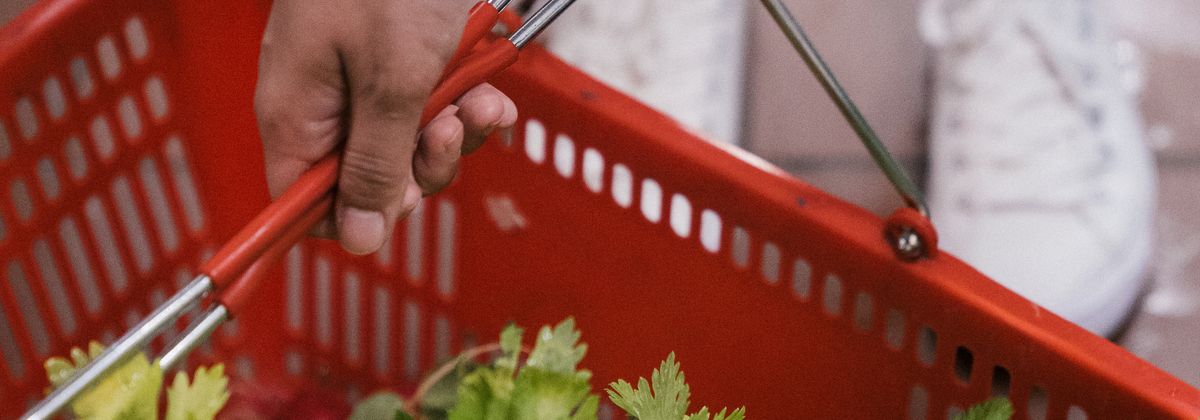
International and specialty grocers can offer staples, spices and produce you may not find elsewhere, often in useful pack sizes. Learn how to shop them well, compare prices and read unfamiliar labels.
Ethnic and specialty grocers serve communities with particular food traditions, and they are often a good source of ingredients that mainstream aisles stock only in small or expensive forms. Whether you are new to cooking a cuisine or have cooked it all your life, these stores are worth exploring. This guide covers how to shop them thoughtfully, with a focus on staples, spices and fresh produce.
Why these stores can be useful
The range varies a great deal, but a few benefits are common.
- Range. You may find ingredients, varieties and cuts that are rare elsewhere.
- Pack sizes. Staples such as rice, flour, lentils and dried beans are often sold in larger bags, which can lower the unit price for people who use them regularly.
- Spices. Whole and ground spices may be sold in bulk or in packs at a different price point from supermarket jars.
- Fresh produce and herbs. Items like fresh herbs, leafy greens and regional vegetables are often sold in generous bunches.
- Specialist items. Sauces, pastes, pickles and ready-made bases that would be hard to replicate at home.
None of this is guaranteed, and prices differ by store and region. The way to find out is to compare.
Start with a short test list
If you are new to a store, avoid trying to buy your whole week there. Pick a small test list.
- Choose five or six items that you buy often, such as rice, lentils, a spice, an oil, a sauce and one vegetable.
- Note the price and pack size at your usual store.
- Check the same items at the specialty store.
- Calculate the unit price, such as per kilogram or per 100 g.
- See which items are worth buying there, and which are not.
The example shows a typical outcome with invented numbers: savings on staples bought in larger bags, and a near tie or loss on an item such as oil. Test your own list.
Spices: freshness over quantity
Buying spices in larger packs only helps if you use them before they lose their aroma. Ground spices fade faster than whole ones. A few habits help.
- Buy whole spices when you can, and grind small amounts as needed.
- Check the date and the packaging. Sealed bags in a busy shop are usually fresher than open bins in a quiet one.
- Store them well. Airtight containers away from heat and light keep spices tasting better for longer.
- Buy what you will use. A large bag of a spice you use once a month may not be a saving.
Fresh produce and herbs
Fresh items in these stores can be a bargain, particularly herbs and greens. They also spoil quickly, so plan.
- Look closely. Check leaves, stems and skins for freshness, as you would anywhere.
- Buy by plan. Decide the meals before you buy, so a large bunch of herbs does not wilt in the fridge.
- Store smartly. Wrap herbs in a damp towel or stand them in a jar of water, depending on the type. Many keep longer this way.
- Freeze extras. Chopped herbs, ginger and chillies can often be frozen in small portions.
Reading unfamiliar labels
Packaging may be in another language, or may use unfamiliar terms. A few checks help.
- Look for an English or local-language label. Many countries require a label with basic information in an official language. If a pack does not have one, ask a member of staff.
- Check allergens and ingredients. This matters if you or someone you cook for has an allergy. If you cannot read the label, skip the product or ask.
- Check the date format. Dates can be written in different orders, so confirm the day and month.
- Check the weight. Look for net weight, and compare units, since some packs use different measures.
Being a good customer
Many of these stores are small, family-run businesses that serve their community. A little courtesy goes a long way.
- Ask questions politely. Staff are often happy to explain how an ingredient is used.
- Handle produce gently, and do not open sealed packs to inspect them.
- Bring cash or check the payment options. Some small shops prefer certain methods, though many take cards.
- Respect the traditions. If a store has specific customs or hours, follow them.
If you want to find specialty and neighbourhood shops near you, you can browse local offers or ask other shoppers in the community where they buy their staples.
A balanced approach
A specialty grocer is not a replacement for your main store, and you do not need to switch. Many households use a specialty store for rice, spices, fresh herbs and a few staples, and a supermarket for the rest. The result is often a better meal and, for the right items, a lower bill.
Learning a new ingredient
If you are cooking something unfamiliar, start small. Buy the smallest pack of a new ingredient, try it in one recipe, and decide whether it earns a place in your kitchen before buying more. Ask staff how the product is usually stored and used, since many items, such as pastes, pickles and dried goods, keep very differently from their supermarket cousins. A short note on your phone with the name, price and what you thought of it makes the next trip faster and prevents buying the same disappointing jar twice.
Frequently asked questions
Are ethnic grocery stores cheaper than supermarkets?
For some items, such as staples in larger bags, spices and fresh herbs, they often are. For others they may not be, so compare unit prices on your own list.
How do I know if spices are fresh?
Look at the date, the packaging and the aroma if you can. Whole spices tend to keep longer than ground ones, and airtight storage at home helps.
What if I cannot read a product label?
Ask staff, use a translation app for ingredients if needed, or leave the product. This matters most if you have allergies or dietary restrictions.
Ready to put this to use? Browse today's offers Share a deal you found
 A grocery savings plan: flyers, unit prices and loyalty offers
 When a loyalty program changes its rules: how to react without panic
 Slow cooker, rice cooker or air fryer: which small appliance pays for itself?