Journal / Cashback and rewards
Discounted gift cards from resale sites: how to lower the risk before you buy
By Today Offers Journal · Oct 19, 2026 · 5 min read
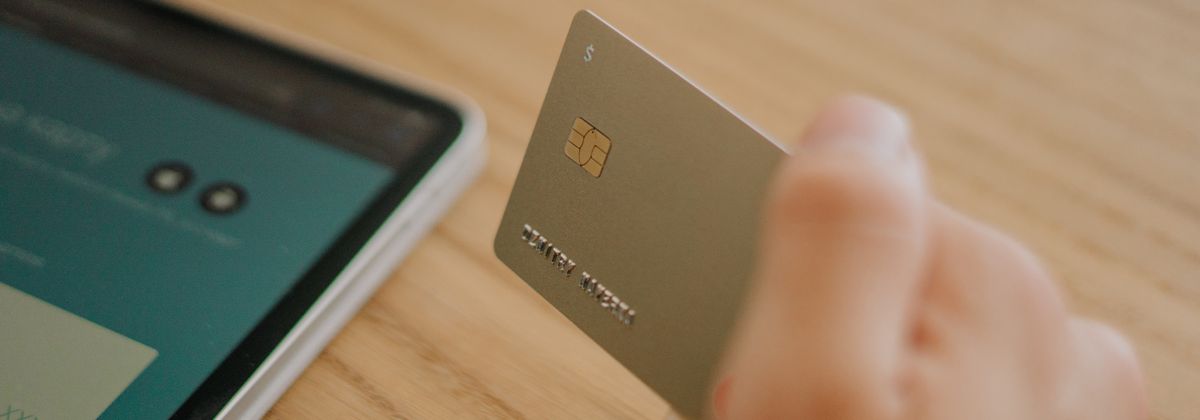
Resale sites sell gift cards below face value, which can save a few dollars on spending you planned. Learn what can go wrong, how to check a card and when the discount is not worth the risk.
A $100 gift card for $92 sounds like a fair trade. Marketplaces and resale sites sell unwanted cards at a discount, and a buyer who plans to spend at that store anyway pockets the difference. The savings are real when the system works. The risk is also real: a card may have a lower balance than claimed, may already be spent, or may come from a source you cannot trust. This guide explains how to lower the risk and when to skip the discount.
Why cards are sold below face value
People sell cards for ordinary reasons: they received a gift from a shop they never visit, or they need cash. Resale sites buy those cards and list them at a discount, taking a margin. The discount is the seller's compensation for turning a card into cash, and your reward for taking a card you can use.
The discount is rarely large. Typical gaps are a few percent. A small saving means a small risk is not worth taking.
What can go wrong
- The balance is lower than stated, or zero, because the previous owner already spent it.
- The card is cancelled or frozen, perhaps after the original buyer reported it.
- The card is stolen, bought with a stolen payment or taken from someone, and later blocked.
- The seller disappears, and you cannot obtain a refund.
- The listing is a scam, pretending to sell cards that do not exist.
- The store's terms prohibit resale, which could allow the card to be voided.
None of these is guaranteed to happen, but each is possible, and your recourse depends on where you bought.
Questions to ask about the seller
Before you buy, find answers to these questions.
- Is there a buyer guarantee? A clear guarantee that returns your money if the card does not work lowers the risk a great deal.
- How long does the guarantee last? Check whether it covers the time you need to test the balance.
- Does the site verify balances before listing?
- Is the seller identified, with a track record you can check?
- How do they accept payment? A credit card or a protected payment method gives more recourse than a bank transfer or gift card payment.
- How is the card delivered, as a code, an image or a physical card?
If you cannot find answers, assume the protections are weak.
The numbers show why the guarantee matters more than the discount. A $6 saving can be wiped out by a single failure with no protection.
A step-by-step routine
If you decide to buy, take these steps.
- Use a reputable platform with buyer protection, not a private message offer.
- Pay with a method that gives recourse, such as a credit card, and avoid payment methods that cannot be reversed.
- Check the balance immediately on receipt, using the store's official page or app.
- Spend it soon, or transfer the balance to a store account if the store allows it.
- Report problems quickly, within the guarantee period, with screenshots.
- Keep records: the listing, the receipt and your messages with the seller.
Red flags
Walk away if you see any of these.
- A discount much larger than usual.
- A seller who wants payment outside the platform.
- Pressure to buy quickly.
- A request to pay by gift card, transfer or cryptocurrency. See our warning about payment requests that signal a scam.
- No details about the card's source.
- Reviews that look copied or recent only.
A safer alternative: official discounted channels
Some savings on gift cards come directly from businesses or trusted sources.
- Bonus offers from the business itself.
- Cashback from a cashback portal when you buy from the issuer.
- Employer or association programs that sell cards at a discount.
- Points redemption through a loyalty program.
These routes keep you in contact with the business and avoid third-party risk. Look at local offers for current promotions.
When the discount is worth taking
- The platform has a strong guarantee and a record of honouring it.
- You will spend the card soon at a store you already use.
- The amount is modest, so the loss is tolerable.
- The card is checked and spent in one visit.
When to skip it
- The saving is a few dollars on a large card.
- You are unsure of the seller.
- You would need to pay by a method with no recourse.
- You do not plan to use the store soon.
A note on selling your own card
If you receive a card you will not use, you could sell it, but you may get much less than face value. Consider alternatives first: regift it, use it for a small purchase, or exchange it with a friend. Some stores let you convert a balance to a store credit that you can use online. Before any sale, check the card's terms.
A small-amount rule
One simple way to limit your risk is to set a ceiling. For example, only buy discounted cards up to an amount you could lose without much harm, and never put a large share of a month's budget into a resold card. Spread purchases across time rather than buying several at once. If the first one works well and the platform handles problems properly, you can use it again. If anything feels off, stop. A saving of a few dollars is never worth a long dispute.
Frequently asked questions
Is it legal to buy a resold gift card?
Rules vary by place and by the card's terms. The main risk for buyers is a card that does not work, so use a platform with a clear guarantee.
How do I check a card is valid?
Use the issuer's official balance check as soon as you receive it, and report any problem immediately.
Should I pay by bank transfer to get a better price?
No. Use a payment method that offers recourse if the card fails.
Ready to put this to use? Browse today's offers Share a deal you found
 Cashback and rewards explained: how to earn more and avoid the traps
 Putting a big purchase on a card: rewards, protections and a payoff plan