Journal / Cashback and rewards
Debit card rewards: what to expect and what to check
By Today Offers Journal · Sep 17, 2026 · 5 min read
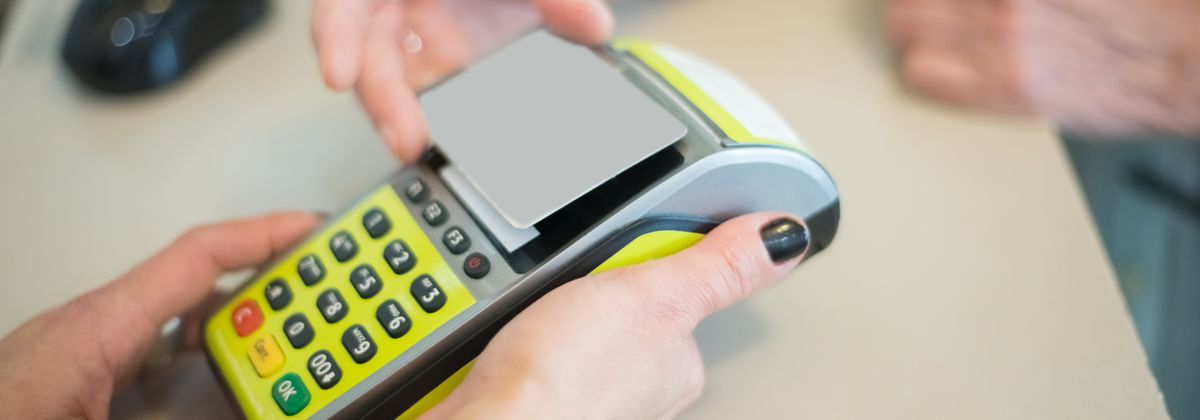
Some debit cards and bank accounts offer cashback or points. Learn what is typically on offer, where it differs from credit card rewards, and what conditions to read before you rely on it.
Not everyone wants a credit card, and not everyone can or should have one. Some people prefer debit because spending comes straight out of their own money, with no balance to carry and no interest to worry about. The good news is that debit can sometimes earn something. The honest news is that debit rewards are usually smaller and more conditional than credit rewards.
Why debit usually earns less
When you pay with a credit card, the merchant pays a fee, part of which funds rewards. Fees on debit transactions are often lower or regulated differently, depending on where you live. That leaves less room for rewards, so debit cards with generous rewards are less common. Where they exist, they tend to come with conditions.
Rules on card fees differ by country, and they change. This article stays general, so check what applies where you live.
What debit rewards can look like
Typical forms include:
- Cashback on purchases, often a small percentage, sometimes limited to certain categories or merchants.
- Points programs linked to a bank account, which may be earned on spending or on keeping a certain balance.
- Offers loaded to the card, where you activate a deal, spend at a certain store and receive a credit.
- Account bonuses, such as a payment for opening an account and setting up direct deposit.
- Fee-free banking benefits, which are not rewards in the usual sense but can have real value if the account would otherwise charge fees.
Some banks also give higher reward rates if you hold other products with them or maintain a minimum balance. These conditions can limit the true benefit.
Read the conditions closely
Debit rewards often come with strings. Before you rely on one, check the following.
- Monthly fee. An account with a fee needs rewards that exceed it.
- Minimum balance or deposit. If you must keep a large balance to earn rewards, consider what that money would earn elsewhere.
- Spending caps. Rewards may stop after a certain monthly amount.
- Eligible purchases. Some payments may be excluded, such as cash withdrawals, transfers, bill payments or certain merchant types.
- Pin versus signature. In some systems, rewards apply only to certain transaction types. Terms vary.
- How rewards are paid. Look for payment timing, minimum payout and expiry.
Debit compared with credit in practice
Debit has real advantages for many people.
- No borrowing. You can only spend what is in your account, which makes overspending harder.
- No interest. There is no balance to roll over.
- Simplicity. One account, one view of your money.
But credit cards often have features that debit lacks, and these vary by issuer and country.
- Higher reward rates are more common on credit.
- Dispute and fraud handling can differ. With debit, a problem may affect your own cash immediately while a dispute is investigated, whereas a credit card dispute involves the card company's money. Rules and protections vary, so check your bank's terms.
- Holds and deposits. Hotels and rental services may place a larger hold on a debit card, which can tie up your cash.
- Credit history. Debit use generally does not build a credit record, which matters if you plan to borrow later.
Neither is better for everyone. The choice depends on your habits, your needs and your protections.
Getting the most from debit
- Make the account fit your life first. A sound account with low fees matters more than a small reward.
- Activate offers deliberately. Some deals need to be switched on before you spend.
- Track the reward as it posts. If it does not appear, ask the bank.
- Pair with free tools. Combine the payment method with coupons and flyers. See what is on at your local stores in the flyers section, then pay in the way that gives something back.
- Avoid fee traps. Overdraft fees can easily exceed any reward, so keep a cushion and consider balance alerts.
A quick checklist before opening a rewards debit account
- What is the monthly fee and how can it be waived?
- What are the reward rates and caps?
- Which purchases are excluded?
- How and when are rewards paid?
- What are the overdraft and ATM fees?
- What protection exists for unauthorised transactions?
This article is general information, not financial advice. Debit and banking rules differ by country, province and state, and by institution. Read the account agreement and ask the bank if anything is unclear.
Where debit fits in an everyday budget
For many households, debit works best as the anchor of a simple system. Pay the main bills and regular shopping from the account, keep a small buffer, and review the balance once a week. The reward is a bonus on top of a habit that already keeps you in control, not the reason for the habit. If a debit reward tempts you to spend more, it has stopped helping.
It also helps to separate two questions. The first is whether the account is a good one: fair fees, easy access, reliable support and sensible protections. The second is whether it pays something extra. Answer the first before the second, because switching banks for a small reward can cost time and may disturb direct deposits and automatic payments. If you do switch, move one thing at a time and keep the old account open until everything has cleared.
Frequently asked questions
Do debit cards offer cashback like credit cards?
Some do, but rates are usually lower and conditions more common. Check caps, fees, minimum balances and which purchases are excluded.
Is debit safer than credit?
Debit avoids borrowing, which helps with overspending, but fraud and dispute protections differ. Check your bank's terms on unauthorised transactions and how quickly funds are returned.
Does using debit build a credit history?
Generally no, since debit spends your own money. If you want to build credit, ask your bank or a credit counsellor about suitable options.
Ready to put this to use? Browse today's offers Share a deal you found
 Cashback and rewards explained: how to earn more and avoid the traps
 Putting a big purchase on a card: rewards, protections and a payoff plan