Cross-border checkout: currency, duties and the real total
By Today Offers Journal · Nov 17, 2026 · 5 min read
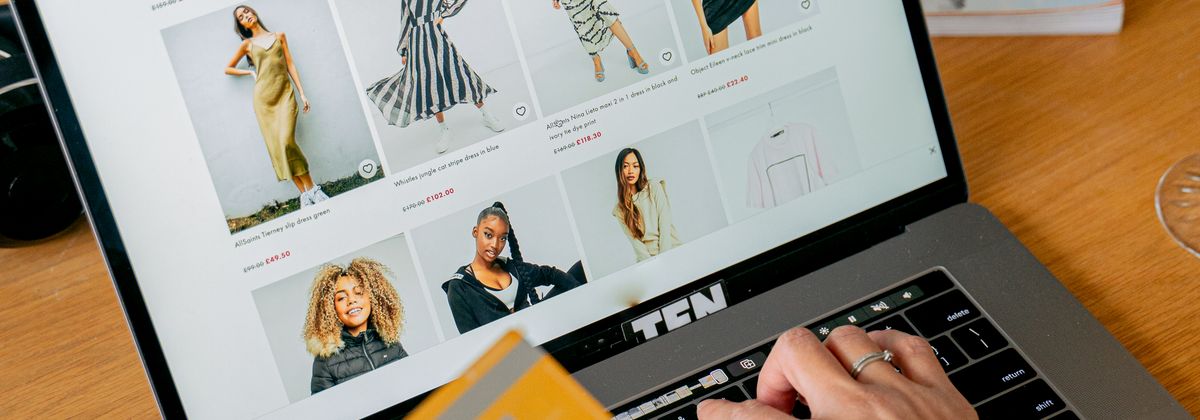
Buying from a store in another country can save money or cost more than you expect. Learn how currency, duties, taxes and shipping combine, and how to estimate the real total before you pay.
A price listed in another country's currency can look like a bargain. But the number on the product page is only one piece of the final cost. Exchange rates, card fees, import taxes, shipping and returns can all change the result. With a short checklist, you can work out the real total and decide whether the purchase is worth it.
The pieces of a cross-border total
- Item price, in the seller's currency.
- Exchange rate, from that currency to yours, including any margin the payment provider adds.
- Card or bank fees, such as a foreign transaction fee.
- International shipping, often higher than domestic, and slower.
- Duties and import taxes, which depend on the destination, the product type and the value.
- Brokerage or handling fees, charged by a carrier for processing customs, sometimes on delivery.
- Return costs, which can be significant for an international parcel.
Not all of these apply to every order, and rules differ widely. Check the destination country's customs agency or the store's help pages for the exact rules, because thresholds and rates change.
Currency choices at checkout
Some sites offer to show the price in your currency, or give you a choice at the payment step between the seller's currency and your own. The convenient option may use a less favourable exchange rate than your card provider. As a guide:
- Compare the total in each currency with a trusted exchange rate for the day.
- Check your card's foreign transaction fee, if any.
- If you pay in your own currency at the store's rate and also pay a card fee, the cost may add up twice. Read the terms.
Duties and taxes: prepaid or on delivery?
There are two ways these may be handled.
- Included at checkout. The store collects duties and taxes upfront, and the total is final. This is easier to plan.
- Collected on delivery. The carrier or customs charges you when the parcel arrives, sometimes with a handling fee. The amount may be a surprise.
A store may label this "delivered duty paid" or "duties may apply." If it says the latter, estimate the charge, and ask whether the carrier adds a fee. If you cannot find out, treat it as a risk, and add a margin to your budget.
How to estimate the real cost
- Convert the item price and shipping into your currency using a current rate.
- Add your card's foreign fee, if it has one.
- Look up whether duties or taxes apply to the category and value, using official guidance.
- Add carrier handling fees if the store says they apply.
- Compare the total with a domestic option, including its shipping and returns.
If the difference is small, the domestic purchase usually wins on convenience, returns and warranty. If the difference is large, an international order may be justified, as long as you accept the delay and the risks.
Warranty and returns
Cross-border returns are often the biggest hidden cost. You may pay to ship the item back, and the refund may be reduced by fees. Some items may not be covered by a local warranty, or the manufacturer may support the product only in certain regions. Check whether the product is made for your market, including power plugs, voltage, software language and safety markings. Ask whether the seller has a local returns address.
Safety and trust
- Check that the store has clear contact details and a return policy.
- Look at reviews from your own country, where possible.
- Use a payment method with dispute options.
- Be wary of prices far below other sellers, and of requests for transfer payments.
- Keep the customs paperwork and tracking.
Prohibited and restricted goods
Some products cannot be imported or need a licence, such as certain foods, plants, medicines, batteries and electronics. If an item is held at the border, it may be returned or destroyed. Look up the rules before you buy, and avoid unusual items from sellers who cannot explain them.
Local alternatives
Before you pay import costs, look nearby. Local retailers may have a similar item with simpler returns and a local warranty, and weekly flyers and local offers can reveal sales that beat the foreign price once costs are added. If you plan a trip abroad, remember that rules for items you carry home may differ from those for items you ship.
Shipping through a forwarding address
Some shoppers use a parcel-forwarding service or a mailbox across the border so that they can buy from stores that do not ship internationally. It can work, but it adds a second set of fees, a second shipment and sometimes extra handling. Count every cost before you compare, including storage fees if parcels wait. Check that the forwarder is reputable, that insurance is available and that the goods are allowed through customs. Returns can become complicated, because the store sees only the forwarding address.
A final checklist
- Currency and exchange rate confirmed
- Card fees checked
- Duties and taxes handled
- Shipping and delivery time noted
- Return costs and warranty understood
- Total compared with a local option
Rules and rates vary. Treat this guide as general information, and rely on official sources for your country.
Frequently asked questions
Should I pay in my own currency or the seller's currency?
Compare both totals against a current exchange rate and your card's fees. The option that looks convenient is not always the cheaper one.
Will I always pay import duties on a foreign order?
Not always. It depends on your country's rules, the product and the value. Check official customs guidance and the store's notes on whether duties are included.
Is a cheaper foreign price worth the hassle of returns?
Only if the saving is large enough to cover possible return costs, delays and warranty limits. For items you may send back, a local store is often safer.
Ready to put this to use? Browse today's offers Share a deal you found
 The smart way to shop online: a checklist before you click buy
 Remote-area, oversize and fuel surcharges: the shipping extras that appear late