Cash or card at small shops: fees, discounts and fair expectations
By Today Offers Journal · Nov 5, 2026 · 5 min read
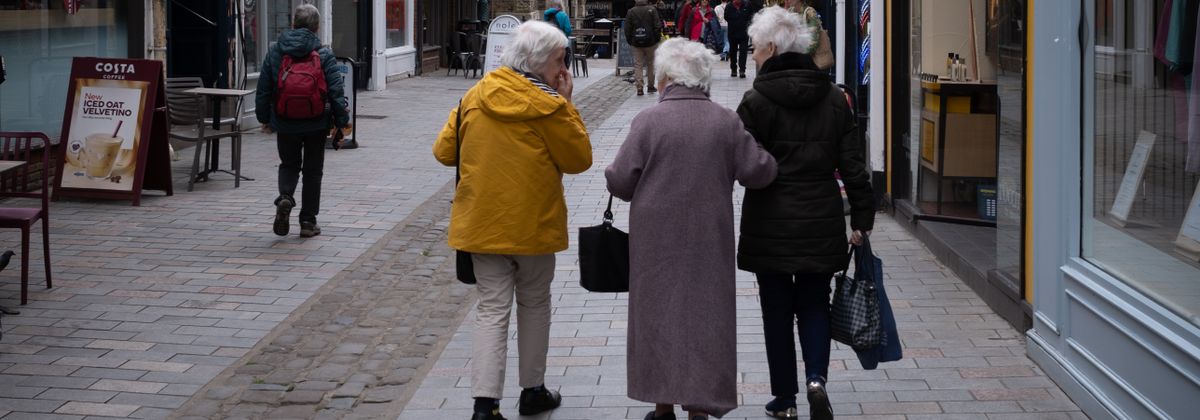
Small shops pay fees when you use a card, which is why some offer cash discounts or set minimums. Learn what is allowed, what is fair and how to compare the real cost to you.
At a small shop, you may see a sign that says "cash only", "minimum $10 on cards" or "5 percent off for cash". These notices can be irritating, but they exist because accepting card payments costs a business money. Understanding the reasoning, and the rules that may apply where you live, helps you decide how to pay and what to expect.
Why small shops care about payment methods
When you pay by card, the shop usually pays a fee to a payment processor, and sometimes to other parties in the chain. The amount depends on the type of card, the processor and the contract. For a business with high prices and a good margin, the fee is a small part of the sale. For a business selling a $3 coffee or a $2 item, it can be a noticeable share of the profit.
Cash has costs too. The shop must count it, store it safely, make bank trips and give change. But cash does not carry a per-sale fee, so some owners prefer it.
None of this means that a shop is wrong to accept cards, or that you are wrong to pay with one. It simply explains the signs and the choices.
Common practices you may see
- Cash only. The shop does not accept cards at all. This is more common at market stalls, small food counters and some independent shops.
- Card minimums. The shop accepts cards only above a set amount. Rules about whether this is allowed differ by country, card network and local regulation.
- Cash discount. The shop offers a lower price for cash, either as a percentage or as a rounded amount.
- Card surcharge. The shop adds a charge for card payments. Rules about surcharges vary widely by country and region, and in some places they are restricted or must be clearly displayed.
- Tap or mobile payment preferred. Some small shops encourage contactless payments because they are quick.
Because the rules differ, do not assume that a practice is allowed or banned. If something seems unclear, ask the shop or check consumer guidance for your area.
Count what cash really costs you
A cash discount only helps if paying cash does not cost you something else. Compare the full picture.
- Card rewards. If your card earns 1 or 2 percent back, a 3 percent cash discount is still better in cash, but a 1 percent discount may not be.
- ATM fees. Withdrawing cash from a machine that charges a fee reduces the benefit.
- Protection. Card purchases often come with dispute options and records, while cash does not.
- Budget tracking. Cash purchases are harder to track in a spending app.
- Convenience. If you have to make a special trip for cash, the saving may be lost.
Here is a worked example. You buy a $40 item. The shop offers 5 percent off for cash, a $2 saving. Your card gives 1.5 percent back, which would be $0.60 on $40, or $0.57 on the discounted price. With cash, you save $2.00. With the card you save $0.60. Cash is better by about $1.40, assuming you already have the money and no ATM fee.
The example shows that the same discount can be useful or pointless depending on how you get the cash. It also shows the simple truth that small amounts are small. If a cash discount is worth less than $1 to you, convenience may be the better guide.
Being fair to the shop
There is an etiquette side to this as well.
- Respect the minimum or the cash-only rule when it is clearly posted. Do not argue at the till.
- Do not split a small purchase into several card payments to get around a minimum.
- Carry small notes and coins for markets and small shops, so you can pay the exact amount.
- Say what you plan to do early, so that staff are not surprised at the till. "Do you take cards?" is a normal question.
- Be understanding when a card reader is down. Offer another payment method, or return later.
Shops that rely on cash may also have a limited float of change. A large note for a small purchase can create a problem early in the day.
When to prefer a card
Cards are often the better choice for larger purchases, items you may return, anything that comes with a warranty and trips where you want a record. Consumer protections and dispute rights depend on the card and on your country, so check the terms of your own card instead of assuming. A receipt and a card record can make it easier to prove a purchase, which helps with returns and claims.
For routine small purchases, a mix often works well. Use cash where it earns a discount or where the shop prefers it, and cards elsewhere.
Practical habits
- Keep a small amount of cash in your wallet for markets and cash-only shops.
- Check payment signs when you enter a shop, to avoid awkwardness at the till.
- Ask for a receipt for cash purchases of any size above a few dollars.
- If a cash discount is offered, work out the saving quickly, then decide.
- Keep an eye on local offers and the notes of other shoppers in the community for shops with unusual payment rules.
The aim is not to squeeze every cent. It is to understand why signs exist and to make a choice that suits your budget and your values.
Frequently asked questions
Is it legal for a shop to charge extra for cards?
It depends on the country, region and card network rules. Some places restrict or require clear disclosure of surcharges, so check local guidance.
Is a cash discount always better than card rewards?
Not always. Compare the discount with your card's rewards and any cost of getting cash, such as ATM fees.
Should I ask for a receipt when I pay cash?
Yes, for anything beyond small amounts. It helps with returns and warranties.
Ready to put this to use? Browse today's offers Share a deal you found
 In-store shopping tips that actually save money
 Buying gift cards from small shops: helping a business without taking on risk
 A category-by-category markdown calendar: when each aisle tends to get cheaper