Journal / Cashback and rewards
Card surcharges and cash discounts: when paying by card costs extra
By Today Offers Journal · Nov 4, 2026 · 5 min read
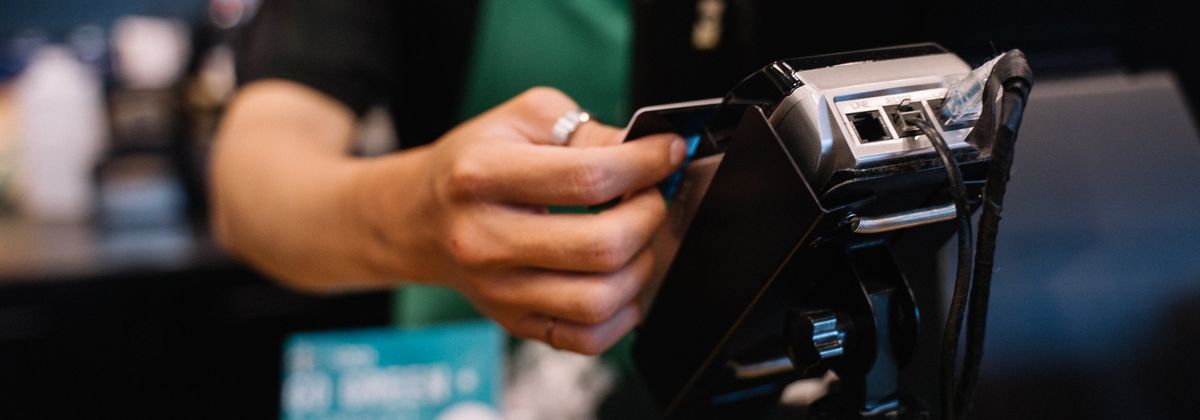
Some merchants add a fee for card payments or offer a discount for cash. Learn how to compare a surcharge with your reward, what rules may apply where you live and how to choose the cheapest way to pay.
Most of the time you pay the same price whether you use cash, debit or credit. In some places and for some merchants, though, paying by card adds a charge, or paying with cash earns a discount. These are not always obvious until the last step, and they change the value of your rewards.
Why merchants charge for cards
When a customer pays by card, the merchant usually pays a processing fee to its payment provider. The amount varies by card type, network, country and the merchant's agreement. Some businesses absorb the cost in their prices. Others pass part of it on through a surcharge or offer a cash discount instead.
Whether surcharges are allowed, how they must be shown and how large they can be differ by country, province and state. In some places they are restricted or banned, and in others they must be clearly disclosed in advance. This article does not cover specific rules, so check what applies where you live.
Surcharge versus cash discount
The two ideas look similar but are presented differently.
- A surcharge is an extra fee added to the card payment, shown as a separate line or a percentage.
- A cash discount lowers the price for people who pay with cash or by bank transfer, while the listed price assumes card use.
The arithmetic ends up in the same place. A 2% surcharge on a card payment is similar to a discount of about 2% for paying cash. The difference is mainly in the rules, the display and how it feels.
The key comparison
The question is whether your reward is bigger than the extra cost. Take an invented example: a $200 purchase with a 2% card surcharge.
- Surcharge: $4
- Reward on the card at 1.5%: $3 on $200, or $3.06 if calculated on the total including the surcharge
- Net: about a $1 loss compared with cash
At a 2% reward, the result is close to even. At a 3% reward, a small gain. The difference is small, and it depends on the exact rates, but the comparison is easy to do.
Here the surcharge bar is longer than the reward bar, which is the point: a surcharge larger than your reward means paying by card costs you.
Which payment type is charged
Surcharges sometimes apply only to certain cards. Credit cards, especially premium ones, often carry higher processing fees than debit. A merchant may apply a different surcharge by card type or by network. Look at the signs and the checkout page. They usually list the card types and rates.
Steps for comparing payment options at checkout
- Look for signs or notices about card fees before you order or at the till.
- Ask for the cash price, or the price by bank transfer, if it is not shown.
- Check the final total before you confirm payment. Some online checkouts add the fee only on the last page.
- Compare the surcharge with your reward rate for the card you would use.
- Consider the other benefits of paying by card, such as dispute rights, purchase protection and a record on your statement.
- Choose the lowest total cost, unless a protection matters more to you.
What you might lose by paying with cash
Cash may be cheaper at checkout but it gives up some things.
- Dispute and refund paths. If a purchase goes wrong, a card payment often offers a way to dispute it, depending on your country and the issuer. With cash there is only the merchant.
- Records. A card statement is automatic proof of purchase.
- Protections. Some cards include extended warranty or purchase cover, subject to terms.
- Rewards. Cash earns none.
For small purchases, those things may not matter. For a large or risky purchase, they may matter more than a couple of dollars.
Stay alert for unclear charges
A fee that is not disclosed before you pay deserves a question. If a surcharge appears only after you tap your card, ask the merchant to cancel the sale and refund it. Rules about disclosure differ, but a clear price before payment is a reasonable thing to expect. If you are not satisfied, contact the merchant, and if necessary your card issuer or a local consumer agency.
You can look through local offers for stores that advertise no-fee payments or special payment promotions, and read each store's terms.
A simple rule
Pay by card when the fee is zero or smaller than your reward and you value the protection. Pay another way when the surcharge is clearly larger. Either way, make sure you know the total before you pay.
This article is general information, not financial or legal advice. Surcharge rules and consumer protections differ by country, province and state, so check the rules that apply to you.
Online and recurring payments
Surcharges are not limited to shop counters. Online checkouts, booking sites, utilities and professional services may add a card fee at the final step, and some apply it to every recurring payment. A fee of 1.5% on a monthly bill looks small, but across a year it adds up, and it can erase the reward you thought you were earning. If a provider offers a free bank payment or direct debit alongside a fee-bearing card option, compare the two before setting up an automatic payment, and revisit the choice if the provider changes its pricing.
Frequently asked questions
Are card surcharges legal?
It depends on where you live. Some places ban or limit them and others require clear disclosure. Check your local consumer rules.
Is a cash discount the same as a surcharge?
Economically they are similar, but they are presented differently and may be treated differently under local rules.
Should I always pay with cash to avoid fees?
Not necessarily. Compare the saving with the protections and rewards you give up by not using a card, especially on larger purchases.
Ready to put this to use? Browse today's offers Share a deal you found
 Cashback and rewards explained: how to earn more and avoid the traps
 Putting a big purchase on a card: rewards, protections and a payoff plan