Buying jeans and everyday basics: fit, fabric and when prices tend to drop
By Today Offers Journal · Sep 1, 2026 · 6 min read
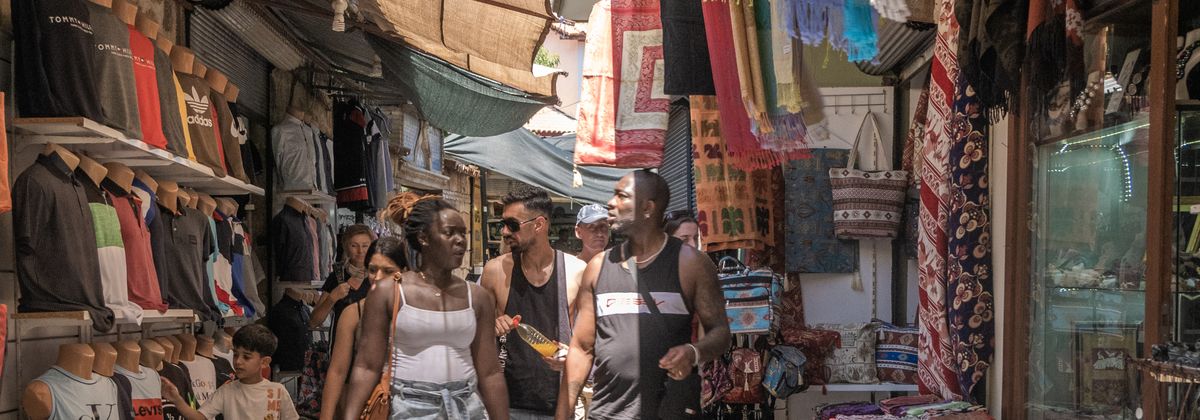
Jeans, tees and sweaters are the clothes you wear most, so they reward a careful look. Learn how to test fit and fabric in the fitting room and when basics tend to be marked down.
Everyday basics do most of the work in a wardrobe. A pair of jeans may be worn two or three times a week, while a dressy jacket might come out twice a season. That makes basics the clothing category where a little care in the store pays back the most, and where a modest discount on a good item beats a deep discount on something that does not fit. This guide covers what to check in the fitting room, what the fabric tag tells you, and when basics usually get cheaper.
Start with the fit, not the tag
Sizes vary between brands and even between styles from one brand, so treat the number on the label as a rough guide. Take two or three sizes into the fitting room and judge each pair by how it behaves, not by what it says.
- Sit down. Jeans that feel fine standing can dig in at the waist or gape at the back when you sit.
- Squat and reach. Bend as you would when picking something up. The waistband should stay up and the seams should not feel strained.
- Walk a few steps. Look for fabric bunching behind the knees or at the hips.
- Check the pockets. If the front pockets splay open while you stand, they will likely do it all day.
- Think about stretch. Fabric with some elastic fibre loosens a little with wear. Rigid denim loosens too, but more slowly. If a pair is slightly snug and has no stretch, it may relax; if it is tight and stretchy, it may simply sag later.
If the fit is almost right, ask whether a hem or a waist adjustment would fix it. Hemming is often a small, one-time cost, but it is worth asking the price before you decide that a pair is a bargain.
Read the fabric tag like a short ingredient list
Every garment sold in most countries carries a label listing its fibres and how to care for it. You do not need to be a textile expert to use it.
- Look at the main fibre. Cotton, wool, linen and polyester behave differently. Cotton is breathable and takes dye well. Polyester resists wrinkles and dries quickly but can feel warm. Blends try to combine the strengths.
- Check the care instructions. A shirt that needs dry cleaning or a cool, gentle wash adds ongoing cost and effort. Be honest about whether you will do it.
- Hold it to the light. If you can see through a plain tee when you hold it up, it may be see-through when worn, and it may wear thin sooner.
- Scrunch and release. A fabric that stays creased can look untidy by mid-morning.
- Check the seams. Tug gently at a seam. If you can see gaps in the stitching or loose threads, it may not last.
A higher price does not guarantee better quality, and a low price does not mean poor quality. The tag, the stitching and the way the fabric hangs tell you more than the sign on the rack.
The cost-per-wear check
Cost per wear is simple arithmetic: price divided by the number of times you expect to wear the item. It helps when you are deciding between a cheaper pair and a better one.
The example shows two things. A pair that costs twice as much can still be cheaper per wear if it lasts and you actually like wearing it. And a "bargain" that you wear ten times can cost more per wear than a full-price item you wear all year. The calculation is only as good as your honest guess about how often you will wear it, so be sceptical about hopeful guesses.
When basics tend to get cheaper
Basics do not follow a single schedule, and every retailer sets its own calendar. Some patterns are common enough to plan around, with the caution that you should confirm them in your own area by watching prices.
- Season changes. Shorts and light tees often drop in price as summer ends. Heavier knits drop as spring arrives. Buying a season ahead can cost less, but only if you are sure of your size and style.
- Long-weekend and holiday sales. Many stores run clothing promotions around public holidays, and the offers usually appear in the weekly flyers. Check the flyers for your city in the days before.
- End-of-line colours and sizes. When a store stops a style, odd sizes and less popular colours may be reduced first. If your size is still there, this can be a good moment for basics in plain colours.
- Member and app offers. Some stores send extra discounts to members. These can combine with a sale, or may not, so check the terms.
Plain basics are the kind of item that rarely goes out of style, which makes them well suited to waiting for a markdown.
Before you leave the till
Take a minute for a few last checks. Confirm the price on the receipt matches the tag, because discounts on clothing sometimes apply at the register rather than on the rack. Check whether the item is final sale or can be returned, and for how long. Keep the receipt and the tags until you have worn and washed the item once, because a problem with shrinkage or colour often only shows after the first wash.
A tidy habit is to write down what you tried and did not buy. If you left behind a pair that fit well, note the brand, style and size. That way you can look for it on sale later, or compare it to other styles, instead of starting again from scratch.
A short routine
- Decide what you need and set a spending limit before you go.
- Take several sizes and test sitting, squatting and walking.
- Read the fibre and care labels.
- Work out the cost per wear.
- Check the return rules and keep the receipt.
For basics, patience pays. A good pair of jeans that fits well and costs a little less in a seasonal sale is worth more than a deep discount on a pair you will leave in the drawer. You can browse local offers to see what nearby stores are promoting before you head out.
Frequently asked questions
Should I buy jeans a size small and hope they stretch?
It is safer not to. Stretch and wear may loosen the fabric a little, but a pair that is uncomfortable in the store often stays uncomfortable. Choose the size that feels right when you sit, squat and walk.
Is cost per wear a reliable way to decide?
It is a useful check, not a guarantee. It depends on how often you really wear the item, so use a realistic number rather than an optimistic one.
Do basics go on sale at the same time every year?
Not exactly. Many stores follow seasonal and holiday patterns, but the timing and depth of discounts vary. Watching prices for a few weeks shows what is normal for your local stores.
Ready to put this to use? Browse today's offers Share a deal you found
 In-store shopping tips that actually save money
 Buying gift cards from small shops: helping a business without taking on risk
 A category-by-category markdown calendar: when each aisle tends to get cheaper