Add friction on purpose: saved cards, one-click checkout and app settings
By Today Offers Journal · Sep 28, 2026 · 5 min read
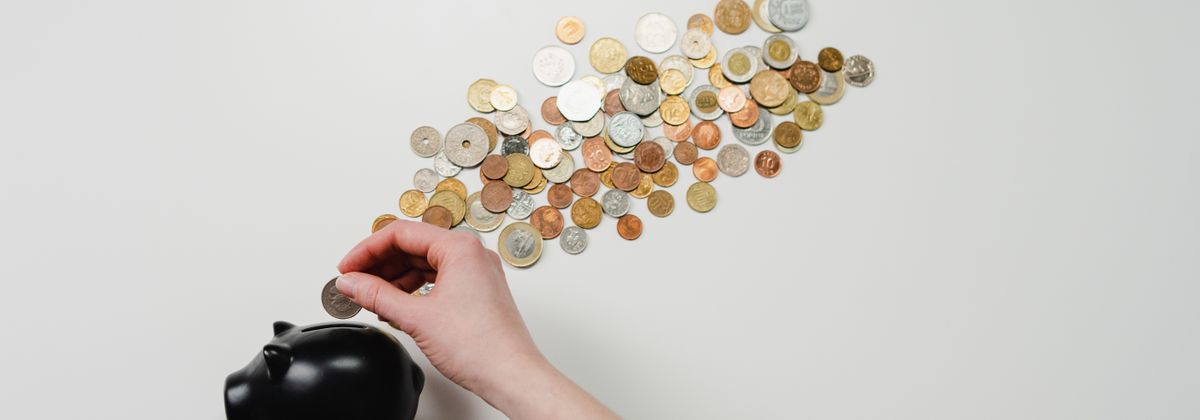
Stores spend a lot to make buying effortless. You can undo some of that. Here are practical settings to add a little friction at the point of payment and give yourself time to think.
Online stores work hard to remove every step between wanting and buying. Saved cards, stored addresses, one-tap wallets and "buy again" buttons all shorten the path. That is convenient when you are buying something you planned. It is less helpful when the path is so smooth that a purchase happens before you have decided. Adding a little friction on purpose is one of the simplest ways to cut impulse spending.
Why a small obstacle matters
A pause of even thirty seconds gives your mind a chance to ask whether you really want the item. When payment details are already stored, the purchase can take a single tap, and there is no natural moment to reconsider. Typing a card number, finding the card or approving a separate confirmation brings that moment back.
This is not about making life harder. It is about choosing where the friction goes. You can keep ease for planned purchases and add friction for unplanned ones.
Settings and habits to review
Start with an honest look at where you shop most, and then consider these changes. Names of settings and menus vary between apps and browsers, so look through each one's payment or account section.
- Remove saved cards from your browser and from the shopping apps you use most.
- Turn off one-click or express checkout in store accounts where the option exists.
- Disable "buy again" or auto-reorder features unless you rely on them for essentials.
- Remove digital wallet shortcuts from the places where you shop on impulse, or require authentication every time.
- Log out of shopping apps when you are done, so you have to sign in again.
- Unlink your payment from app stores for games and extras, or require a password for every purchase.
Choose two or three changes you can maintain. A long list you do not follow is no use.
Keep convenience where it helps
Some friction is a nuisance. If you pay a recurring bill by card, or buy a weekly staple online, removing the saved card can add effort without any benefit. A balanced approach looks like this.
- Planned, repeated purchases: keep convenience, perhaps with a payment method you review regularly.
- Occasional, non-essential purchases: add friction, such as typing the card number.
- Apps you find tempting: add the most friction, or consider uninstalling them.
The choice should depend on your own patterns. If you only overspend on one site, focus on that site.
Use a separate spending method
Another form of friction is to separate your payment methods. Some people use one account or card for bills and a different one with a set amount for discretionary shopping. When the discretionary amount is used, there is a clear stop. Others keep a card at home and carry cash for day-to-day needs.
Be careful with credit. If you use a credit card, check that you can pay the balance in full, and read the terms for interest and fees. This article gives general information only. If you are unsure how credit costs work in your country, check with a reputable consumer finance resource.
The checkout pause routine
Even with friction in place, it helps to have a short routine at the final screen. Spend a minute on these steps before you pay.
- Read the final total, including shipping, tax and fees.
- Ask: would I buy this if I had to pay cash today?
- Check whether the item is on your list or in your budget.
- Look at the return policy.
- If in doubt, leave it in the cart and close the page.
Our guide to the final check before you pay gives a longer version of this routine for online orders.
How friction changes behaviour
To see what a small change might do, imagine that you make an impulse purchase on a typical week of about 8 minutes of in-app browsing. Without friction, 1 in 4 sessions turns into an order. With friction, perhaps 1 in 8. These numbers are invented, but they show how a modest drop in conversion adds up.
The pattern in the example is not a promise. What it shows is that small obstacles tend to cut some impulse buying, and several obstacles together may cut more.
Pair friction with a wait
Friction works best when it leads to a pause. If you remove saved cards and hit the payment page, you can decide to bookmark the item instead of buying. Your wish list becomes the next stop. Returning to the item the next day takes no more effort than the first visit.
If an item is genuinely needed, you can still buy it. The extra thirty seconds is small. If it is not, you will often notice that you are happy to close the tab.
Check your accounts regularly
Once a month, review your payment accounts and app permissions. Look for charges you do not recognise, subscriptions you forgot and stored cards you no longer want in a shop account. Doing so also helps you spot fraud early. If you find something unexpected, contact the store and your payment provider.
Finally, if you share devices or accounts with children, set purchase approval so that no one can buy without your confirmation.
Frequently asked questions
Is it safe to store my card in my browser?
Many browsers encrypt saved details, but anyone who can unlock your device might be able to use them. If you share a device or shop on impulse, removing saved cards is a sensible precaution.
Will turning off one-click checkout cost me deals?
Not normally. Discounts depend on the offer and the code, not on how you pay. You may lose a few seconds at checkout, which is the point of the change.
Should I remove my card from every site?
No. Keep it where you pay recurring bills or buy planned essentials. Focus on the stores or apps where you tend to buy on impulse.
Ready to put this to use? Browse today's offers Share a deal you found
 Cost per use: the simple habit that stops impulse buying
 Windfalls and found money: rules for refunds, bonuses and gift cash
 Growing your buffer from $500 to one month of essential costs