Journal / Cashback and rewards
A yearly rewards review checklist: keep, change or close each card
By Today Offers Journal · Nov 12, 2026 · 5 min read
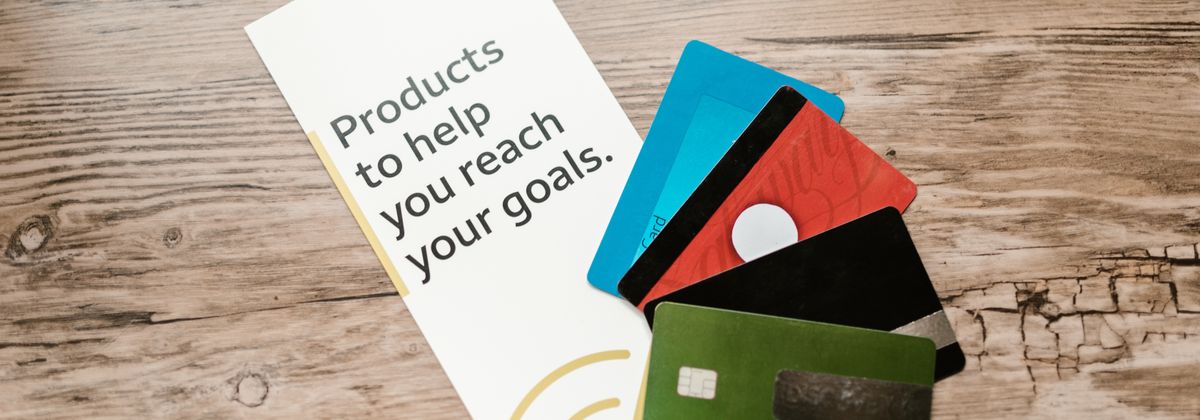
Once a year, a short review shows whether each card still earns its place. Work through earnings, fees, interest paid, unused perks and expiring points, then decide to keep, change or close with a simple scoring sheet.
Cards drift. A card that suited you three years ago may now charge a fee for perks you no longer use, or earn less than a newer option. A yearly review takes about an hour and can stop money leaking out quietly. It also reminds you to redeem rewards before they expire.
Pick a date and gather the paperwork
Choose a regular time, such as just before the annual fee date on your most expensive card, or the end of the year. Gather:
- The last twelve months of statements for each card, or the yearly summary many issuers provide.
- Your rewards balance and redemption history.
- The current fee schedule and rewards terms.
- Any notices about changes during the year.
Most of this is available online. If you do not have a yearly summary, add up the figures from monthly statements.
Build a one-page scoring sheet
For each card, fill in a simple table with these lines.
- Spending on the card this year.
- Rewards earned, converted into dollars using the redemption value you actually use.
- Annual and other fees paid.
- Interest paid. For many people this is zero, which is the goal.
- Perks used, valued at what you would have paid for them otherwise.
- Net value: rewards plus perks used, minus fees and interest.
- The no-fee alternative: what a good no-fee flat-rate card would have earned on the same spending.
The final comparison is net value against the alternative. A card that beats its no-fee alternative is doing its job. One that does not, is a candidate for change.
The last bar shows a net cost, not a gain. In a real review, a negative result is a sign that the account costs more than it returns.
A worked example
Take an invented card. Over the year you spent $14,000. It earns 1.5%, so $210. The annual fee is $120. You used one statement credit worth $50 that you would have bought anyway. You paid no interest.
- Rewards: $210
- Perks used: $50
- Fee: $120
- Net: $140
A no-fee card at 1.25% would have earned $175 on the same spending, with no fee. The fee card is behind by $35. Unless you value something beyond these numbers, it is time to consider changing. Your own numbers will differ, so do the sum for each card.
The decision for each card
For each account, choose one of four outcomes.
- Keep as is. It beats the alternative and you use it properly.
- Change how you use it. For example, move a category of spending to it, or stop using it for something it handles poorly.
- Downgrade or switch. Ask the issuer about a no-fee version of the same card, which may preserve your account history, or move to a better product.
- Close. If it has little use, has a fee and no benefits, or tempts you into spending, consider closing it after redeeming rewards.
Before closing, think about the effect on your credit file, such as available credit and the age of your accounts. The effect depends on your situation and country, and may matter more if you plan to borrow soon. If in doubt, ask a qualified adviser or credit counselling service.
Check the other housekeeping items
While you have the paperwork out, run through these.
- Expiring points. Redeem or protect them.
- Auto-payments. Make sure each card has an automatic payment of the full statement balance and that the bank account is sufficient.
- Recurring charges. Review which subscriptions are attached to each card.
- Contact details and alerts. Confirm they are up to date.
- Credit limits. A limit that is too high can tempt overspending. A limit that is too low can raise your utilisation rate. Pick what suits you.
- Security. Update passwords and review account activity.
- Notices. Read any changes to terms announced during the year.
Avoid the common review mistakes
- Counting sign-up bonuses every year. They are one-time.
- Valuing perks you did not use.
- Ignoring interest. Even small amounts of interest can erase rewards.
- Chasing a new card for a slightly higher rate. Compare the gain with the effort.
- Closing a card in a rush before redeeming rewards.
Keep a record
Save your scoring sheet as a simple note or spreadsheet. Next year, you can compare with the previous year and see whether your spending, rewards and costs have moved. It also gives you a decision trail if you wonder why you changed something.
If you want inspiration for what else to review, you can browse local offers to see how stores promote payment methods, and ask others in the community how they run their own reviews.
This article is general information, not personal financial advice. Card terms, fees and credit-reporting effects differ by issuer, country, province and state, so read your own documents and seek independent advice for complex situations.
Making the decision calmly
Do the review when you are not in a hurry and not in the middle of a purchase. If a card is a close call, give yourself a week before acting. Sleep on any decision to close an account, since it cannot always be undone. If the numbers point clearly one way, act on that and note the date, so that you can follow through, for instance by redeeming points, moving recurring payments and cancelling the fee on time.
Frequently asked questions
How often should I review my cards?
Once a year is a sensible rhythm, with a quick check whenever your spending changes or you receive a notice of new terms.
Should I close a card I rarely use?
If it has a fee and no real benefit, closing may make sense after you redeem rewards. If it has no fee, consider the possible effect on your credit file before deciding.
What if a card is behind the no-fee alternative by only a few dollars?
A small gap may not justify a change. Consider the effort, the perks you value and the risk to your credit file, and decide whether simplicity matters more.
Ready to put this to use? Browse today's offers Share a deal you found
 Cashback and rewards explained: how to earn more and avoid the traps
 Putting a big purchase on a card: rewards, protections and a payoff plan