Journal / Cashback and rewards
A simple routine for paying your card in full every month
By Today Offers Journal · Sep 30, 2026 · 6 min read
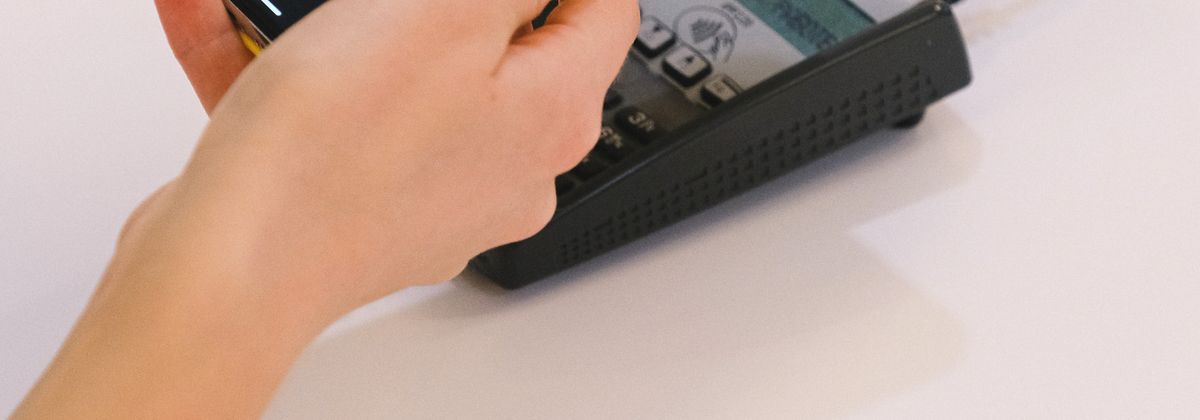
Rewards only pay off when the balance is cleared. This step-by-step routine covers statement dates, automatic payments, weekly check-ins and a safety buffer so paying in full becomes a habit, not an effort.
Almost every piece of advice about rewards cards depends on one habit: paying the full statement balance by the due date. When you do that, the card works like a convenient payment tool that returns a little money. When you do not, it becomes an expensive loan. This routine is designed to make the good outcome the default.
Know the three dates on your card
Cards have a few dates that are easy to confuse. Learn them once and write them down.
- Statement date. The day the billing cycle closes and your statement is produced.
- Due date. The last day to pay without penalty, which is usually a couple of weeks after the statement date. The exact gap depends on the issuer and the country.
- Payment posting date. The day your payment is actually recorded. A payment made on the due date can arrive late if it is made after a cut-off time or through a slow method.
Pay at least a couple of days before the due date, and check that the payment shows as received. If the due date falls on a weekend or holiday, find out how your issuer treats it.
Understand statement balance versus current balance
Two numbers appear on most accounts.
- Statement balance: what you owed at the end of the last billing cycle. Paying this in full by the due date usually avoids interest on those purchases.
- Current balance: the statement balance plus everything you have bought since. You do not have to pay this by the due date to avoid interest, though paying it early is allowed.
Your agreement explains how your card treats these, so confirm it. Many people feel they should pay the current balance and it is a perfectly safe habit, but paying the statement balance on time is what matters for interest-free use in many systems.
The weekly routine
A short weekly check is more effective than a big monthly review.
- Open the app or website once a week, at a set time, such as Sunday evening.
- Look at the running balance. Compare it with what you planned to spend.
- Check for unfamiliar transactions and report anything odd to the issuer straight away.
- Confirm your bank account holds enough to cover the next payment.
- Note any large upcoming bills, like insurance or annual subscriptions, that will land on the card.
Five minutes is enough. The aim is no surprises.
Automate, but do not switch off
Most issuers let you set up automatic payments. Common choices are the minimum amount, a fixed amount or the full statement balance. For the purposes of this routine, the full statement balance is the one to choose.
Automation is helpful because it prevents forgotten payments. But there are some caution points.
- Check the bank account balance. An automatic payment that bounces can cause fees on both sides and may count as a missed payment.
- Review the amount each month. If your spending has grown, make sure that the account balance has grown to match.
- Keep a reminder a few days before the date, so you have time to act if something looks wrong.
- Do not rely on the minimum payment option. It keeps the account in good standing but leaves most of the balance to attract interest.
Build a buffer so the payment never stretches you
A simple buffer makes paying in full much easier.
- Keep a small cushion in the account that pays the card, beyond what you expect to owe.
- Move money on payday. Set aside the amount you have already spent on the card, in a separate savings pot or sub-account, so the bill is already covered.
- Use a spending limit. If the card limit is far higher than your budget, consider asking for a lower limit, or set alerts at a figure that matches your plan.
- Plan for lumpy bills. If you pay annual premiums or taxes by card, set aside one twelfth each month.
What to do when a month goes wrong
Occasionally something unexpected happens, such as a car repair or a medical bill. If you cannot pay in full:
- Pay as much as you can, and at least the minimum, before the due date, to avoid late fees and protect your record.
- Stop using the card for new purchases until you are back to zero if you can, since new purchases may begin to attract interest straight away in some systems.
- Contact the issuer early. Many have hardship options, but they are more flexible before you fall behind.
- Make a plan to clear the balance quickly, and pause the rewards chase until you do.
- Consider free credit counselling if the balance is growing.
Why rewards come second
Rewards are a pleasant extra. They should never decide how much you spend or whether you can pay in full. Before your next purchase on the card, ask: could I pay this from my account today? If the answer is no, wait. The journal has other articles on budgeting and comparing offers that can help you plan purchases ahead of time.
This article is general information, not personal financial advice. Billing rules, grace periods and consumer protections differ by country, province and state, so read your card agreement or ask your issuer if you are unsure.
Making it stick
Habits last when they are easy and visible. Put the weekly check in your calendar next to something you already do, such as a Sunday planning session. Keep the card app on your phone's first screen for the first few months. Share the routine with a partner or housemate if you manage money together, so that both of you know when the payment is due and who is responsible. If you ever miss a payment, treat it as a signal that the system needs a small fix, such as an earlier reminder or a larger buffer, rather than as a reason to give up on the card.
Frequently asked questions
Should I pay the statement balance or the current balance?
Paying the statement balance in full by the due date usually avoids interest on those purchases, but check your own agreement. Paying the current balance is also fine and keeps your debt lower.
Is autopay safe to use?
It is a useful safeguard against forgotten payments, as long as your bank account has enough money and you check the amount each month. Pick the full statement balance, not just the minimum.
What if I miss a payment by accident?
Pay as soon as you can and contact the issuer to explain. Some issuers will waive a first late fee, but policies differ, so ask and read your agreement.
Ready to put this to use? Browse today's offers Share a deal you found
 Cashback and rewards explained: how to earn more and avoid the traps
 Putting a big purchase on a card: rewards, protections and a payoff plan