A measuring routine for online clothing sizes before you order
By Today Offers Journal · Sep 16, 2026 · 5 min read
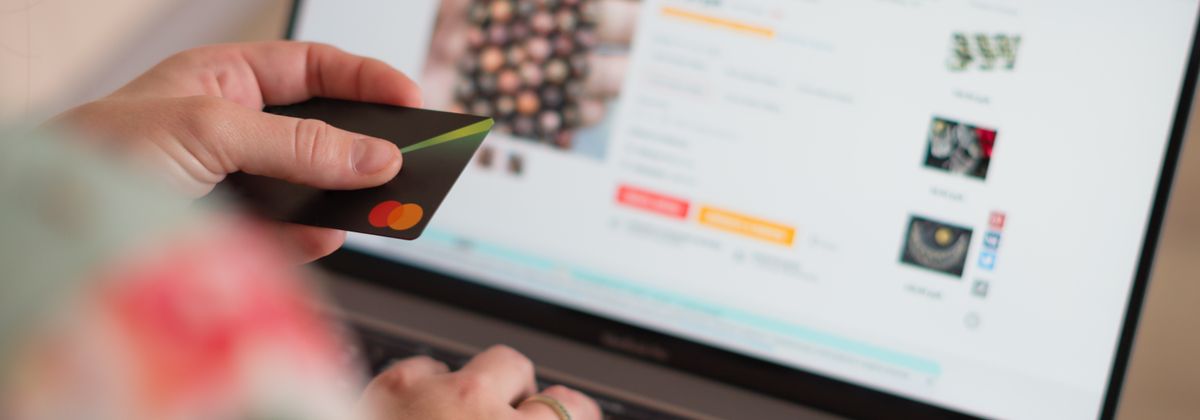
Most clothing returns start with a size that did not fit. A ten-minute measuring routine, done once and saved, helps you pick the right size online and avoid paying to send things back.
Buying clothes online removes the fitting room, so the size chart has to do its job. The trouble is that sizes are not standard. A medium in one brand can be a small in another, and the same label can vary between styles. A measuring routine solves most of this. You take a few measurements once, record them, and compare them with each chart before you order.
Why a size label is not enough
Size labels are a marketing convenience. Brands cut clothes for different customers and different markets, and "true to size" means little without a reference. Fabric adds another variable, because a stretchy knit forgives a measurement that a woven shirt will not.
Returns are the usual price of getting it wrong. Some retailers charge for return shipping or deduct a fee, and some limit returns on sale items. A chart-based check before ordering costs a few minutes and can save both money and a second trip to the post office.
What to measure, and how
Use a soft tape measure, the kind used for sewing. If you do not have one, a piece of string and a ruler work. Stand relaxed, wear thin clothing, and keep the tape snug but not tight. Ask someone to help with measurements that are hard to take alone.
- Chest or bust. Around the fullest part, with the tape level across the back.
- Waist. Around the narrowest part of your torso, or where you wear your trousers if that is more useful.
- Hips. Around the fullest part of the hips and seat.
- Inseam. From the crotch seam down to where you want the trousers to end.
- Shoulder width. Across the back from one shoulder edge to the other.
- Sleeve length. From the shoulder edge to the wrist, with the arm slightly bent.
- Foot length. Stand on paper, mark the longest toe and the heel, and measure between the marks.
Record the numbers in one note on your phone with the date. Re-measure once a year, or after a notable change in your weight or build.
Compare with the chart, not the label
Open the brand's size chart for the exact item. Look for two things: whether the chart lists body measurements or garment measurements, and which units it uses.
- Body measurements describe the person the garment is designed for. Match your numbers to the range.
- Garment measurements describe the item laid flat. These are most useful when you compare with a piece you already own that fits well. Lay that piece flat, measure it, and choose the size whose numbers are closest.
If you fall between two sizes, think about the fabric and the fit. A stretchy item often works in the smaller size. A structured jacket usually needs the larger one. Pick based on the measurement that matters most for that item, such as the chest for a shirt and the hips for trousers.
Use reviews carefully
Reviews can hint at fit. Look for comments that mention height, weight or usual size, and read the ones from people with a similar build. Treat them as clues rather than answers. Reviews that only say "runs small" without detail are less helpful than those that explain what size the person normally wears.
Be cautious if reviews seem scripted or unrelated to the item. The guide to spotting unreliable reviews covers the signs.
Check the policies that protect you
Before paying, read the return and exchange terms. They matter more if the size is uncertain.
- Is the return window long enough to try the item at home?
- Who pays for return shipping, and is there a fee?
- Are exchanges allowed, and is the new size guaranteed?
- Are tags, packaging and unworn condition required?
- Are sale or final-sale items excluded?
If the terms are tight, choose a safer option, such as a store with in-person returns or a size you have confirmed through a similar garment you own. You can also check the local offers for shops near you that let you try before buying.
A short routine to save and reuse
- Measure yourself and record the seven numbers.
- Measure one well-fitting item per category, such as a shirt and a pair of trousers.
- Write the brand and size next to each of those items.
- Before ordering, compare the chart numbers with your note.
- When the order arrives, try it on promptly and note whether it fit, so you learn how that brand cuts.
This habit builds a small personal record. After a few orders, you will know which brands run narrow in the shoulders or generous in the length, and you will rarely need the returns desk.
Shoes need their own check
Footwear deserves a separate routine. Feet differ in width as well as length, and they swell a little by the end of the day, so measure in the afternoon or evening. Compare your foot length with the brand's chart in centimetres or inches, and look for a note about width or narrow fits. If you wear socks that are thick, try the shoes with them. Leave about a thumb's width of room at the toe for walking shoes, and check whether the return terms allow indoor trial on a clean surface only.
Frequently asked questions
What if I am between two sizes?
Think about fabric and the garment type. Stretch fabrics often work in the smaller size, while structured items usually need the larger. Check the return terms before choosing.
Should I trust size conversions between countries?
Treat them as rough guides. Use measurements in centimetres or inches from the brand's own chart when you can, because conversion tables differ.
How often should I re-measure?
About once a year, or after your build changes. Update your saved note so you always compare with current numbers.
Are garment measurements better than body measurements?
Garment measurements are very useful when you compare with something you already own that fits. Body measurements help when the chart is written for the wearer.
Ready to put this to use? Browse today's offers Share a deal you found
 The smart way to shop online: a checklist before you click buy
 Remote-area, oversize and fuel surcharges: the shipping extras that appear late